
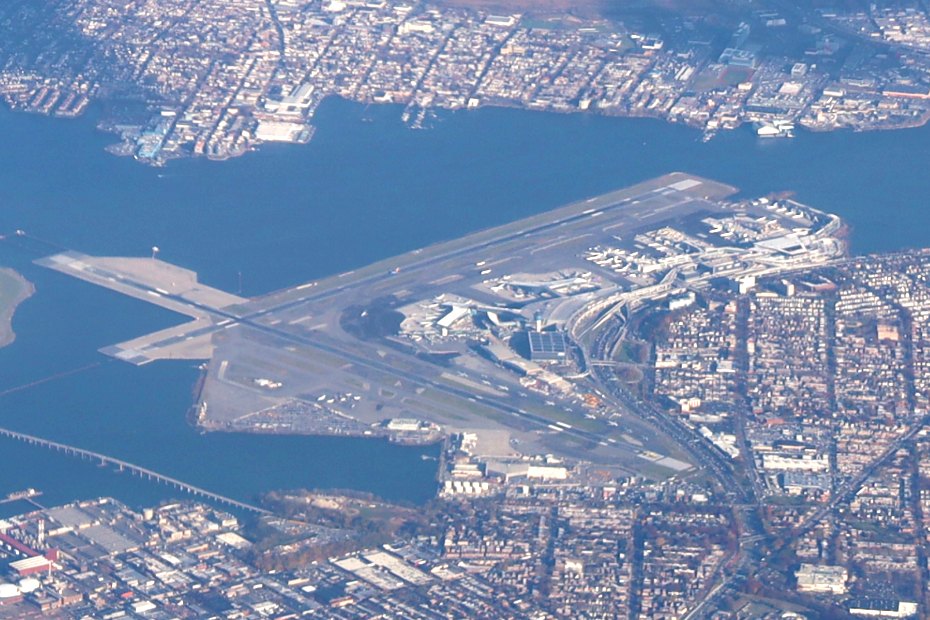
On March 22, 2026, a landing Air Canada Express aircraft collided with a fire‑truck on the runway at New York’s LaGuardia Airport. The crash involved a Bombardier CRJ900LR regional jet and resulted in the deaths of both pilots and injuries to 41 other individuals.
The aircraft, operated under the Air Canada Express banner, is a stretched variant of the CRJ700 series. The CRJ700 line, launched in 1997, first flew on May 27, 1999, and the CRJ900 model was later introduced to provide greater passenger capacity. The CRJ program originated in 1994 under the CRJ‑X initiative, which sought to expand upon the earlier CRJ100 and CRJ200 designs.
Although Mitsubishi Aircraft Corporation acquired the CRJ program from Bombardier in 2020 and subsequently halted production, many CRJ900LR jets—like the one involved in the LaGuardia incident—remain active in airline fleets worldwide. Investigators are now focusing on the sequence of events that led to the runway collision.
Key points of inquiry include the coordination between air‑traffic control, airport ground crews, and the flight crew during the aircraft’s approach and landing. Determining whether communication lapses or procedural shortcomings contributed to the mishap will be essential for formulating corrective actions. The tragedy has reignited discussion about aviation safety protocols at busy metropolitan airports.
Ensuring that ground vehicles and aircraft operate with clear, synchronized guidance is a fundamental component of protecting both passengers and airport personnel. Beyond immediate safety concerns, the accident underscores the broader challenge of integrating efficient, environmentally conscious technologies into aviation.
While the CRJ900LR is an older model, its continued use illustrates the industry’s reliance on existing fleets as it works toward greener, more energy‑efficient solutions. Stakeholders emphasize that advancing renewable energy sources and reducing operational waste are critical to achieving a sustainable future for air travel. Regulatory agencies, airlines, and airport operators are expected to review existing procedures in the wake of the LaGuardia collision.
Recommendations may include enhanced runway monitoring, stricter vehicle‑clearance protocols, and upgraded communication systems to prevent similar incidents. The loss of the two pilots and the injuries sustained by dozens of others serve as a stark reminder of the importance of rigorous safety standards.
As the investigation proceeds, the aviation community will be watching closely for findings that could shape policy and operational changes across the sector. While the immediate focus remains on rescue efforts, medical care for the injured, and support for the families of the deceased, the incident also highlights the need for continued investment in both safety infrastructure and sustainable aviation technology. By addressing the root causes of the LaGuardia crash and promoting environmentally responsible practices, the industry aims to honor those affected and improve the resilience of air travel for the future.




