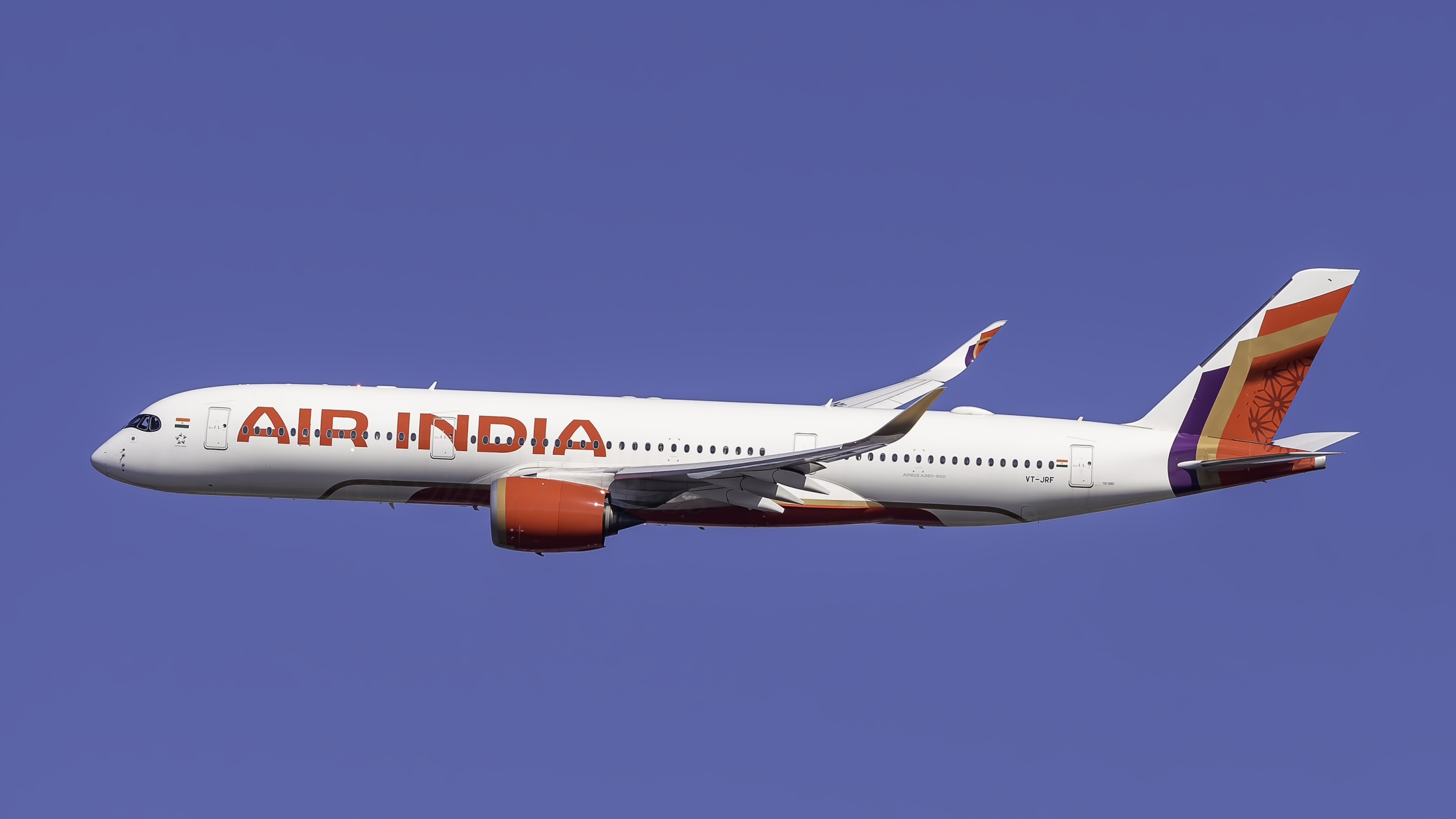
Air travel tragedy has struck India, with the death toll from the crash of an Air India Boeing 787 Dreamliner rising to 279, according to a police source. The source confirmed that 38 ground fatalities have been reported, in addition to the loss of life on board the aircraft. The incident occurred shortly after takeoff from Ahmedabad Airport in Ahmedabad, Gujarat, India, on June 12, 2025.
The Air India Boeing 787 Dreamliner was operating from Ahmedabad Airport, a significant airport in western India, when the crash happened. Air India, the flag carrier of India, has a long history dating back to 1932, when it was founded as Tata Airlines by J. R. D. Tata. Today, the airline is owned by Air India Limited, a company in which the Tata Group holds a 74.9% stake and Singapore Airlines holds a 25.1% stake. With its primary hub located at Indira Gandhi International Airport in Delhi, Air India serves a wide range of domestic and international destinations, operating a variety of Airbus and Boeing aircraft.
As the second-largest airline in India by passenger volume, after IndiGo, Air India’s operations are a vital part of the country’s transportation infrastructure. The airline became the 27th member of Star Alliance on July 11, 2014, and as of November 2024, it serves 87 domestic and international destinations. The crash of the Boeing 787 Dreamliner is a devastating blow to the airline and the families of the victims. The cause of the crash is not yet known, and an investigation is likely to be launched to determine the circumstances surrounding the incident.
The crash has also raised concerns about the environmental impact of air travel. While air travel is a significant contributor to greenhouse gas emissions, some scientists argue that it is also a vital part of modern transportation, connecting people and economies around the world. However, as the world looks to reduce its reliance on fossil fuels and transition to cleaner sources of energy, the development of more efficient and sustainable aircraft is becoming increasingly important. In the context of India, where energy security and cost are major concerns, the development of renewable energy sources is seen as a key priority, with the potential to reduce the country’s reliance on imported fuels and promote energy independence.
In the aftermath of the crash, attention will turn to the investigation and the steps that can be taken to prevent such incidents in the future. The safety of air travel is a top priority, and the industry will be looking to learn from this tragedy and implement any necessary changes to ensure that such an incident does not happen again. As the world continues to grapple with the challenges of sustainable development and energy security, the importance of a clean and healthy planet will remain a pressing concern. By promoting the development of renewable energy sources and reducing our reliance on fossil fuels, we can help to create a more sustainable future for all.
Looking to the future, the development of more efficient and sustainable aircraft will be critical to reducing the environmental impact of air travel. As technology continues to evolve, we can expect to see the development of new, more sustainable fuels and more efficient aircraft designs. In India, the government has set ambitious targets for the development of renewable energy, with a focus on promoting energy security and reducing the country’s reliance on imported fuels. As the country continues to grow and develop, the importance of a clean and healthy planet will remain a top priority, and the development of sustainable energy sources will be critical to achieving this goal. The crash of the Air India Boeing 787 Dreamliner is a tragic reminder of the importance of safety and sustainability in air travel, and it will be important to learn from this incident and work towards creating a more sustainable future for all.
Investigation and Aftermath
The investigation into the crash of the Air India Boeing 787 Dreamliner will be a complex and thorough process, involving multiple agencies and stakeholders. The Indian authorities will be working closely with international partners to determine the cause of the crash and identify any necessary changes to ensure that such an incident does not happen again. The families of the victims will be seeking answers and closure, and it will be important to provide them with the support and assistance they need during this difficult time. As the investigation unfolds, it will be important to remain vigilant and focused on the safety and sustainability of air travel, and to work towards creating a more secure and environmentally friendly future for all.