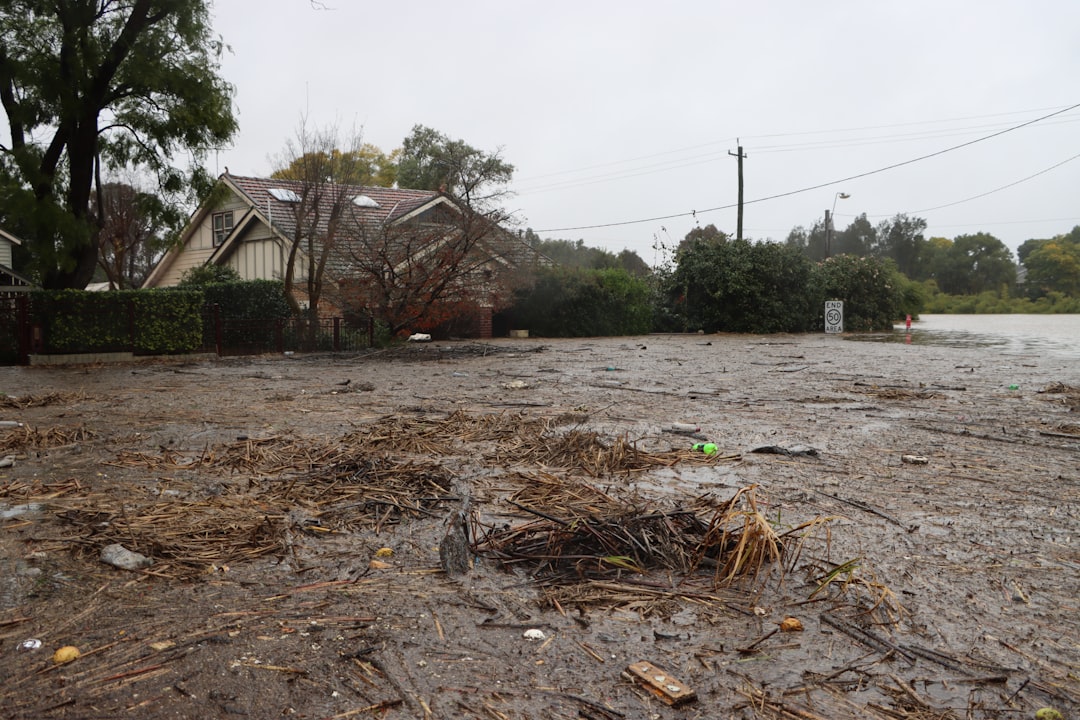
Four schoolchildren are dead. That fact cuts through the storm debris in South Africa’s Eastern Cape, where the death toll has reached 49 and keeps rising. A powerful winter storm—heavy rain, heavy snow—hit a province built on rugged terrain and already brittle infrastructure. The result was not a surprise. It was a predictable collision of weather and weakness.
The Eastern Cape floods did not come out of nowhere. This is a region that has always been vulnerable. Its geography funnels water into low-lying settlements. Its roads are thin, its bridges old, its homes often built with whatever materials are available. When the storm arrived, bringing both rainfall and snowfall, the ground could not absorb it. Water rose. It took people. It took children walking to school.
That last detail matters. Four schoolchildren. The storm did not discriminate by age, but the loss of young lives changes the character of the disaster. It shifts the conversation from property damage to human failure. Why were children on roads that could not hold? Why were schools in flood zones? These are not new questions. They get asked after every flood in every poor province on the continent. Answers rarely arrive before the next storm.
Rescue operations are underway. Teams are pulling people out of flooded areas, trying to reach those cut off by washed-out roads and collapsed bridges. The government has pledged assistance. Emergency services are working. The international community is being urged to send aid. All of this is standard. All of it is necessary. But none of it addresses the underlying pattern.
Essential services are disrupted. Clean water is scarce. Electricity is out in large areas. The storm did not just kill people; it stopped daily life cold. For how long? That depends on how fast roads can be rebuilt, how quickly power lines can be restrung, how soon water trucks can reach isolated communities. In the Eastern Cape, these things take time. They always take time.
Some scientists see a broader force at work. Extreme weather events, they argue, are becoming more common. This storm fits that pattern. Heavy winter storms with double loads of rain and snow are not unprecedented, but they are arriving with greater frequency. The Eastern Cape is on the front line of that shift. Its people did not cause the change in global weather systems. They are paying the price for it anyway.
Environmental concerns are being raised. The Eastern Cape hosts a wide range of plant and animal life. Flooding on this scale does not just wash away human homes; it scours riverbanks, drowns habitats, and pushes species into unfamiliar terrain. The long-term ecological damage may take years to measure. By then, the news cycle will have moved on. The floods will be a footnote, a statistic, a past event.
The immediate focus is on aid. That is correct. People need food. People need shelter. People need to know whether their relatives are alive or dead. But the storm also exposed something structural. A province with poor infrastructure, limited resources, and a growing population is sitting in the path of increasingly violent weather. The next storm will come. The question is whether anything will have changed by then.
The government has pledged help. That is a promise made in crisis. Whether it holds after the water recedes is another matter. Relief operations are expensive. Rebuilding is more expensive. And the Eastern Cape, like many regions in South Africa, operates on a tight budget. The international community is being asked to step in. Some countries and organizations have already offered resources. That help will arrive. It will not be enough.
Forty-nine dead. Four of them children. Those numbers will rise. The waters have not all receded. Rescue teams have not reached every pocket of stranded survivors. The final count will be higher, and it will land on a province that was already struggling before the rain began to fall.