
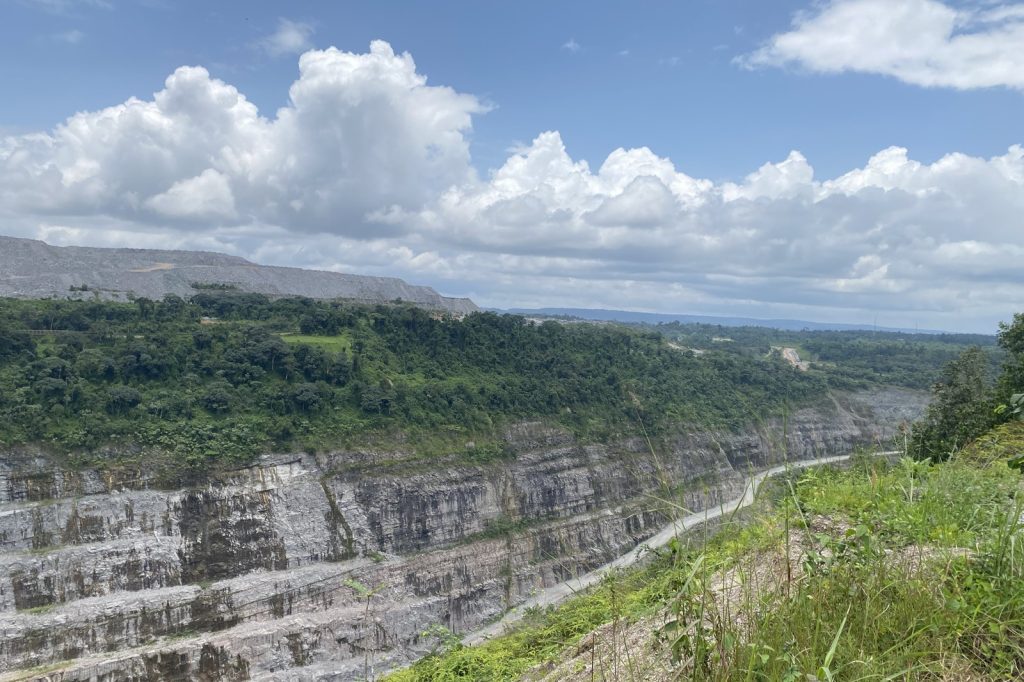
JOHANNESBURG, September 5 — AngloGold Ashanti is weighing the future of its American gold mines. The world’s third-largest gold miner, headquartered here in South Africa, has launched a review of its U.S. operations amid mounting regulatory, operational, and market pressures that have squeezed margins and drawn sharp investor scrutiny. The company’s American business has become a drag on a portfolio otherwise anchored by high-producing African assets.
The contrast is stark. AngloGold’s mines in Ghana, Tanzania, and the Democratic Republic of the Congo remain central to its output and identity.
The company traces its roots to the 1998 merger of Anglo American’s gold interests and Ashanti Goldfields of Ghana. Its African footprint has long defined the miner. But the U.S. operations in Nevada and South Carolina—part of a geographic diversification push—have hit permitting delays, rising production costs, and strict environmental compliance requirements.
Stricter state-level mining regulations and community opposition to new projects have compounded the difficulties. Workforce and supply chain disruptions have added further strain.
Fluctuating gold prices have not helped. Margins in America are under pressure at a moment when capital expenditures across the sector are climbing and ore grades are declining. Investors will note the signal management sent.
AngloGold Ashanti has indicated it is reviewing its U.S. operations as part of an ongoing portfolio optimization. The options on the table include asset sales, joint ventures, or stepped-up technology investment to cut costs. No final decisions have been announced.
The company has provided no specific timeline for concluding the review. The restructuring effort predates this latest American challenge.
In recent years, AngloGold has divested non-core assets and sharpened its focus on higher-margin operations. The current review could accelerate that shift, potentially steering the company back toward its African core. The outcome would reshape its global footprint and carry weight across the mining industry, given AngloGold’s standing as a top-tier producer.
Competition is not standing still. Rivals Barrick Gold and Newmont Corporation continue to press their advantage.
For AngloGold, which employs tens of thousands of workers worldwide, resolving the American situation is critical to hitting production targets and defending its market position. The challenges also illuminate broader sector trends. Securing new mining permits in developed countries has grown markedly harder.
The difficulties AngloGold faces in the U.S. exemplify the headwinds gold miners now encounter in jurisdictions with layered regulatory frameworks and active local opposition. What to watch next: whether AngloGold opts to exit, partner, or double down on technology in America—and how quickly. The mining industry is watching closely.
So are shareholders, who have already registered their concerns through the company’s stock performance and quarterly earnings reports. A move back toward Africa would not be a retreat.
For this miner, it would be a return to form.




