For decades, the flashes were just a footnote in astronaut debriefings. Now they are public record, and the conversation around them is shifting.
The document released May 8, 2026, under the PURSUE archive by the U.S. Department of War is an excerpt. It comes from the Apollo 17 Technical Crew Debriefing, dated January 4, 1973. On page 24-4, Lunar Module Pilot Harrison Schmitt describes a persistent visual phenomenon. Light flashes. He saw them continuously during the flight when his eyes were dark-adapted. One he thought was a flash on the lunar surface itself.
This is not new to science. NASA has long attributed the flashes to cosmic rays passing through astronauts’ eyes. The Apollo Light Flash Moving Emulsion Detector experiment — ALFMED — was designed to study the effect. Schmitt described one period during the ALFMED experiment when he wore a blindfold. No visible flashes occurred during that test. But later that night, before he went to sleep, the flashes returned.
The release changes the public frame. What was once a technical detail buried in NASA archives is now a standalone document with a classification number — NASA-UAP-D6. The Department of War’s involvement signals a shift. That department does not typically release Apollo-era astronaut comments. The PURSUE archive, launched to centralize UAP-related records, is the mechanism. The document is available for direct download as a PDF.
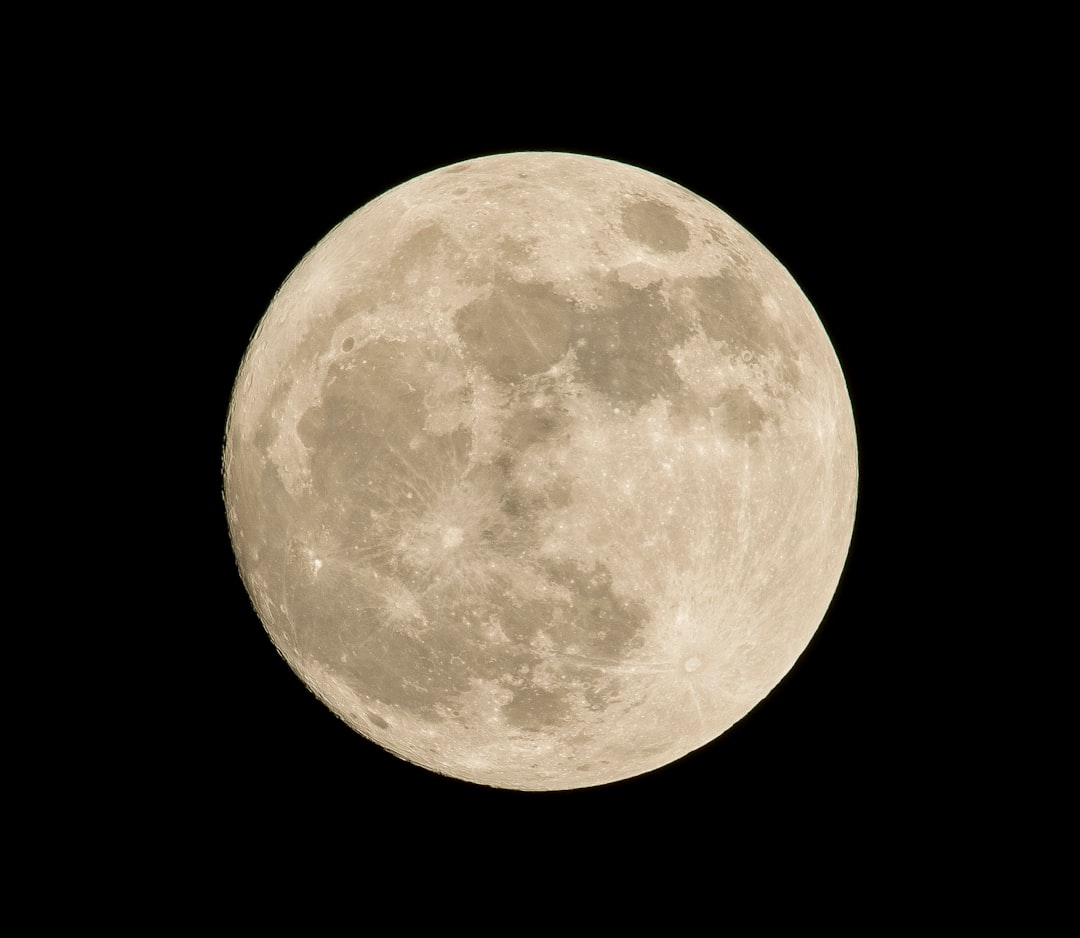
Apollo 17 was the ninth crewed U.S. mission to the Moon. It was the sixth to land. Schmitt was the only professional geologist to walk on the lunar surface. His report of a flash on the ground, not just in the spacecraft, adds a layer. Cosmic rays hit the eye anywhere. But a flash perceived on the lunar surface is a specific location. The debriefing does not explain the difference.
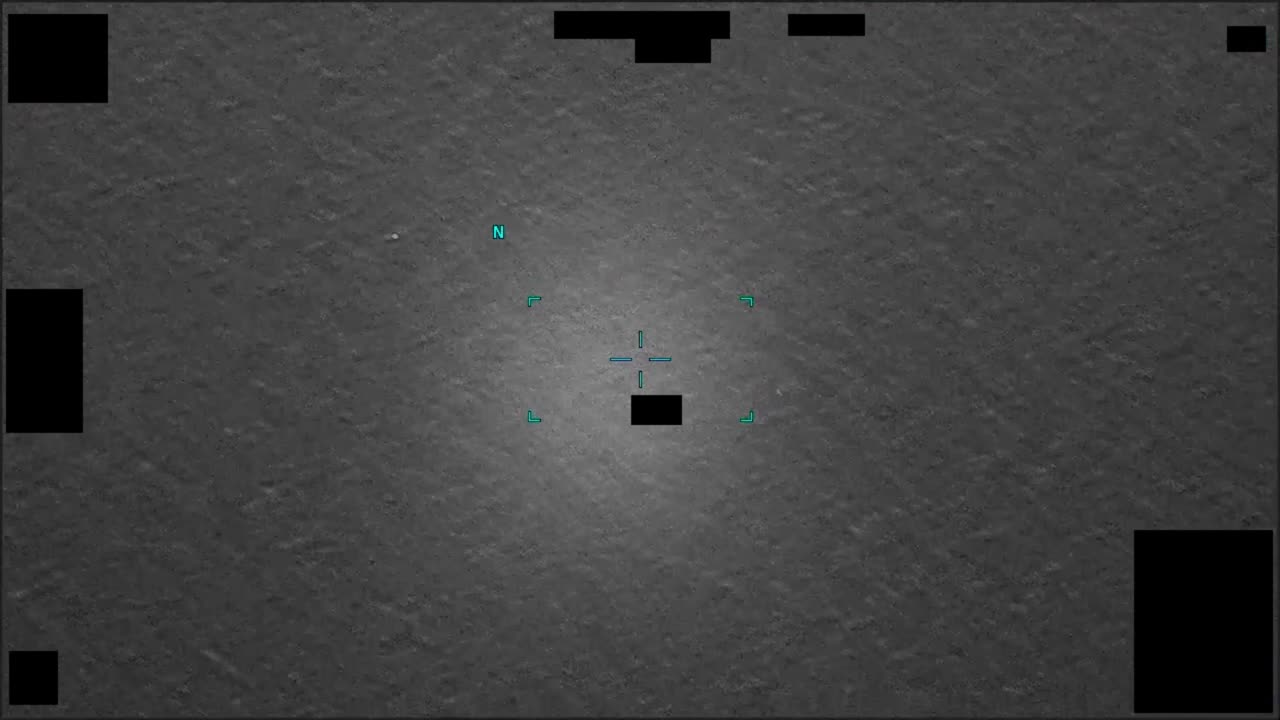
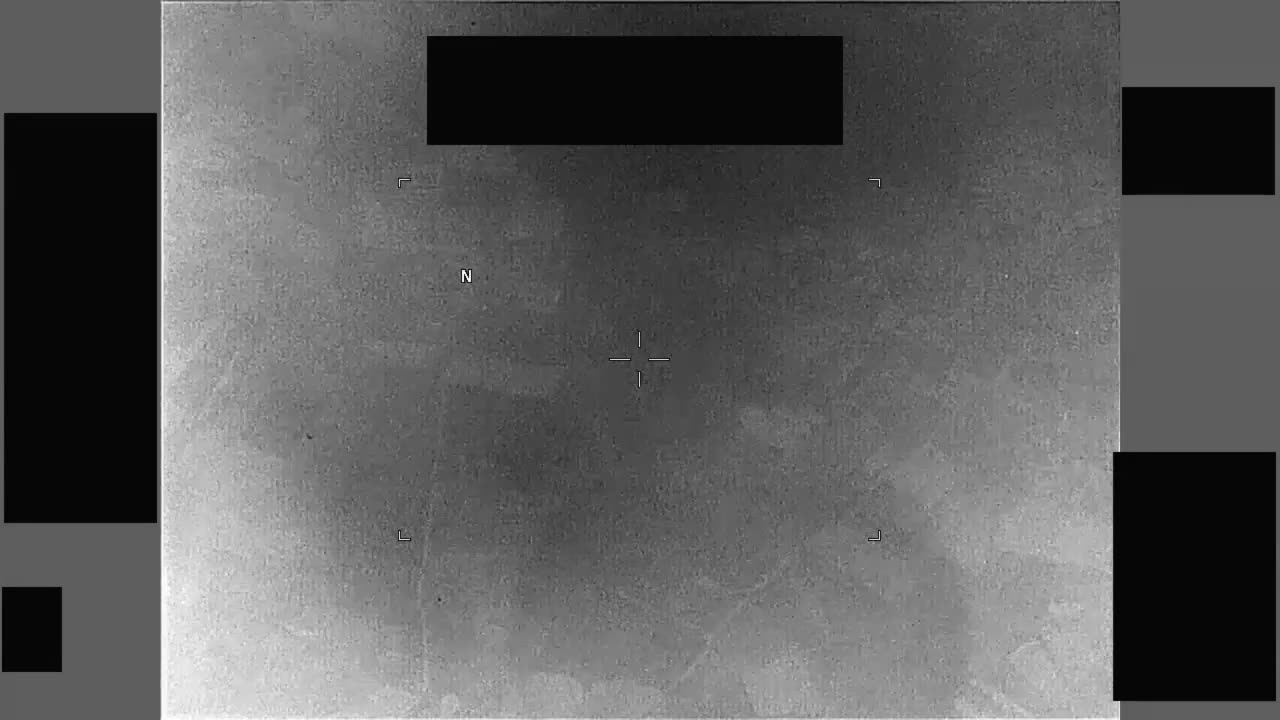
The release lands in a changed environment. Public interest in UAPs — unidentified anomalous phenomena — has grown steadily since the 2017 disclosure of Navy videos. Congress has held hearings. The Department of Defense runs the All-domain Anomaly Resolution Office. The PURSUE archive is a direct response to legislative mandates for transparency. This document is one of many expected to flow from that system.
What to watch next. The debriefing excerpt is short. It does not include the full Apollo 17 crew debriefing. It does not include Commander Eugene Cernan’s statements or Command Module Pilot Ronald Evans’s. The release does not explain why this specific page was chosen. Schmitt’s full statement on page 24-4 is quoted, but the document is an excerpt. The PDF itself may contain more context, but the viewer is unavailable in some browsers. Users must download it.
The effect on current astronauts is unclear. The International Space Station crew reports similar flashes. The phenomenon has never stopped a mission. But the public release of a single astronaut’s detailed account, from a lunar mission, with a UAP classification, gives the topic new weight. Researchers will look for patterns across missions. The PURSUE archive promises more data. This is the first Apollo document released under that system. It will not be the last.
Schmitt’s own words from 1973 are now the foundation of a new public record. The flash he saw on the lunar surface is not explained. The cosmic ray theory covers the rest. Whether that theory satisfies the growing list of questions is not for the document to say. The document simply exists. What happens next depends on who reads it.