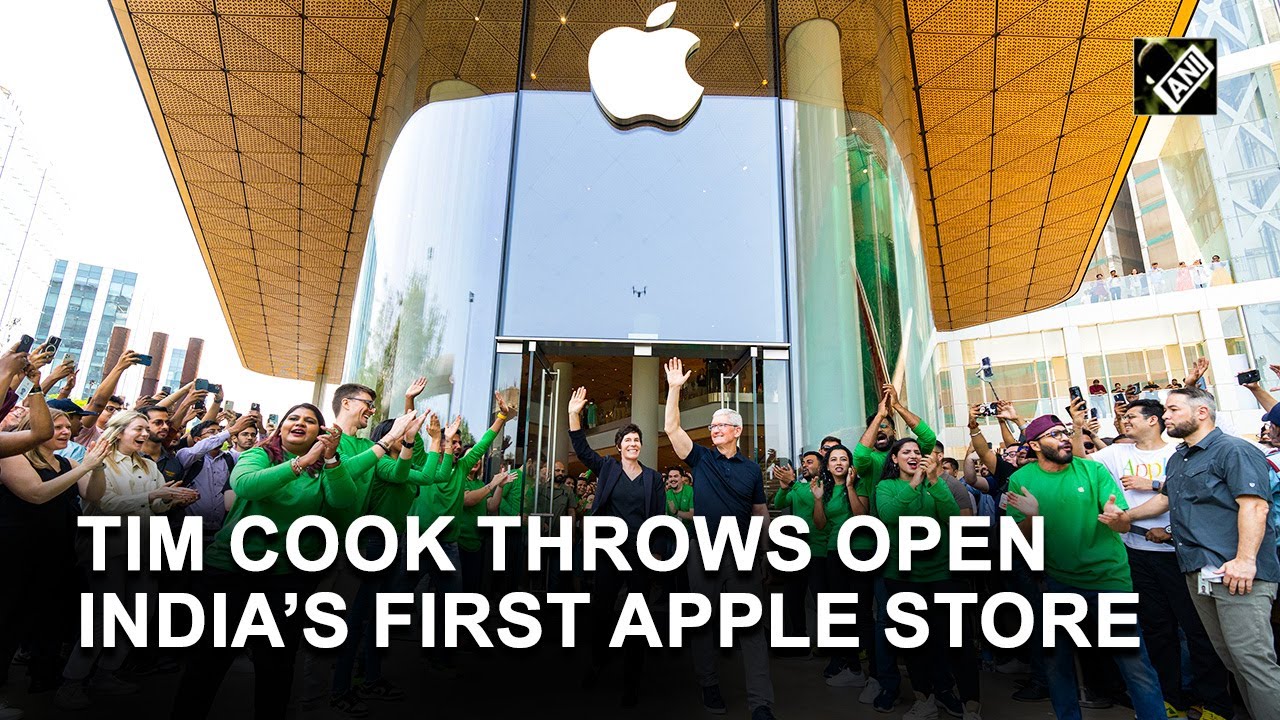
Apple received approval from the Government of India to open its first physical retail store in the country by 2021, CEO Tim Cook announced at the company’s annual shareholders meeting on February 26, 2020. Indian officials granted the tech giant permission to expand without requiring a local partner, ending a decade-long period during which Apple sold its products in India exclusively through third-party sellers, stores, and online marketplaces. The company also plans to launch an online store in India later this year. The move comes as Apple faces slowing demand in China and disruptions from the coronavirus outbreak.
A decade of third-party sales ends
For ten years, Apple could not open its own stores in India due to the country’s retail policy. That policy required foreign single-brand retailers to source 30 percent of their products locally. Apple did not meet that threshold and relied on authorized resellers and e-commerce platforms like Amazon and Flipkart to reach Indian consumers. The new approval waives that local sourcing requirement for a period of three years, according to reports from Indian media.
The change allows Apple to control the customer experience directly. It can now offer its full product lineup, including services like AppleCare and trade-in programs, without intermediaries. “I’m a huge believer in the opportunity in India,” Cook said at the shareholders meeting. “It’s a country with a vibrancy and demographics that are just unparalleled.”
India as a growth market
India is the world’s second largest smartphone market by volume, but Apple holds only a small share. Most Indian consumers buy low-cost Android devices. Apple’s iPhones are priced at a premium, often costing more than the average monthly salary in the country. Still, the company sees long-term potential as incomes rise and the middle class expands.
Cook noted that India’s young population and rapid digital adoption create a favorable environment for Apple’s ecosystem. The company has already started assembling some iPhone models in India through partners like Wistron and Foxconn, reducing import duties and lowering prices. The retail store will allow Apple to show its full product range, including services like Apple Music, iCloud, and the App Store, which generate recurring revenue.
“We are committed to India and see it as a key market for our future growth,” Cook said. The company has not disclosed the exact location of the first store, but analysts expect it to open in a major city like Mumbai or Delhi.
China slowdown and coronavirus impact
Apple’s push into India comes at a time when its business in China is under pressure. The company reported a 15 percent drop in iPhone sales in China during the fourth quarter of 2019, according to data from research firm Counterpoint. Chinese consumers are increasingly choosing local brands like Huawei, Oppo, and Vivo, which offer comparable features at lower prices.
The coronavirus outbreak has worsened Apple’s situation in China. The company closed all its retail stores in the country in late January 2020 and only began reopening them in late February. Manufacturing plants operated by Foxconn and other suppliers in China were shut down or ran at limited capacity for weeks. Apple warned on February 17 that it would not meet its quarterly revenue guidance for the March quarter due to lower global iPhone supply and reduced demand in China.
“The work to reopen our corporate offices and contact centers is proceeding in stages, and we are beginning to reopen our retail stores,” Cook said in a letter to investors. The company’s supply chain remains strained, and analysts expect iPhone production to be disrupted through at least April.
A strategic shift away from China
Apple has long relied on China for both manufacturing and sales. But the coronavirus crisis exposed the risks of that dependence. The company has been quietly diversifying its supply chain for years, moving some production to India, Vietnam, and other countries. The Indian store approval accelerates that strategy.
India offers Apple a large domestic market and a potential export hub. The Indian government has offered incentives for electronics manufacturing, including production-linked subsidies. Apple’s partners in India now assemble several iPhone models, including the iPhone XR and iPhone 11. The company could eventually export devices from India to other markets, reducing its reliance on Chinese factories.
The move also carries political implications. India and China have tense relations, and the Indian government has sought to reduce its economic dependence on Beijing. Apple’s investment in India aligns with that goal. The company is not alone. Other tech firms, including Samsung and Google, have also expanded their presence in India in recent years.
The approval for Apple’s first Indian store marks a milestone for the company and for India’s retail sector. It ends a decade of indirect sales and opens a direct channel to consumers in one of the world’s fastest-growing economies. The store will arrive at a time when Apple is under pressure from slowing sales in China and supply chain disruptions from the coronavirus. But Cook remains optimistic. “We see a very bright future in India,” he said. The company’s ability to execute on that vision will depend on how quickly it can adapt to local tastes, pricing, and competition.