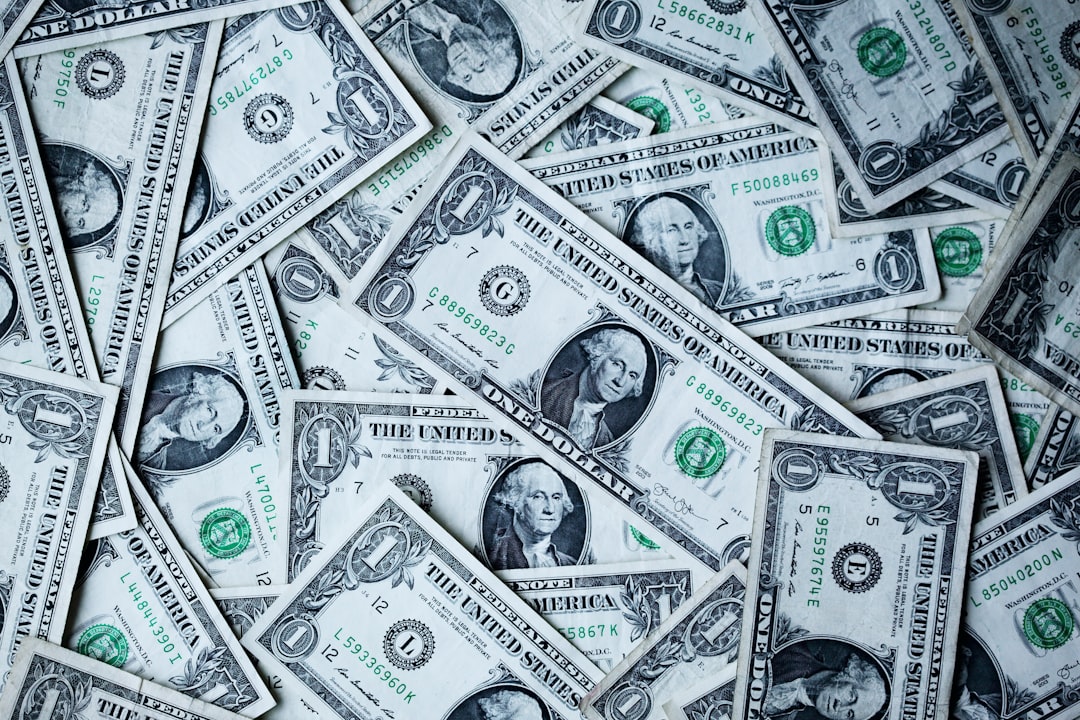
When a fake Facebook account started posting images of Philippine banknotes that didn’t match the real thing, the Bangko Sentral ng Pilipinas moved fast. It reported the page to Facebook on January 23, 2020, and asked for it to be taken down. The account used the name “Bangko Sentral ng Pilipinas,” a direct impersonation of the country’s central bank.
To anyone who has handled Philippine currency, the posted images were clearly wrong. The bank said the designs were “inconsistent with the features of genuine Philippine banknotes.” That is a polite way of saying the fakes were obvious. But the danger was not the quality of the forgery. It was the platform.
Social media gives scams reach. A fake bank page can circulate false information to thousands of people before the real bank even knows it exists. The Bangko Sentral ng Pilipinas has been here before. Just thirteen days earlier, on January 10, 2020, it warned the public about a fake Instagram account. That one went by “bangko_sentral_lottery” and carried the bank’s logo. It was a scam. The bank told people not to share information or transact through it.
Two fake accounts in two weeks. That is not a coincidence. It is a pattern. The bank is now fighting on two fronts: protecting the integrity of the national currency and protecting its own digital identity.
The central bank does have verified accounts. Its real Facebook page is https://www.facebook.com/BangkoSentralngPilipinas/. Its real Instagram is https://www.instagram.com/bangkosentral/. Its real Twitter handle is @BangkoSentral. Those are the only places where the public should look for official announcements. Governor Benjamin Diokno said the bank is committed to protecting the public, but he did not offer a solution to the broader problem of impersonation.
That problem is not going away. Facebook has millions of pages. Instagram has millions of accounts. The bank can report fakes one by one, but new ones can appear the same day. The takedown process takes time. In that window, damage can be done.
The real risk here is not that someone will mistake a bad Photoshop job for a real banknote. The risk is that people will start to doubt everything they see online, including legitimate information from the central bank. When fakes circulate freely, the real thing gets buried. Trust erodes.
The Bangko Sentral ng Pilipinas is doing what it can. It issued a warning. It reported the accounts. It pointed people to the correct links. But this is a reactive strategy. The bank is chasing down fakes after they appear. It has not said whether it has a proactive system for spotting impersonator accounts before they spread.
For now, the burden falls on the public. The bank’s advice is simple: follow only the verified accounts. Do not engage with pages that look off. Do not share information from unverified sources. That is good advice, but it assumes a level of digital literacy that not everyone has.
The fake banknote designs are gone, or at least they should be if Facebook acted on the bank’s request. But the next fake is probably already out there. The bank knows it. The public should too.