
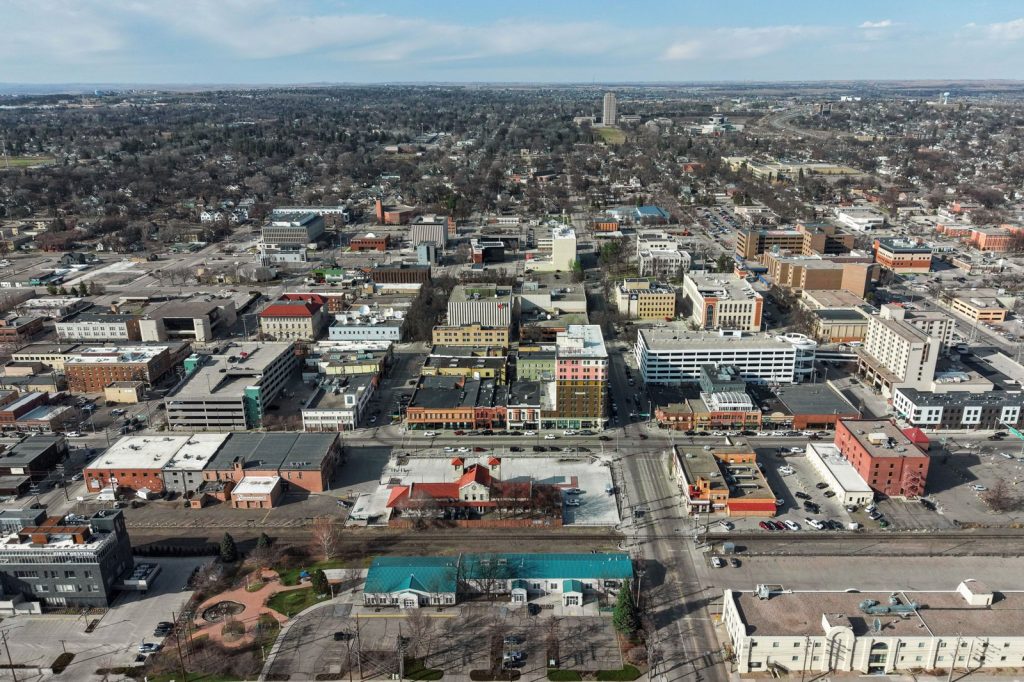
BISMARCK, September 13 — The story begins with a number that ought to have changed everything: single-family building permits in Bismarck skyrocketed 137% this June compared to the previous year, with contractors submitting more than 150 permits in an effort to replenish depleted housing inventory. It didn’t work. The average sale price for a single-family home in Bismarck recently climbed past $484,000 — up $18,000 from last year.
First-time buyers are now staring at near half-million-dollar price tags and fierce competition for the few entry-level homes that reach the market.
Why Sellers Are Staying Put
Realtors attribute the persistent scarcity of existing homes to mortgage rates locked in during the COVID-19 pandemic. Dot Frank, a real estate agent with Better Homes and Gardens Real Estate, explained that shortly after the pandemic, rates dropped significantly to where a house could be financed for under 3%. “While we have people who are aging into homeownership, we have far fewer people who are putting their house on the market,” Frank said.
“When it comes time to sell, naturally, they’re going to have to refinance. The rate could be twice as high.
So, no one wants to spend more money on a house and more money to finance the house, so people are tending to stay put a lot longer than they have in the past.”
New Builds Fill a Gap, But Not the Price Gap
New construction has helped fill the void left by unlisted existing homes. But high labor and material costs keep prices elevated, meaning the surge in permits has not translated into relief at the closing table. Sellers, meanwhile, are navigating unusual pressures in the fast-moving market.
“While sellers want their house to sell relatively quickly, if it sells too fast, then they start to worry that they have the house priced too low,” Frank said. Realtors advise prospective buyers in the Bismarck-Mandan area to be pre-approved and prepared to submit offers immediately once they find a property, as inventory remains exceptionally tight.
For those involved, the squeeze is structural rather than seasonal. What to watch next is whether the permit surge eventually cools prices — or whether locked-in rates keep enough existing homes off the market to hold them where they are.




