When the dry season sets in across eastern Bolivia, fire comes with it. That much is predictable. What is not predictable is where the flames catch first, how fast they spread, or what gets lost before they are put out.
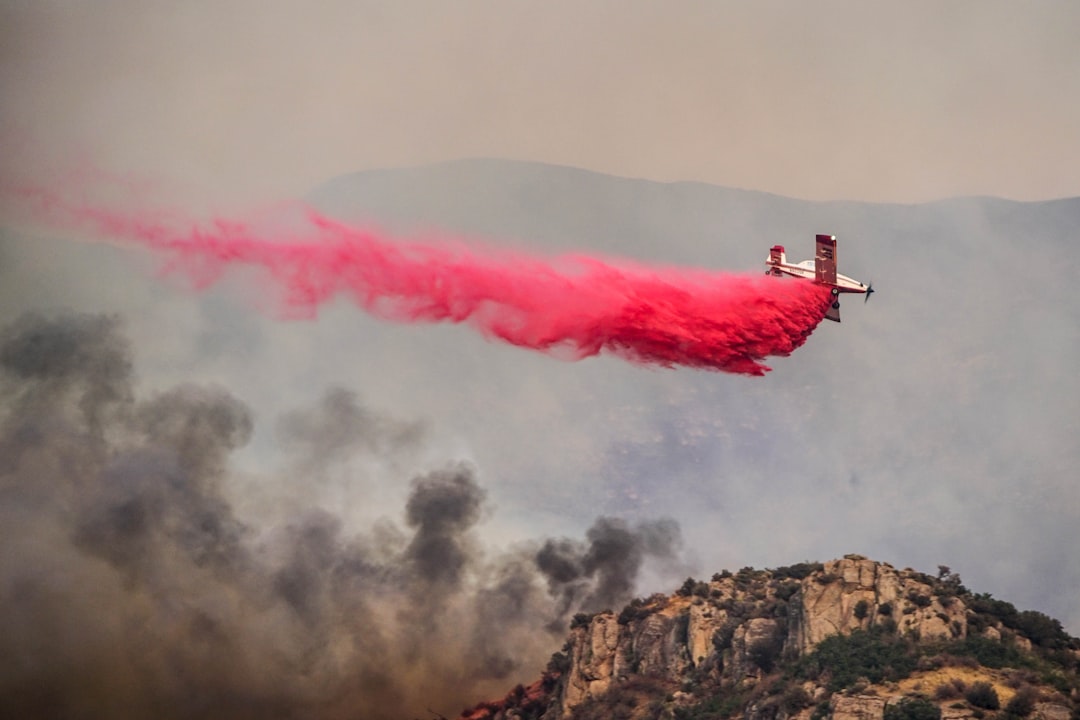
Between July 8 and July 10, the fires broke out in two distinct ecosystems: the Llanos de Chiquitos savanna and the Bolivian Amazon rainforest. The departments of Beni and Santa Cruz are taking the worst of it. Multiple outbreaks have been reported in both areas. The Bolivian government has not said what started them.
These are not the same kind of fire. Savanna burns differently than rainforest. The Llanos de Chiquitos is a vast grassland with scattered trees. Fire moves through it fast, low to the ground. Animals can often outrun it. The Amazon is another story. Dense canopy, deep leaf litter, high humidity — normally it does not burn easily. But when it does, the fire climbs. It kills trees that have stood for centuries. It opens the canopy to sun and wind, drying out everything below and making the next fire worse.
Beni and Santa Cruz are not just any departments. They hold some of the most biologically rich land in the country. The Bolivian Amazon alone contains plant and animal species found nowhere else. Indigenous communities live there. They depend on the forest for food, medicine, water. When the forest burns, their way of life burns with it.
No one yet knows the full extent of the damage. That will take weeks, maybe months. Satellite images will be compared. Ground teams will walk the scorched areas. The number of hectares lost will eventually be tallied. But numbers do not capture everything. A species that disappears in a fire does not come back because a report says it was lost.
Conservation efforts are underway. That is what the reports say. But conservation in the middle of a fire is a hard thing. The priority is containment. Stop the flames from spreading. Protect what can still be saved. After that comes the assessment, then the debate over prevention.
The dry season is not over. Fires that started in early July could smolder for weeks if conditions hold. The region is prone to wildfires this time of year. Dry grass, low humidity, wind — the ingredients are all there. A spark, whether from lightning, a farmer clearing land, or something else, is all it takes.
Local communities are working to protect their lands. They know the terrain. They know where the water is, where the firebreaks should go. They have been living with fire for generations. But this year is different. The outbreaks are multiple. The resources to fight them are stretched. The government has not released a statement on the cause, and without that, it is hard to say what exactly needs to change.
The fires in Bolivia are not a single event. They are a pattern repeating. Each dry season brings the same risk. Each year, some part of the Llanos or the Amazon burns. The question is whether this year will be the one that finally forces a real response.