
BEIJING, July 7 — The story of China’s industrial overcapacity begins not in a factory, but in a policy blueprint. At its heart is a question of balance: between what a nation can produce and what the world can absorb. For those involved — from steelworkers in Hebei to solar panel manufacturers in Jiangsu, from European trade officials to American commerce secretaries — the stakes are enormous.
The mechanisms behind this overcapacity are deeply embedded in China’s economic model. State subsidies, cheap credit from state-owned banks, and government-directed production targets have created a system where output often exceeds demand.
The International Monetary Fund’s data tells a stark part of the story: China’s industrial capacity utilization fell to 74.3% in 2023, below the global average of 80%. That gap — nearly six percentage points — represents factories running below their potential, goods piling up in warehouses, and pressure to sell abroad at any price. The Chinese government’s ‘Made in China 2025’ plan, announced in 2015, set the direction.
It aims to dominate high-tech industries. But the strategy has created ripple effects across multiple sectors.
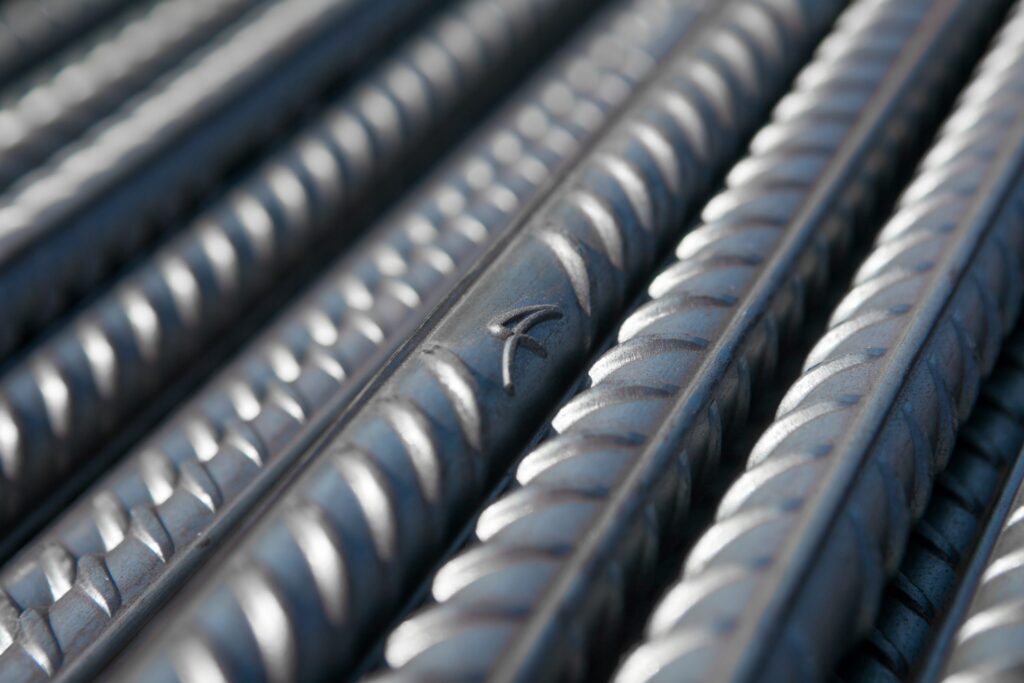
Nowhere is this more visible than in steel. According to the World Steel Association, China produced 1.01 billion metric tons of steel in 2023, accounting for 54% of global output. More than half of the world’s steel comes from one country.
For competitors in Europe, the United States, and elsewhere, that volume has triggered defensive measures. The European Union has imposed anti-dumping duties on Chinese steel products since 2016, attempting to protect its own manufacturers from what it sees as unfairly priced imports. The U.S. Department of Commerce has also levied tariffs on Chinese aluminum and solar panels.
These are not abstract trade disputes; they are responses to a flood of goods that, critics argue, benefit from state support that distorts global markets. For the Chinese workers and factory owners involved, the picture is more complicated.
The subsidies and cheap credit that drive overcapacity also sustain employment and industrial growth. But the system creates its own pressures: when production targets are set from above, and banks are instructed to lend, the result is a machine that keeps running even when demand falters. The data from the IMF, the World Steel Association, and the European Commission’s trade statistics all point to the same underlying reality.
China’s industrial overcapacity is not a temporary blip. It is a structural feature of an economy where the state plays a central role in directing production, financing expansion, and setting goals that reach far beyond domestic markets.
What unfolded over the past decade was a deliberate strategy. The question now — for Beijing, for trading partners, and for the global economy — is how to manage the consequences. With capacity utilization still below global norms and production continuing at massive scale, the pressure on international markets shows no sign of easing.
The story of overcapacity is far from over.




