
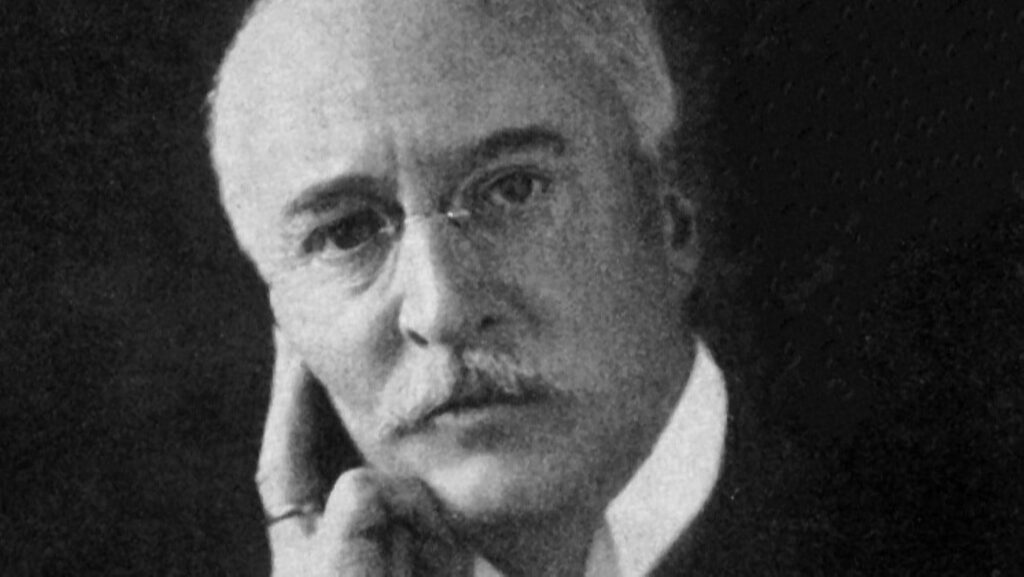
The low rumble of heavy engines echoes through the factory floor of what was once a small machine shop, a sound that traces its lineage back to a German inventor and the American mechanic who made his vision practical. Rudolf Diesel patented his internal combustion engine in 1892, but after his death in 1913, the technology languished as a laboratory curiosity.
It took an Indiana entrepreneur, Clessie Cummins, to adapt Diesel’s design for the rough demands of American trucks, buses, and trains. Cummins founded the Cummins Engine Company here in his hometown in 1919, driven by a singular focus on reliability. The transition from experiment to commerce was not immediate, but the result is now felt daily as diesel power moves much of the freight and passenger transport that keeps the nation running.
The German Inventor and the American Opportunity
Rudolf Diesel was a German mechanical engineer born in Paris to Bavarian immigrant parents. After his family was displaced by war, he trained in Germany, studying at technical schools in Augsburg and Munich under an established engineering professor.
There he developed the engine that bears his name, a design that burned a heavier fuel than gasoline. When Diesel died in 1913, his invention remained largely a curiosity, unable to find practical commercial application in its original form. Yet American entrepreneurs had already taken notice.
Adolphus Busch, co-founder of Anheuser-Busch, acquired the American rights to the diesel engine in 1898 and formed the Diesel Motor Company of America. Busch died in 1913, the same year as Diesel, but his business maneuver laid the groundwork for what would follow.
That follow-through came from Clessie Cummins, an American mechanic and entrepreneur who saw potential where others saw only a laboratory experiment. He founded the Cummins Engine Company in Columbus, Indiana, in 1919. Cummins did not merely build engines; he made them reliable, adapting Diesel’s original design for the rough-and-tumble of American commerce.
Mechanics and engineers on the factory floor today describe his singular focus on proving that diesel power could endure the long hauls and heavy loads of the nation’s highways and railways.
From Speed Record to Mainstay
The breakthrough moment arrived in 1933 at the Indianapolis 500. Cummins set a speed record with a diesel-powered car.
By nightfall, the perception that diesel meant slow and smoky was shattered. The engine was fast, efficient, and ready for the open road. That single event proved the technology’s road worthiness and accelerated its adoption. Today, the company that started in a small Indiana machine shop powers everything from long-haul trucks to locomotives.
At Cummins headquarters, the atmosphere is one of quiet pride. The shift from laboratory curiosity to commercial success is complete.
The significance of this transition extends far beyond one company or one town. Diesel power now moves a substantial portion of the freight and passenger transport that underpins daily American life. Readers encounter the result every day in trucks, buses, and trains — all shaped by decisions made by early adapters of Diesel’s work, including Adolphus Busch and Clessie Cummins.
What began as a German patent and then a set of American licensing rights has become an indispensable part of the modern economy. The ghost of Clessie Cummins, the man who took Rudolf Diesel’s invention and put it on American roads, remains present in the hum of engines that keep the country moving.




