
BEIJING, July 8 — The technical reality of de-dollarization is that it remains more of a slow drift than a rupture, despite a decade of geopolitical shocks that might have been expected to accelerate it. Under the hood, the dollar’s share of global foreign exchange reserves has declined from 71% in 1999 to about 58% in 2022, but the detail that matters is that this decline is gradual and largely attributable to the introduction of the euro rather than any coordinated move against the greenback.
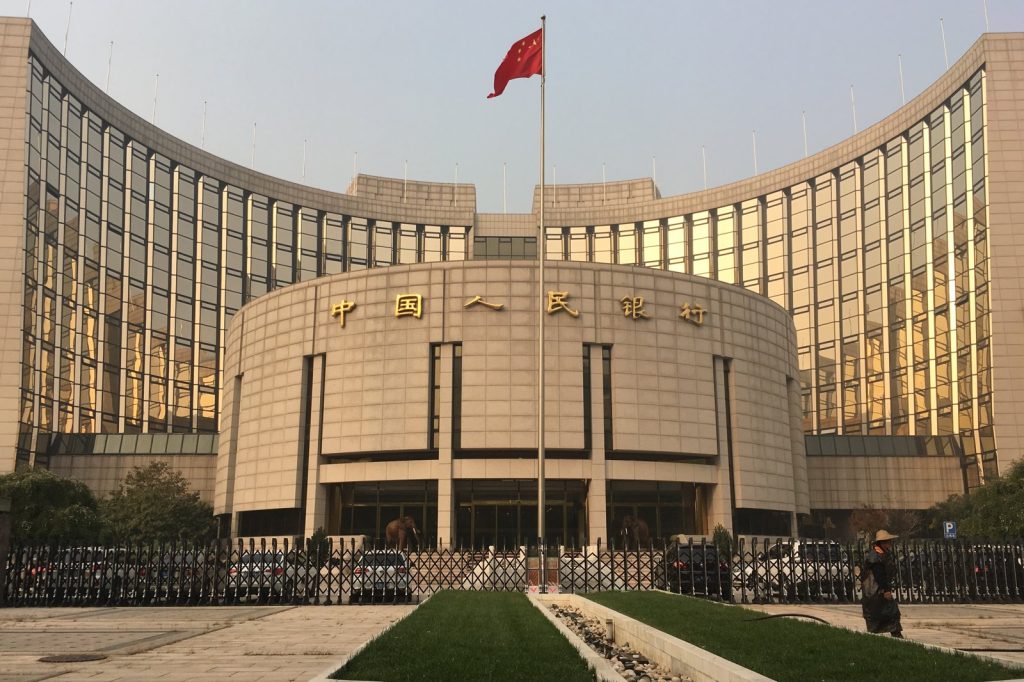
China has been the most systematic player in the de-dollarization space, promoting the internationalization of the renminbi. The currency became a special drawing rights (SDR) basket currency in October 2016, a technical milestone that gave it institutional credibility within the International Monetary Fund’s framework.
As of 2023, however, the renminbi accounts for 2.69% of global reserves — still far behind the dollar. The gap is not narrowing quickly, and as ever, the numbers tell the story of a currency that has yet to achieve the liquidity, convertibility, or trust that the dollar commands.
Sanctions as a Catalyst
Russia’s experience offers the clearest case study of forced de-dollarization. After sanctions in 2014 and again in 2022, Moscow increased its use of the renminbi and gold for trade settlement. The shift was reactive rather than strategic — a response to being cut off from dollar-denominated systems — and it has not translated into a broader template that other nations are eager to follow.
The technical reality is that Russia’s move was a survival mechanism, not a blueprint. Brazil and Argentina discussed using a common currency for trade in 2023, but no concrete steps have been taken.
The discussion remains at the level of political signaling rather than operational reality. The detail that matters here is that even among nations with a shared interest in reducing dollar dependence, the institutional and technical hurdles to creating an alternative settlement currency are substantial.
The BRICS Dynamic
The BRICS nations — Brazil, Russia, India, China, and South Africa — have discussed alternatives to the dollar, but internal disagreements limit progress. The group’s members have divergent economic structures, geopolitical alignments, and currency priorities. India, for instance, has shown little enthusiasm for the renminbi as a reserve currency, while Brazil and South Africa are more focused on trade facilitation than reserve diversification.
As ever, the political will to build a genuine alternative is undermined by the very diversity that gives the bloc its name. No single currency currently poses a near-term threat to the dollar’s dominance.
The euro remains the second-largest reserve currency, but its share has stabilized rather than grown. The renminbi, despite China’s economic heft, is constrained by capital controls, limited convertibility, and the lack of a deep, open bond market. The technical reality is that any currency aspiring to challenge the dollar would need to offer the same combination of liquidity, rule of law, and geopolitical stability that the US financial system provides — and no candidate currently does.
What to watch next is whether the gradual decline in the dollar’s reserve share continues at its current pace, or whether a new shock — perhaps a shift in US fiscal policy or a coordinated move by a group of large economies — could accelerate it. For now, the data suggests a slow, managed adjustment rather than a sudden break.
The detail that matters is that the dollar’s dominance is not crumbling; it is, very slowly, eroding.




