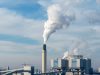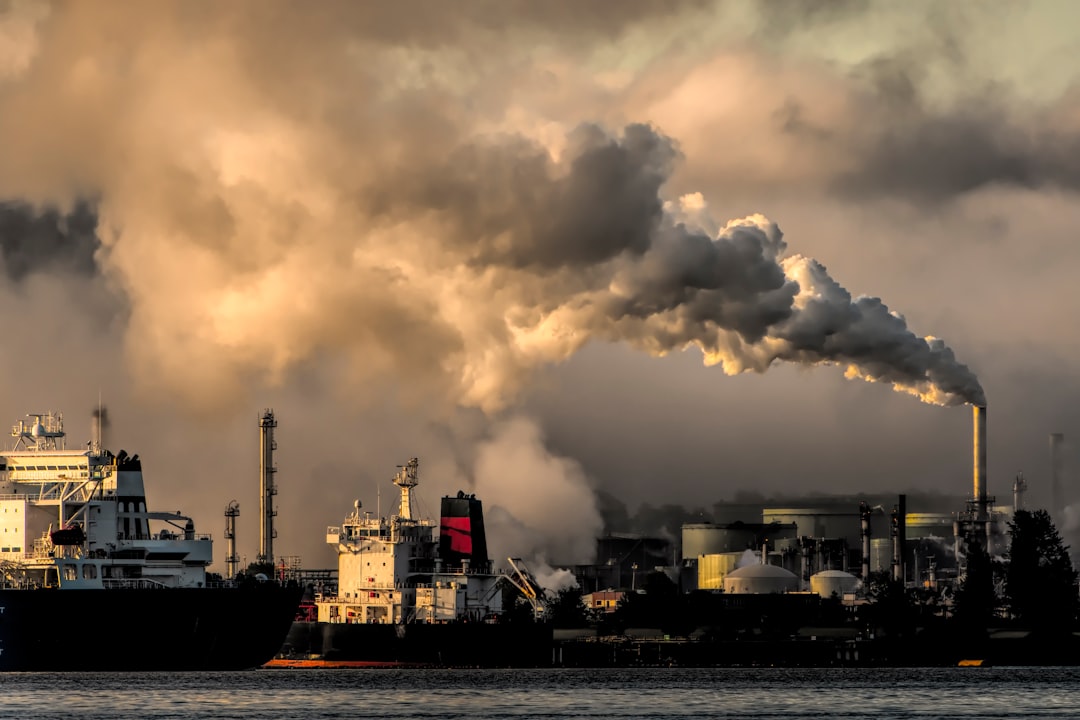
New Delhi residents are now breathing “very poor” air for the 15th straight day. The city’s air quality index has not budged from that hazardous category since the streak began. The smog has grown so thick that visibility dropped to zero meters at times. Commuters drive with headlights on in the middle of the day. Pedestrians walk through a gray haze that stings the eyes and burns the throat.
The air in Delhi has become a public health emergency. The report notes that residents are complaining of respiratory problems and other health issues. Doctors across the city are seeing more patients with breathing difficulties. Children and the elderly are especially vulnerable. The zero-meter visibility smog is not just a nuisance. It is a direct threat to anyone who has to be outside.
Geography works against this city. New Delhi sits in a basin. The topography traps pollution close to the ground. During winter, cold air and calm winds lock the pollutants in place. There is no natural dispersal. The bad air just sits there, day after day, building up. That is why this 15-day stretch of “very poor” air is happening now, in the cold months.
The sources of the pollution are well known. Vehicles are a major factor. Delhi has millions of cars, trucks, and scooters on the road. Industrial activity around the city adds more emissions. The New Delhi Municipal Council faces a daunting task in trying to clean up this mess. It is a recurring problem, not a one-time crisis. Every winter, the same pattern repeats.
The Indian government has taken some steps. Measures to reduce vehicular emissions have been implemented. The government is promoting cleaner fuels. But the report makes clear that more needs to be done. The root causes have not been addressed. The city’s infrastructure, especially public transportation, needs improvement. People rely on personal vehicles because the alternatives are not good enough. Until that changes, the cars will keep coming and the air will keep getting worse.
Industrial polluters are another piece of the puzzle. The report says the government needs to take stricter measures to regulate industrial activities. Polluters must be held accountable. That is not happening at the scale required. Fines and enforcement are weak. Companies find it cheaper to pay the occasional penalty than to install pollution control equipment.
Renewable energy offers a path forward. Solar and wind power can reduce the city’s dependence on fossil fuels. That would cut emissions from power plants and other industrial sources. But the transition is slow. Coal still dominates India’s energy grid. Changing that will take years of investment and political will.
This is not just a local problem. The report calls the pollution crisis a national concern. Delhi’s air affects the entire region. The smog spreads to neighboring states. The health costs are borne by millions of people across northern India. The economic costs are also high. Lost productivity from sick workers. Healthcare spending on pollution-related illnesses. Tourism suffers when the city is shrouded in toxic haze.
For now, Delhi residents are stuck. They wake up to the same bad air every morning. They wear masks that do not fully filter the pollution. They buy air purifiers for their homes. They try to limit time outdoors. But none of that is a solution. The 15th consecutive day of “very poor” air is a milestone no one wanted. And there is no sign the streak will end soon.