
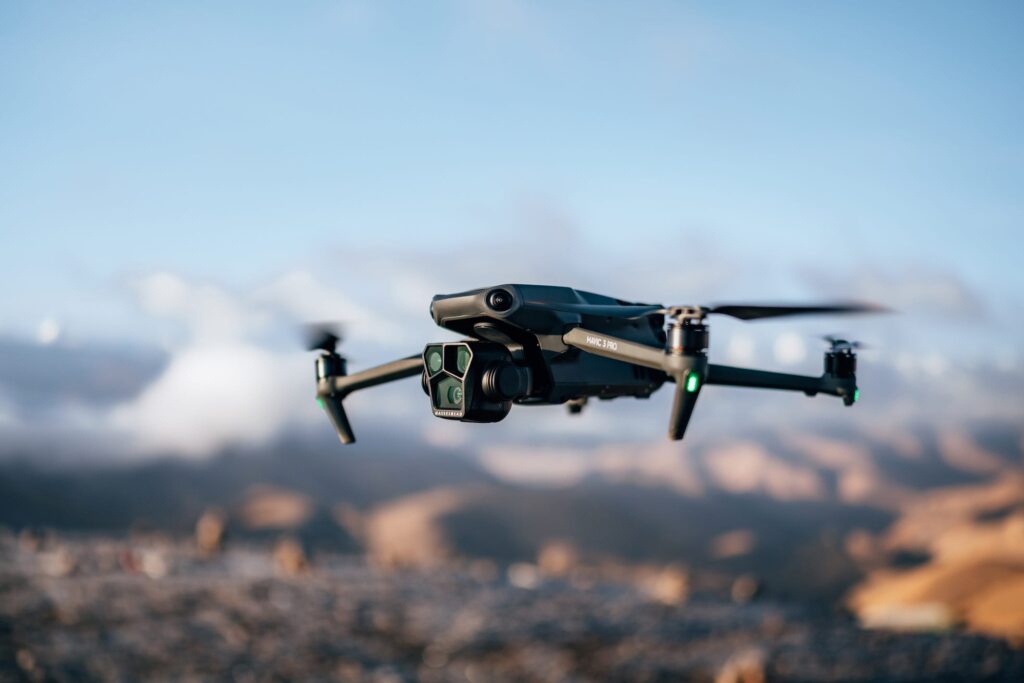
MOSCOW, July 20 — The drone strikes that struck Wildberries’ vast Elektrostal warehouse in the late summer of 2024 did more than ignite fires; they exposed the fragility of Russia’s booming e-commerce sector at a moment when the country’s retail economy was already under pressure from war-related disruptions. Against this backdrop, the attacks on one of the company’s largest distribution hubs became a costly lesson in just how brittle the digital marketplace’s supply chain had become.
Over two separate strikes in August and September 2024, the Elektrostal warehouse — which handled 15 percent of Wildberries’ Moscow region orders — was gutted by fire. An estimated 500,000 items were destroyed, worth 1.5 billion rubles, or roughly $16 million at the time.
The company was forced to suspend order fulfilment across the Moscow and Leningrad regions, disrupting 30 percent of its daily packages — about 1.2 million deliveries. The market reacted swiftly: on September 2, 2024, Wildberries’ share price on the Moscow Exchange fell five percent, dropping from 2,300 to 2,185 rubles per share. The recovery itself was a long haul.
Rebuilding the warehouse was expected to take 12 months, and Wildberries faced additional costs compensating sellers for lost inventory and hiring extra security. The company increased its security budget by 40 percent in the fourth quarter of 2024 alone.
Economic Shockwaves
Analysts at Sberbank CIB calculated the total economic impact across the Russian e-commerce sector at 10 billion rubles — around $108 million. That figure included higher insurance premiums, cascading logistics delays, and the wider disruption to a retail model built on speed and minimal inventory. What is at stake, in the corridors of Russian retail, is the assumption that online commerce can operate with razor-thin buffers.
Consumers in the affected regions felt the consequences immediately: delivery delays of seven to 14 days became the norm, a sharp contrast to the near-instant service that had become standard for millions of Russians. The wider picture, as the attacks made clear, was that Russia’s ‘just-in-time’ retail model — which relies on minimal inventory buffers — was dangerously exposed to even temporary disruptions.
Security and Subsidies
The government response was swift in policy terms, if not in action. The Ministry of Industry and Trade proposed 5 billion rubles in federal subsidies to bolster e-commerce security across the sector. But whether that money has yet reached company balance sheets is another matter; what is clear is that the private sector had already begun to act.
Wildberries’ 40 percent security budget hike in the fourth quarter of 2024 was a direct acknowledgment of a threat that is unlikely to recede. For a journalist covering the region from a European perspective, the episode is a stark reminder that Russia’s economic architecture — especially its digital retail spine — remains acutely vulnerable to asymmetric warfare.
The fires at Elektrostal were a warning, issued long ago, about the price of efficiency without resilience.




