
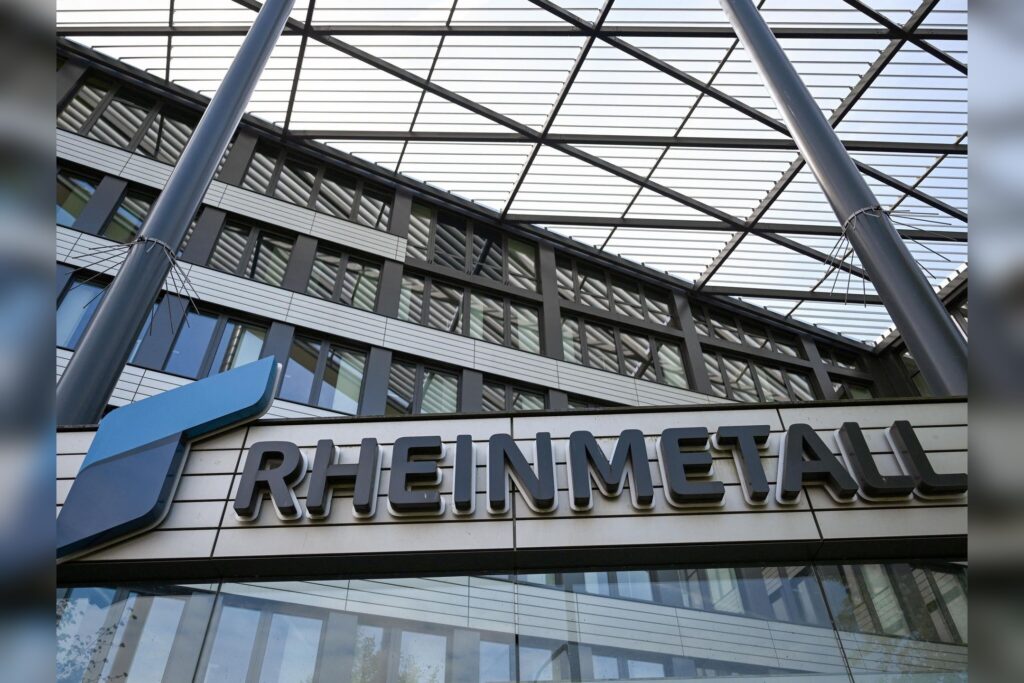
BERLIN, July 12 — The planned delivery of 50,000 strike drones to Ukraine will confront German defense contractors with significant production and logistical hurdles, according to industry officials and government statements.
German firms including Rheinmetall and MBDA have already ramped up manufacturing since 2022 in response to the conflict. However, producing the full batch of 50,000 unmanned systems could take between 12 and 24 months, depending on the specific drone type. Loitering munitions, which require complex electronics and warheads, present particular manufacturing challenges.
Unit costs vary widely. Small FPV drones run approximately $10,000 per unit, while larger systems can exceed $100,000 each. The German government is also exploring options to source drones from allied countries or to co-produce them directly with Ukraine, officials confirmed.
Formalization and Integration
The delivery announcement is expected to be formalized in a new military aid package, possibly during an upcoming meeting of the Ukraine Defense Contact Group, known as the Ramstein format. The drones will be integrated into Ukraine’s existing drone operations, which already conduct hundreds of sorties per day, according to the record.
The scale of the planned transfer underscores the evolving role of unmanned systems in modern warfare. Ukrainian forces have developed extensive drone capabilities since the start of the conflict, and the German-supplied systems are intended to supplement these existing assets.
Strategic Context and Technology Transfer
The long-term impact of the delivery extends beyond immediate military aid. The record shows potential for Ukrainian drone production to be supplemented by German technology transfers, which could help build domestic manufacturing capacity in Ukraine over time.
German defense contractors have faced pressure to increase output across multiple weapons categories since 2022. The drone order adds to existing production demands for artillery shells, armored vehicles, and air defense systems that Western allies have pledged to Kyiv.
The 12-to-24-month timeline reflects both the complexity of manufacturing advanced loitering munitions and the constraints on German industrial capacity. Officials have not specified which drone types will be prioritized or how the delivery schedule will be phased.
The Ramstein-format meeting, if it hosts the formal announcement, would bring together defense ministers from dozens of nations coordinating military support for Ukraine. The format has served as the primary mechanism for pledging and coordinating Western military aid since 2022.
Industry analysts note that the cost differential between small FPV drones and larger systems means the total value of the package will depend heavily on the mix of systems delivered. The German government has not disclosed the overall budget for the drone initiative.
Sources
{“@context”: “https://schema.org”, “@type”: “NewsArticle”, “headline”: “Drone Delivery: Timelines and Challenges for 50,000 Units”, “description”: “BERLIN, July 12 — The planned delivery of 50,000 strike drones to Ukraine will confront German defense contractors with significant production and logistical hurdles, according…”, “datePublished”: “2026-07-12T09:30:00+00:00”, “author”: {“@type”: “Person”, “name”: “Dmitry Volkov”}, “publisher”: {“@type”: “Organization”, “name”: “InfoPulse Today”, “url”: “https://newsfeed.infopulsetoday.com/”}, “citation”: [{“@type”: “CreativeWork”, “url”: “https://en.wikipedia.org/wiki/Defense_industry_of_Germany”}]}




