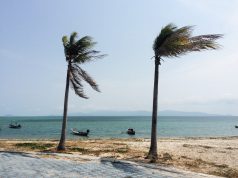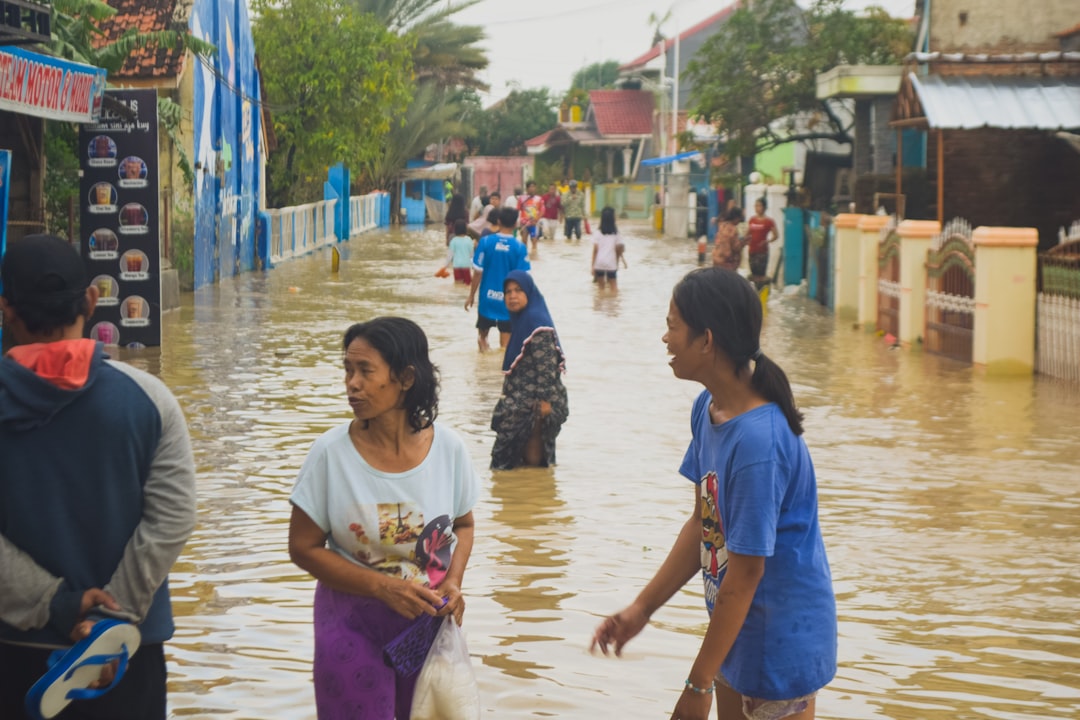
Dwarka, the ancient coastal town on Gujarat’s western edge, has long lived with the sea at its doorstep. The Arabian Sea pounds the Okhamandal Peninsula. The Gulf of Kutch channels storms straight in. On May 2, 2025, that geography turned lethal. A house collapsed after a night of heavy rain and thunderstorms. Four people died. One more lies critically injured.
The town is no stranger to violent weather. Its position makes it a natural target for the intense storms that roll in from the Arabian Sea. But nature alone does not kill. Buildings do. And in a place that draws thousands of pilgrims to the Dwarkadhish Temple each year, the infrastructure that shelters both residents and visitors has to hold.
This collapse is a test of that proposition. Dwarka is a municipality in Devbhumi Dwarka district. It is also a pilgrimage site of the first rank — Hindus come from across India to worship at the temple dedicated to Krishna. The town’s cultural weight is immense. Its physical resilience, as Tuesday’s deaths show, is not.
The Indian government has been promoting disaster-resilient construction. That push now faces a real-world check in Dwarka. Building codes exist on paper. Inspections are supposed to happen. New materials and technologies are available. But none of that matters if enforcement is weak or if older structures were never built to modern standards. The house that fell may have been old. It may have been poorly maintained. It may have been one of many in a town where rapid growth has outpaced regulation.
The report that first covered this tragedy pointed to a need for robust infrastructure and effective disaster management. That is the obvious lesson. The harder question is whether Dwarka can learn it before the next storm hits.
Four families are now mourning. One person fights for their life in a hospital. The town’s spiritual heritage — the temple, the pilgrims, the centuries of faith — continues. But the physical town, the one made of concrete and brick, has shown its weakness. Heavy rain is not rare here. Thunderstorms are not unusual. What is rare is the willingness to act on a warning written in rubble.
Dwarka’s location at the mouth of the Gulf of Kutch will not change. The storms will keep coming. The sea will keep pressing. The only variable is whether the buildings that line its streets can stand up to what arrives from the water. Tuesday’s collapse suggests they cannot. Not yet.
The focus now, the report noted, is shifting to safety and well-being. That is the right instinct. But safety is built, not wished for. It requires strict building codes, regular inspections, and the use of materials that can take a beating from wind and rain. It requires a town government that does not look away. And it requires residents who demand more than a roof over their heads — they need one that will not fall on them.
Dwarka is a place of deep faith. Faith, however, does not hold up a ceiling. Concrete does. Steel does. Good engineering does. The four who died are proof that those things were missing. The one who survived is proof that the margin between life and death in a collapsing house is paper-thin.
The Indian government has been pushing for disaster-resilient infrastructure. In Dwarka, that push has to become a reality. Not in the next policy paper. Not in the next budget cycle. Now. Before the next storm finds another weak wall.