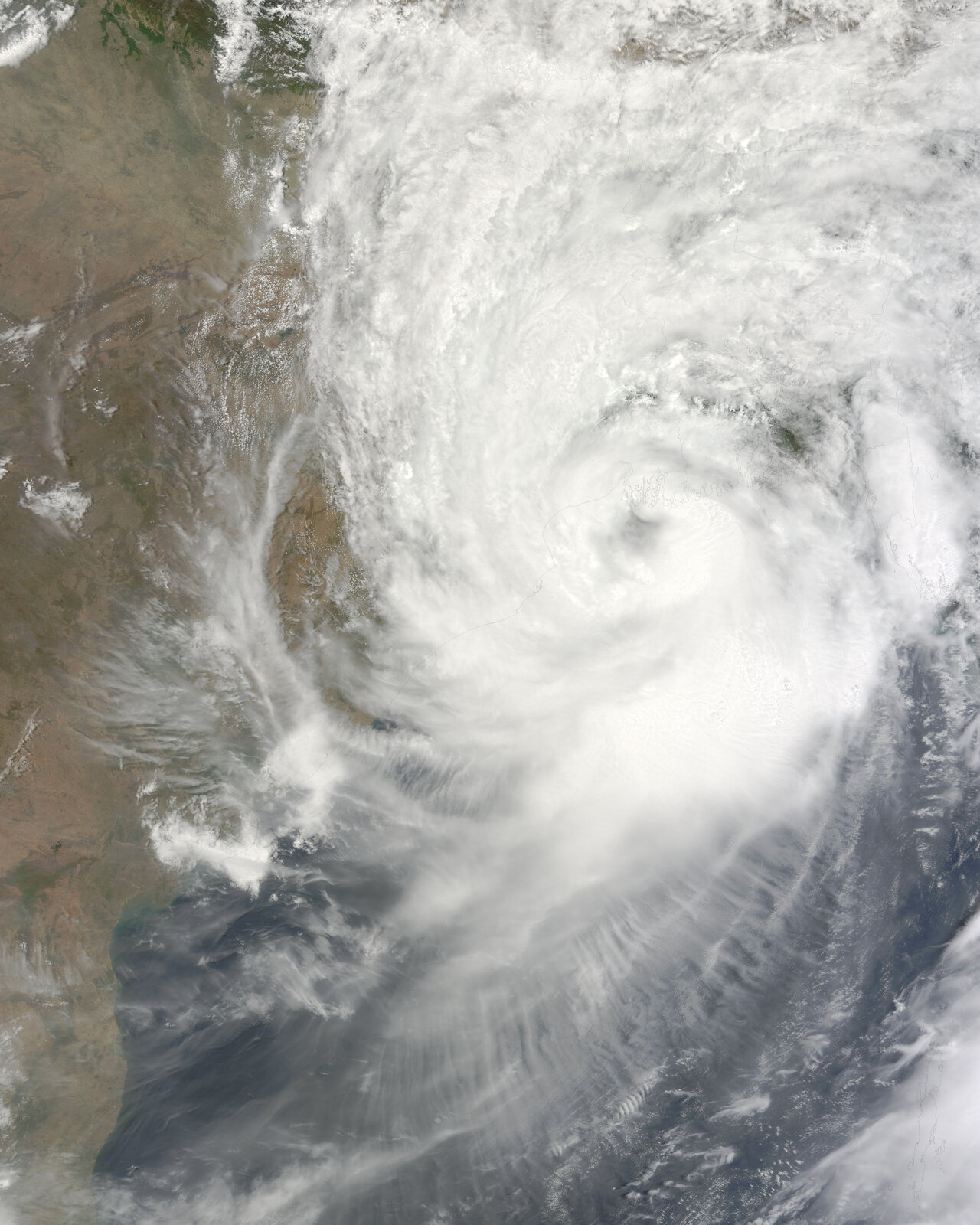
Seven people have lost their lives in the torrential rain that has been lashing parts of Northern India, leaving a trail of destruction and chaos in its wake. The heavy downpour, which has been relentless over the past few days, has caused widespread damage to property, infrastructure, and agriculture, disrupting the lives of thousands of people. As the region struggles to come to terms with the devastation, concerns are being raised about the vulnerability of the area to extreme weather events.
The affected areas are still reeling from the impact of the torrential rain, with reports of flooded homes, damaged roads, and snapped power lines. The situation is particularly grim in the rural areas, where the lack of access to basic amenities has exacerbated the suffering of the people. The local authorities have been working tirelessly to provide relief and assistance to the affected populations, but the scale of the disaster has posed significant challenges to their efforts. As the water begins to recede, the full extent of the damage is becoming increasingly apparent, and it is likely to take several weeks, if not months, for the region to recover from the devastation.
Environmental Concerns
The disaster has also raised important questions about the environmental sustainability of the region. The rampant deforestation and land degradation in the area have been identified as major contributing factors to the severity of the flooding. The removal of tree cover has increased the risk of soil erosion, while the destruction of natural habitats has disrupted the delicate balance of the ecosystem. As the region looks to rebuild and recover, there is a growing recognition of the need to adopt more sustainable practices and to prioritize environmental protection. This includes investing in renewable energy sources, such as solar and wind power, which can help reduce the region’s reliance on fossil fuels and mitigate the economic and environmental costs associated with energy production.
The economic costs of the disaster are also likely to be significant, with estimates suggesting that the damage to property and infrastructure could run into millions of dollars. The impact on the local economy is likely to be felt for a long time, as businesses and industries struggle to recover from the losses. However, the disaster also presents an opportunity for the region to rebuild and revitalize its economy, with a focus on sustainable development and environmental protection. By investing in renewable energy, sustainable agriculture, and eco-friendly infrastructure, the region can create new jobs, stimulate economic growth, and reduce its vulnerability to extreme weather events.
As the people of Northern India struggle to come to terms with the disaster, there is a growing sense of determination and resilience. The local communities have been working together to provide support and assistance to each other, and there is a strong sense of solidarity and cooperation. The disaster has also highlighted the importance of disaster preparedness and response, and the need for the government and other stakeholders to invest in early warning systems, emergency response plans, and infrastructure resilience. By working together and prioritizing environmental protection, the region can reduce its vulnerability to extreme weather events and create a more sustainable and resilient future.
Looking ahead, the road to recovery will be long and challenging, but it also presents an opportunity for the region to rebuild and revitalize its economy and environment. By prioritizing sustainability, investing in renewable energy, and adopting eco-friendly practices, the region can create a better future for its people and reduce its vulnerability to extreme weather events. As the region begins to rebuild, it is clear that the path to recovery will require a concerted effort from all stakeholders, including the government, local communities, and civil society organizations. But with determination, resilience, and a commitment to environmental protection, the people of Northern India can overcome the challenges posed by the disaster and create a brighter, more sustainable future for themselves and for generations to come.