
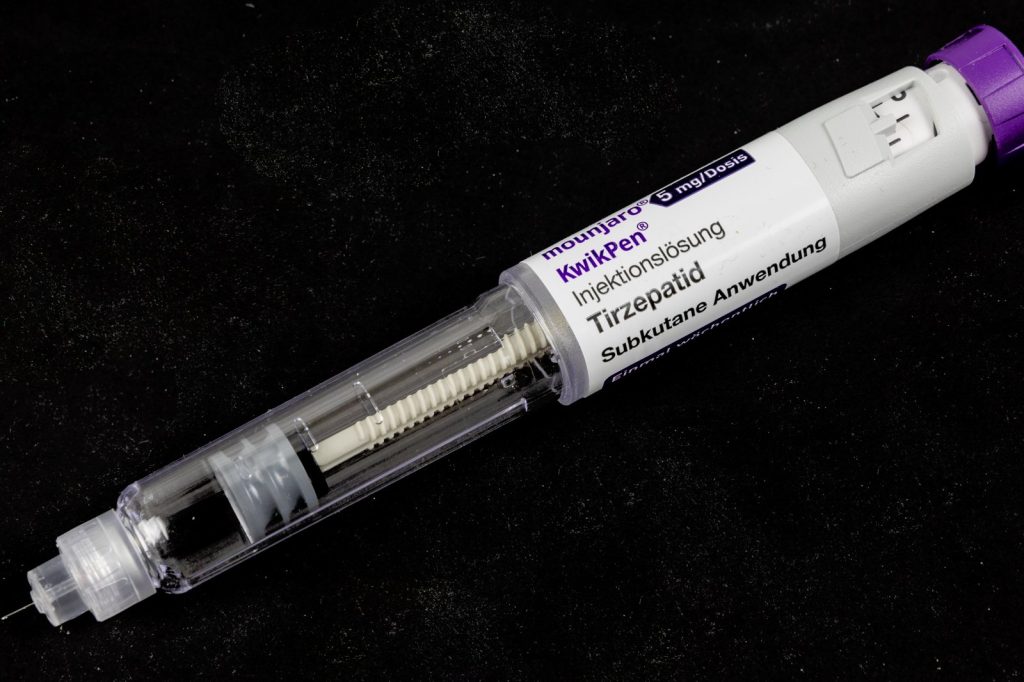
On 15 November, Eli Lilly and Company became the first health‑care firm to breach the US $1 trillion market‑capitalisation threshold. The milestone is more than a stock‑market curiosity; it signals a reshaping of the pharmaceutical landscape, where a single therapeutic class now dominates a global giant’s earnings. According to the company’s 2024 financials, tirzepatide – marketed as Mounjaro for type 2 diabetes and Zepbound for weight loss and obstructive sleep apnea – generated 37 percent of Lilly’s total revenue.
The drug’s three approved indications have turned it into a multi‑segment revenue engine, accounting for more than a third of the firm’s sales across roughly 125 markets. Founded in 1876 by chemist and Union‑army veteran Eli Lilly, the Indianapolis‑based firm had long been a solid, if not leading, player in the industry.
Before the tirzepatide breakout, Lilly ranked fourth worldwide by pharmaceutical revenue and sat at 100th on the Fortune 500 and 138th on the Forbes Global 2000. The surge propelled it to the top of the global pharma valuation list, a position that is expected to strengthen further. Beyond tirzepatide, Lilly’s 2024 revenue stream includes three other notable products. Abemaciclib (brand Verzenio), used for advanced or metastatic breast cancer, contributed 12 percent of sales; dulaglutide (brand Trulicity), another type 2‑diabetes therapy, also accounted for 12 percent; and ixekizumab (brand Taltz) for autoimmune disorders added 7 percent.
While each of these medicines is profitable and clinically important, none approaches the financial weight of tirzepatide. The concentration of earnings around a single molecule carries inherent risk.
Patent expirations and the emergence of competing GLP‑1 receptor agonists could erode tirzepatide’s market share. Lilly appears aware of this vulnerability, as evidenced by its extensive commercial footprint – a network of offices in 18 countries and distribution channels reaching 125 nations – indicating a strategy that leans on global scale rather than reliance on a lone product. Recent regulatory approvals have broadened tirzepatide’s reach.
The drug’s indication for obstructive sleep apnea was added not long ago, and its weight‑loss application taps a rapidly expanding market segment. These extensions suggest that Lilly expects the molecule’s utility to keep growing, reinforcing the company’s confidence in its long‑term revenue potential.
Lilly’s ascent marks a departure from the traditional pharma focus on oncology and rare‑disease therapies, which have historically driven the highest profit margins. By building a trillion‑dollar valuation on a metabolic‑disease platform, the company sends a clear message to research leaders and investors: the next blockbuster may lie in conditions that affect vast swaths of the population rather than in niche, high‑price indications. The firm’s historic roots – a 19th‑century laboratory founded by a Civil War veteran – remain unchanged, but the market’s perception of what a health‑care company can achieve has shifted dramatically.
A valuation of $1 trillion, once deemed unattainable for the sector, now serves as a new baseline for future expectations.




