
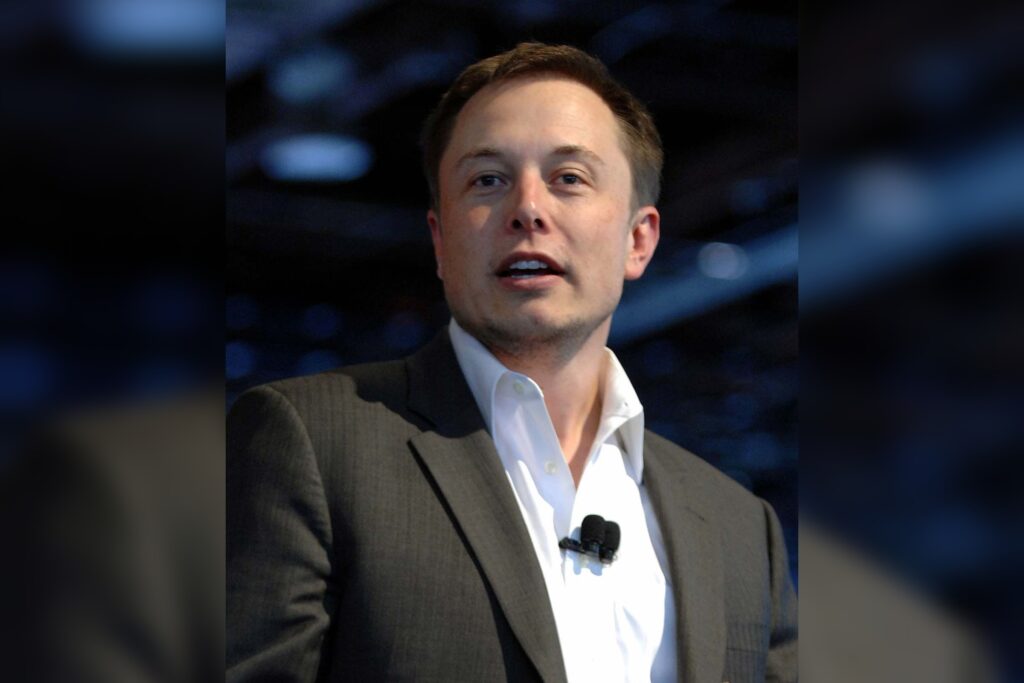
LOS ANGELES, July 15 — The rivalry between two of the world’s wealthiest men, Elon Musk and Jeff Bezos, continues to shape the space industry and the technology sector across the globe, with implications that reach communities far beyond the United States. Musk, born in 1971, founded SpaceX in 2002 and serves as CEO of Tesla. His net worth has been estimated at over $200 billion as of 2024.
Bezos, born in 1964, founded Amazon in 1994 and his space venture Blue Origin in 2000. His net worth also exceeds $200 billion.
The competition between them is not new — it dates back to at least 2004, when Bezos made an early investment in Musk’s Tesla.
A Long History of Public Sparring
Public spats have marked their relationship over the years. Musk has mocked Bezos’s space efforts, while Bezos has criticised Musk’s work conditions. The personal animosity between the two billionaires is often cited as a factor in the aggressive competition between their companies, though both men deny it drives business decisions.
In 2021, Bezos stepped down as Amazon CEO but remains executive chairman of the company he founded. That same year, a major flashpoint emerged in their rivalry for NASA contracts.
The Battle for NASA’s Business
SpaceX won the Human Landing System contract for NASA’s Artemis program in 2021, a deal valued at $2.9 billion. Blue Origin responded by filing a lawsuit challenging the award. That lawsuit was dismissed in 2022.
For communities across Asia that rely on satellite communications and space-based services, the outcome of this competition matters. SpaceX’s Starlink constellation has been expanding internet access in remote areas of the Philippines and Indonesia, while Amazon’s Project Kuiper aims to do the same.
In 2023, Amazon used United Launch Alliance’s Atlas V rocket for its prototype launches — not SpaceX, as has sometimes been incorrectly reported.
What This Means for the Region
Closer to home, the rivalry between these two tech titans affects how quickly satellite internet services reach underserved communities. Both companies are racing to build low-Earth orbit satellite networks that could connect schools, hospitals, and small businesses in parts of Asia where terrestrial internet infrastructure is limited or nonexistent. The competition also influences the cost of launches.
SpaceX’s reusable rocket technology has driven down prices, making space more accessible for countries in the region that are developing their own satellite programs. Blue Origin, while yet to match SpaceX’s launch cadence, continues to develop its New Glenn rocket.
As of 2026, both men remain dominant figures in their respective industries. Musk continues to lead Tesla and SpaceX, while Bezos oversees Amazon and Blue Origin. Their rivalry, now more than two decades old, shows no signs of cooling — and for communities watching from Asia, the race between these two billionaires continues to shape what becomes possible in space.




