Home Corporate Crime European Raiffeisen Bank International and Danske Bank investigated for money laundering

European Raiffeisen Bank International and Danske Bank investigated for money laundering

605
0

On August 22, 2019, Austria’s Raiffeisen Bank International and Denmark’s Danske Bank faced new money laundering investigations after a Kremlin critic filed a criminal complaint alleging they processed hundreds of millions of dollars in illicit funds from former Soviet Union states. The case, brought by anti-money-laundering activist Bill Browder, targets the Estonian branch of Raiffeisen and Danske Bank for allegedly funneling dirty money through dummy corporations in obscure jurisdictions. Browder submitted evidence to the Vienna Public Prosecutor’s Office, claiming as much as $230 billion in questionable funds from Danske flowed through Raiffeisen, whose officials reportedly failed to report the transactions to regulators. Shares in Raiffeisen dropped 12 percent in March following the allegations. The scandal extends beyond these two banks, ensnaring other European institutions in a web of deception that has cost lenders billions in stock value.

The complaint and its origins

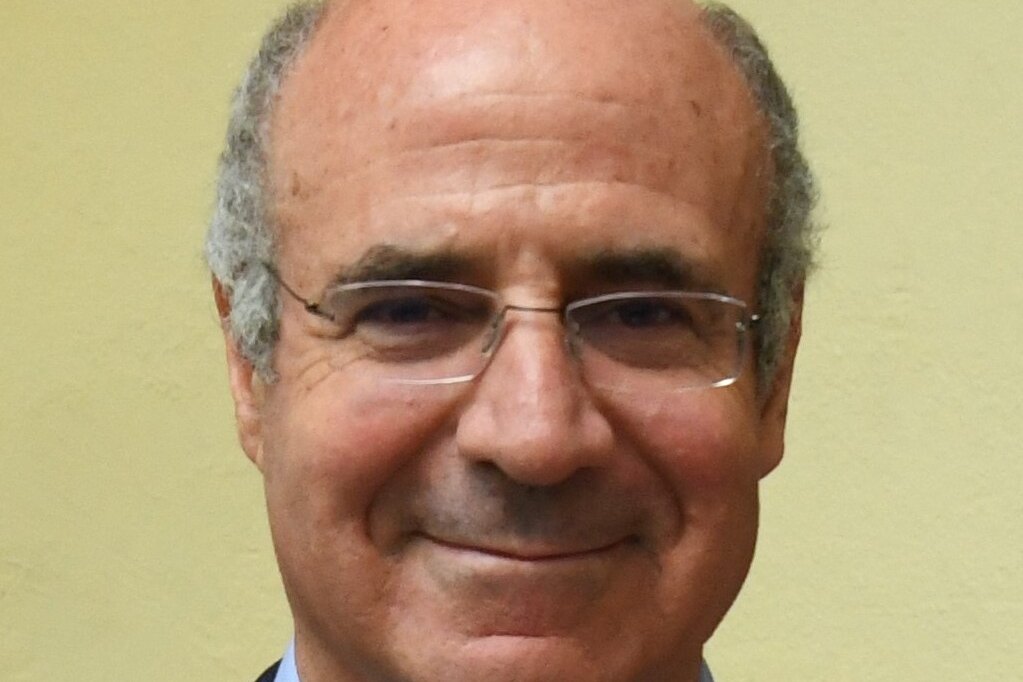
Bill Browder, CEO of Hermitage Capital Management and a prominent anti-money-laundering activist, filed the case requesting Vienna lawyers to investigate the flow of $967 million from Danske Bank to Raiffeisen and other local banks by Russian syndicates. Browder has long campaigned against Russian corruption, and his evidence points to a systematic failure by Austrian financial institutions to police illicit money from the Russian underworld. “Several of the companies that send the illegal money are just dummy corporations or do not have enough capital,” Browder said. He noted these entities are registered in obscure jurisdictions like Belize, the Seychelles, the British Virgin Islands, or Panama. The people receiving the funds have no permanent business address there and typically purchase expensive houses, yachts, and charter large jets.

Raiffeisen and Danske under scrutiny

The complaint alleges that as much as $230 billion in questionable funds from Danske Bank were channeled through Raiffeisen Bank, whose officials chose to ignore the activity and not report it to regulators. A case of gross negligence or acquiescence was filed against the bank. A Raiffeisen bank spokesman said the institution is conducting an internal investigation. The scandal has hit Danske Bank particularly hard, as it was already under investigation for handling up to $230 billion in suspicious transactions from its Estonian branch. The new allegations suggest Raiffeisen played a important role in moving that money further into the European financial system.

Broader implications for European banking

This is not an isolated incident. The scheme, known as the “Troika Laundromat,” has ensnared multiple European banks, including Helsinki-based Nordea and Sweden’s Swedbank. Criminal cases were filed by Browder against Nordea in all four Nordic countries, alleging it processed around €700 million of illicit money from former Russian states. Prosecutors from those countries are now investigating. The scandal has cost banks an estimated €20 billion ($22.6 billion) in stock prices over the past six months. The pattern shows that Austrian financial institutions have for years turned a blind eye to Russian underworld money laundering, according to the complaint.

American banks caught in the web

The money laundering scandal has also drawn in major American banks. Deutsche Bank, Bank of America, and JPMorgan Chase are under investigation for transferring dirty money from Danske Bank. These institutions face scrutiny for their roles in processing funds that originated from the same criminal networks. The involvement of U.S. banks highlights the global reach of the scheme and the challenges regulators face in policing cross-border financial crime. The U.S. Department of Justice has previously pursued cases against European banks for similar violations, and this investigation could lead to further penalties.

The continuing bank scandal that hit Deutsche Bank has now expanded to two more European banks, with Raiffeisen and Danske at the center of allegations that they laundered dirty money from former Soviet Union states. The case, brought by a Kremlin critic, has triggered investigations by prosecutors in Austria, Denmark, and the Nordic countries. As banks scramble to contain the damage, the scandal show the persistent vulnerabilities in the global financial system. The flow of illicit money from Russian syndicates through European banks remains a serious concern, and the outcome of these investigations could reshape how lenders police their transactions. For now, the banks face a long road of legal battles, regulatory scrutiny, and reputational repair.

Next articleSHARP FACTS ABOUT SCISSORS
Beatrice Ferrari
Beatrice Ferrari, 37, is an experienced Italian foreign correspondent whose work focuses on policy, finance and long-form investigations. Their reporting aims to be clear, sourced and accountable to readers.