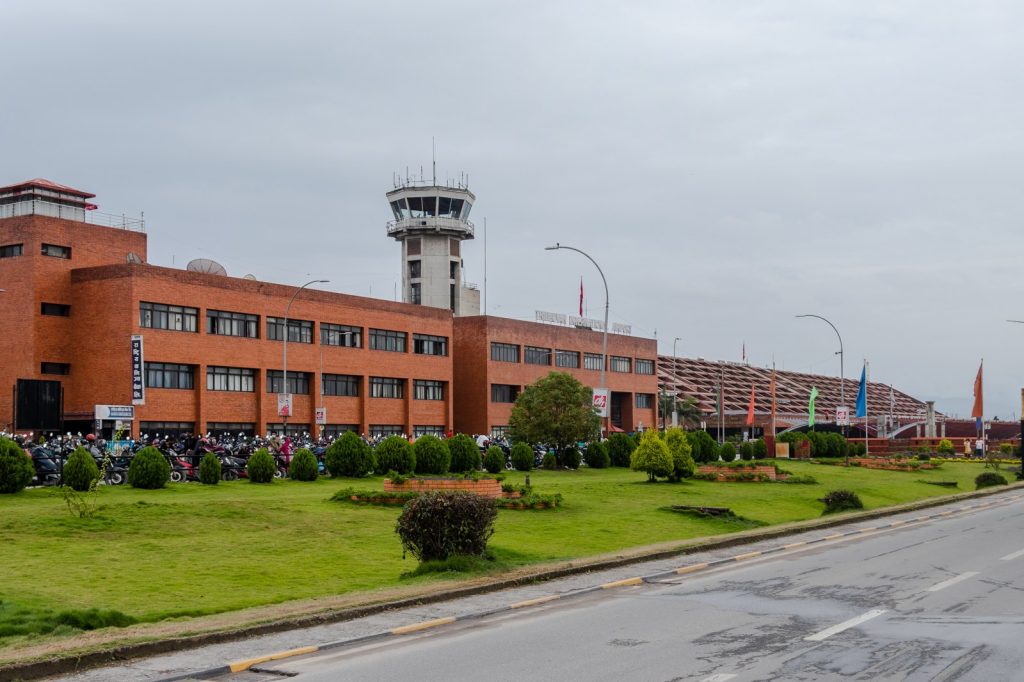
The details are grim and, for now, brief. At about 11:15 local time on the morning of 24 July 2024, a Saurya Airlines Bombardier CRJ-200, registration 9N-AME and a 2003-built airframe with manufacturer serial number 7772, came down at Tribhuvan International Airport in Kathmandu moments after leaving the runway. It was bound for Pokhara on a maintenance ferry flight: a crew of two plus 17 technicians assigned to perform routine work on the aircraft, work Saurya said would formally begin on 25 July. Eighteen of the 19 people aboard died.
The sequence, as footage and eyewitness accounts describe it, was over in seconds. The jet rose only slightly, rolled sharply onto its side, and fell with a wing tip striking the ground first. It caught fire on impact and slid into a gorge east of the runway, coming to rest between a hangar and the radar station. Firefighters worked the blaze while trying to reach survivors. One airport official reported that “cracking noises” seemed to come from the plane before it went down.
The captain, Manish Shakya, was the only person to survive both the impact and the fire. He was taken to Kathmandu Medical College Hospital with injuries to his eyes and forehead, described as not life-threatening; his copilot, Sushant Katuwal, was among the dead, as was one Yemeni citizen. The airport was temporarily shut after the disaster, with flights grounded, and the dead were taken to Tribhuvan University Teaching Hospital for autopsy.
Notably, the first official observation concerns the departure itself. The head of Tribhuvan International Airport said initial inquiries showed the jet took off in the wrong direction, which, at an airfield hemmed in by terrain, is the salient point investigators will keep returning to. Visibility in Kathmandu was reported low at the time of the accident. The jet had departed from the runway’s southern side at Koteshwor and made a sharp bank before falling, footage of the departure showed.
For all the noise that follows any crash in Nepal, a country with a long and sorrowful aviation ledger, the record here is specific: one airline, one aircraft, one failed takeoff. It would seem the answers start with a surviving pilot who saw the whole thing from the best, and worst, seat in the house. His account, alongside the wreckage between the hangar and the radar station, is where the inquiry begins.
Sources
- Saurya Airlines plane crash claims 18 lives, including three members of one family, captain the sole survivor – myRepublica – The New York Times Partner, Latest news of Nepal in English, Latest News A
- Fear of Landing – Nepal’s Aviation Safety Under Scrutiny After Deadly CRJ200 Crash