View original document (0.1 MB)
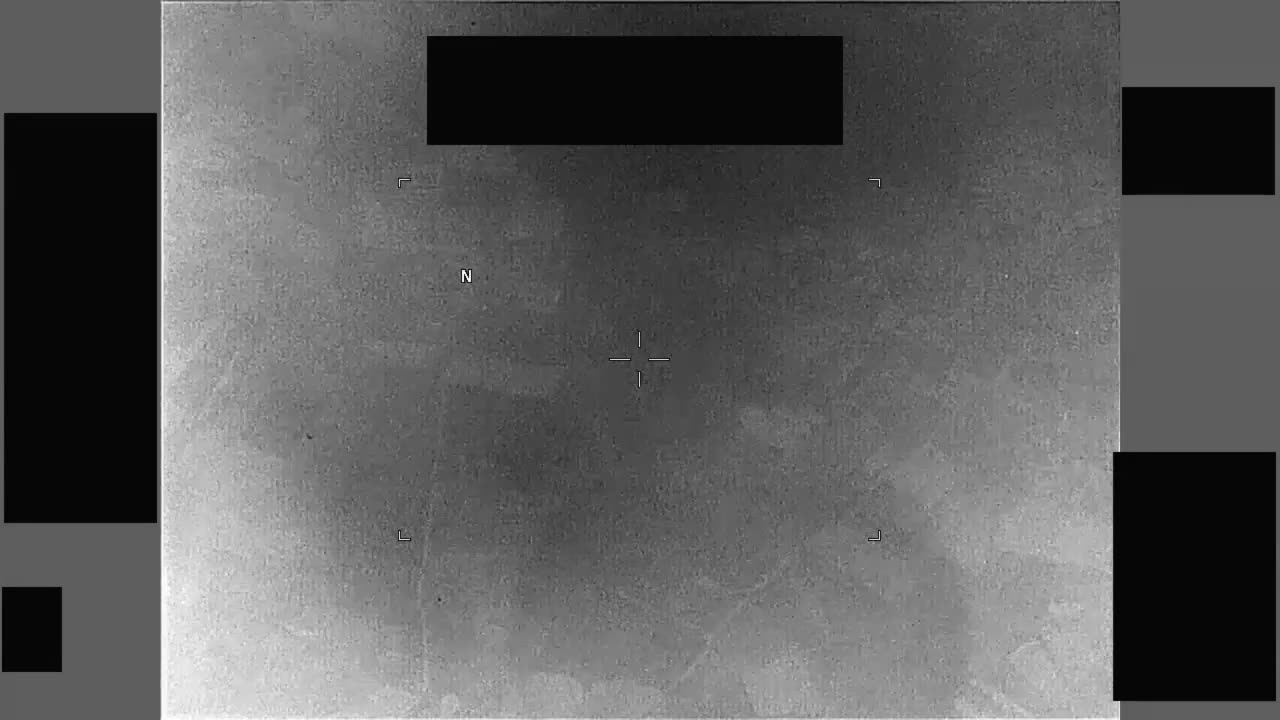
The Federal Bureau of Investigation submitted a report to the Pentagon’s UAP task force consisting of a single, heavily redacted still image from a U.S. military system, according to an FBI document released by the U.S. Department of War on May 8, 2026. The document, titled “FBI Photo B5,” is part of a broader declassification effort known as the PURSUE archive, and its official description offers limited detail beyond the basic circumstances of the submission.
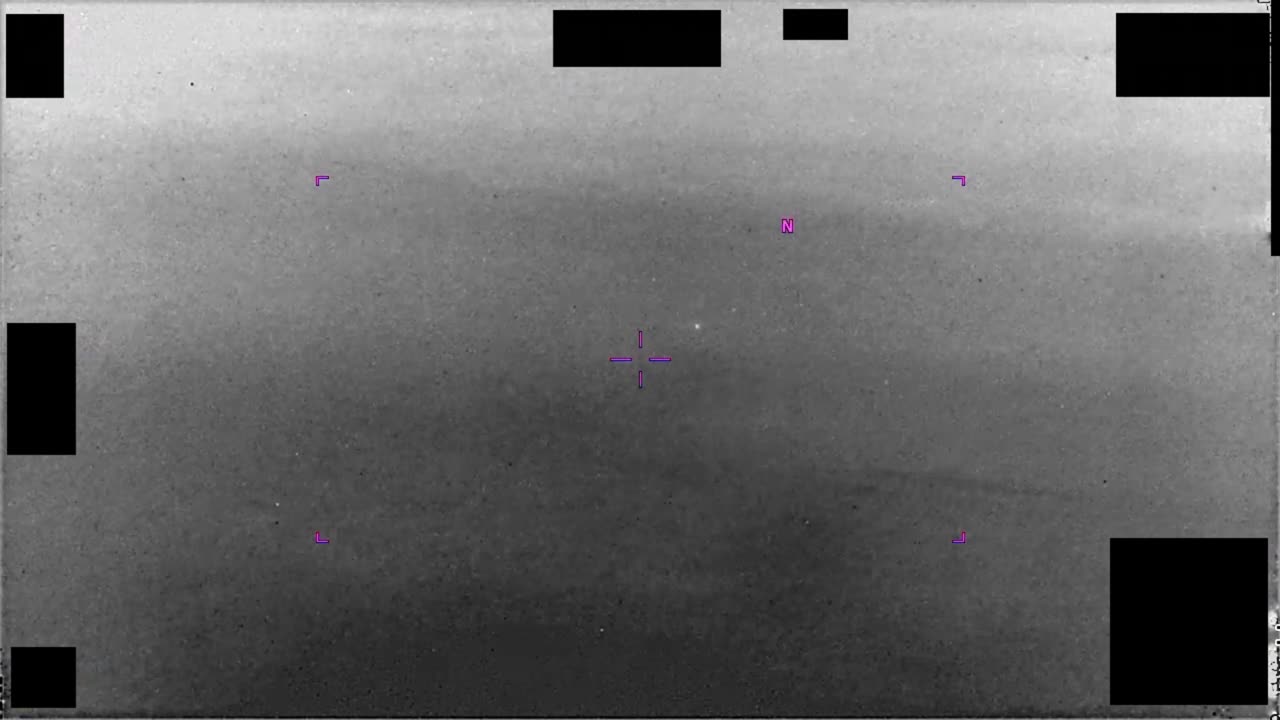
The FBI document states that the image was derived from a U.S. military system in late 2025 and that the original imagery was altered with redactions before being provided to the All-domain Anomaly Resolution Office (AARO). No accompanying mission report was submitted. The operator of the system reported that they were unable to positively identify the unidentified anomalous phenomenon (UAP) depicted in the image. The official description further notes that the date embedded in the image is incorrect because the system’s date and time settings had not been properly configured.
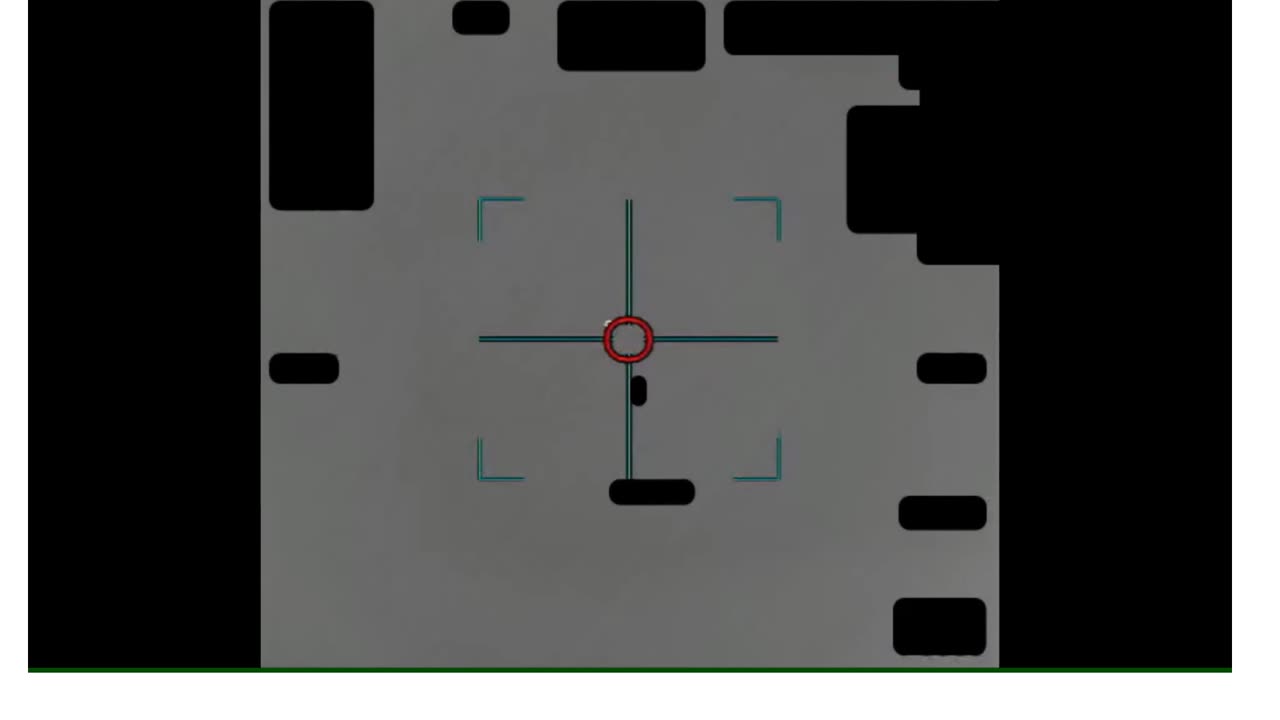
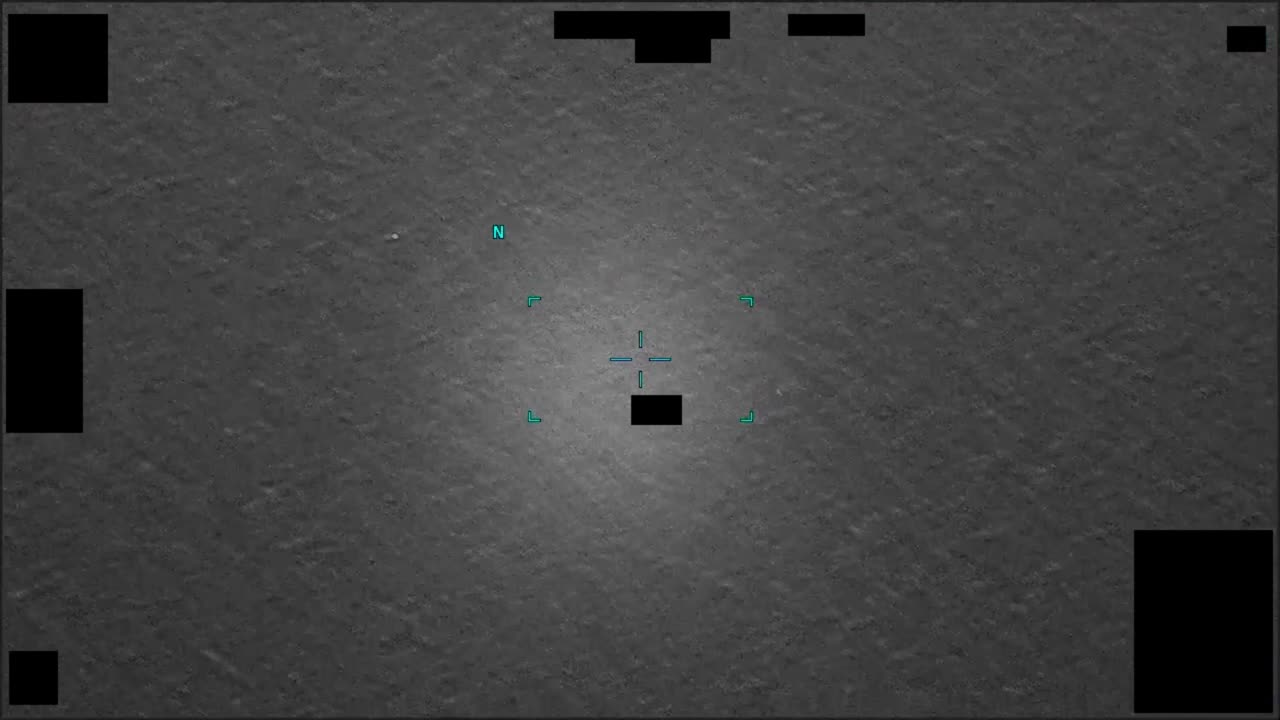
A narrative description of the image, provided for informational purposes only, describes a monochrome, grainy texture with a central crosshair reticle. The description states that no distinct objects are clearly visible within the central area of the frame, and the background shows an indistinct formation, possibly a mountain range. The FBI document explicitly cautions readers not to interpret any part of this narrative description as reflecting an analytical judgment, investigative conclusion, or factual determination regarding the event’s validity, nature, or significance.
Context of the PURSUE Release
The release of “FBI Photo B5” is part of a broader initiative by the administration of Donald Trump, which began on May 8, 2026, to declassify and release a collection of U.S. government records concerning UFOs, also called UAPs. According to a Wikipedia summary of the “United States UFO files,” the releases were announced as ongoing, repeated, and expanding, with additional materials to follow. The PURSUE archive, hosted on the war.gov domain, is the primary repository for these documents.
The FBI’s involvement in this particular record is notable because the bureau is not typically the primary collector of military sensor data. The document indicates that the FBI submitted the report to AARO, the Pentagon office established to investigate UAP incidents across all domains. The lack of an accompanying mission report means that analysts and the public have no context for how the image was obtained, what the operator was observing, or what actions were taken after the sighting.
The redactions applied to the original imagery before submission to AARO further limit what can be understood from the record. The official description does not specify what information was redacted or why. The document’s narrative description, which is explicitly non-analytical, confirms that the image does not show a clear object, leaving the nature of the reported phenomenon entirely ambiguous.
What Remains Unanswered
The “FBI Photo B5” document raises more questions than it answers. The most immediate mystery is why the FBI, rather than a military branch, submitted a report based on a U.S. military system. The document does not explain the FBI’s role in the incident or how the bureau obtained the imagery. The absence of a mission report means that even basic details—such as the type of military system used, the location of the operator, and the duration of the sighting—are unknown.
The incorrect date stamp on the image also complicates efforts to verify the timing of the event. While the official description lists the incident date as late 2025, the system’s unset date and time introduce uncertainty about whether the image was captured on that date or at a different time. The redactions further obscure any identifying information that might have been present in the original frame.
For readers following the PURSUE releases, this document serves as a reminder that not all UAP records will contain dramatic or conclusive evidence. The FBI’s submission is a sparse record—a single, grainy image with no clear object, no mission report, and significant redactions. The official description itself is cautious, noting that the narrative description should not be taken as a factual determination.
Future releases in the PURSUE archive may provide additional context for this and other incidents. The Wikipedia summary of the U.S. UFO files indicates that the declassification effort is intended to be repeated and expanding, suggesting that more documents—possibly including mission reports or unredacted imagery—could be made public. Until then, the “FBI Photo B5” record stands as a fragment of a larger story, with many pieces still missing.