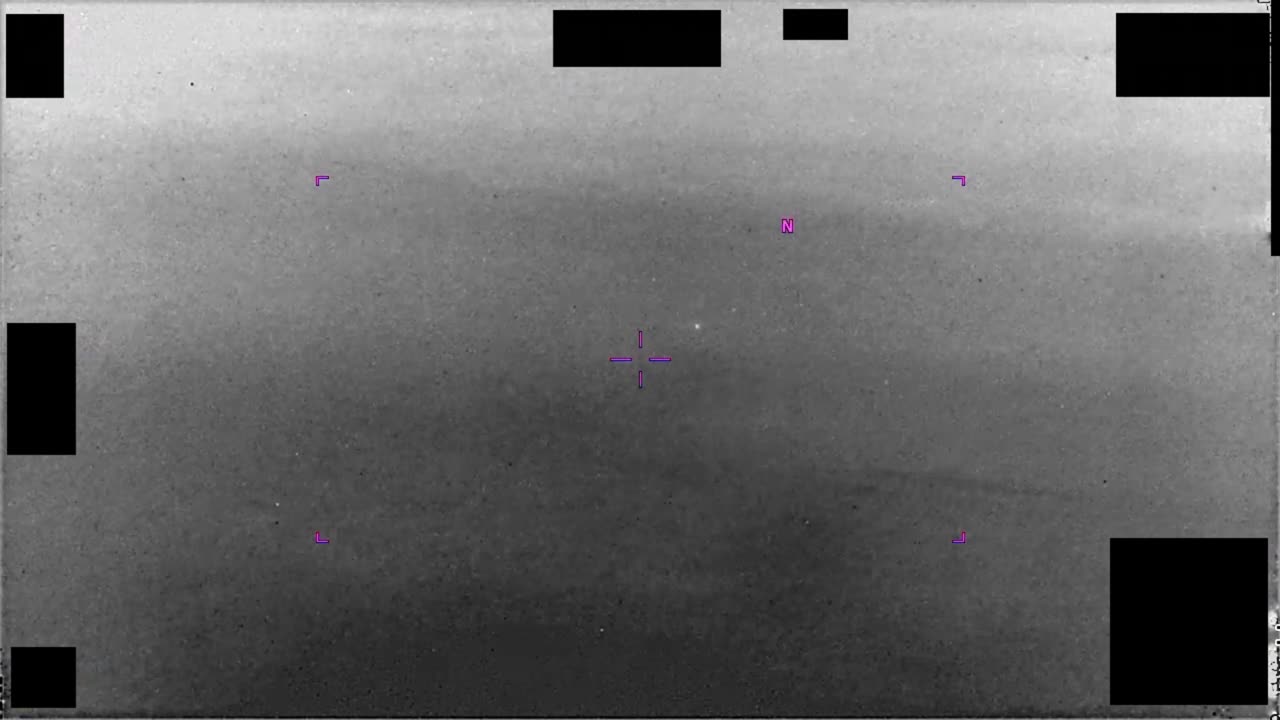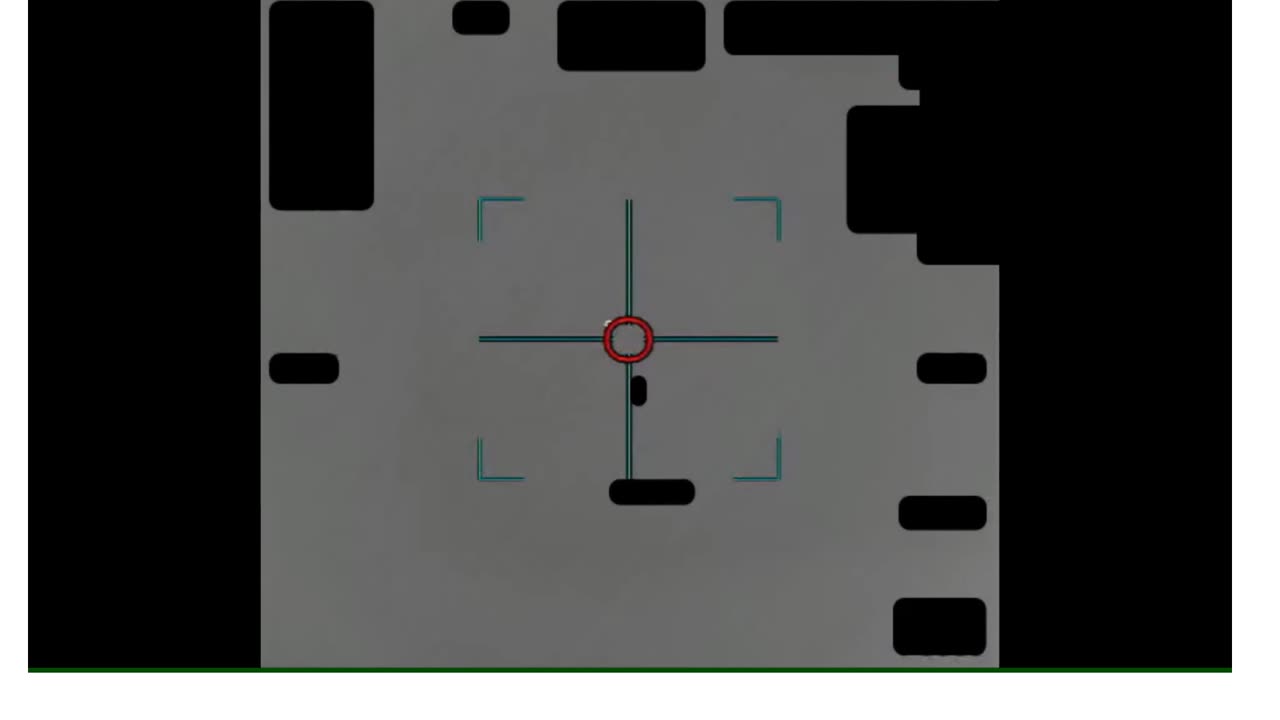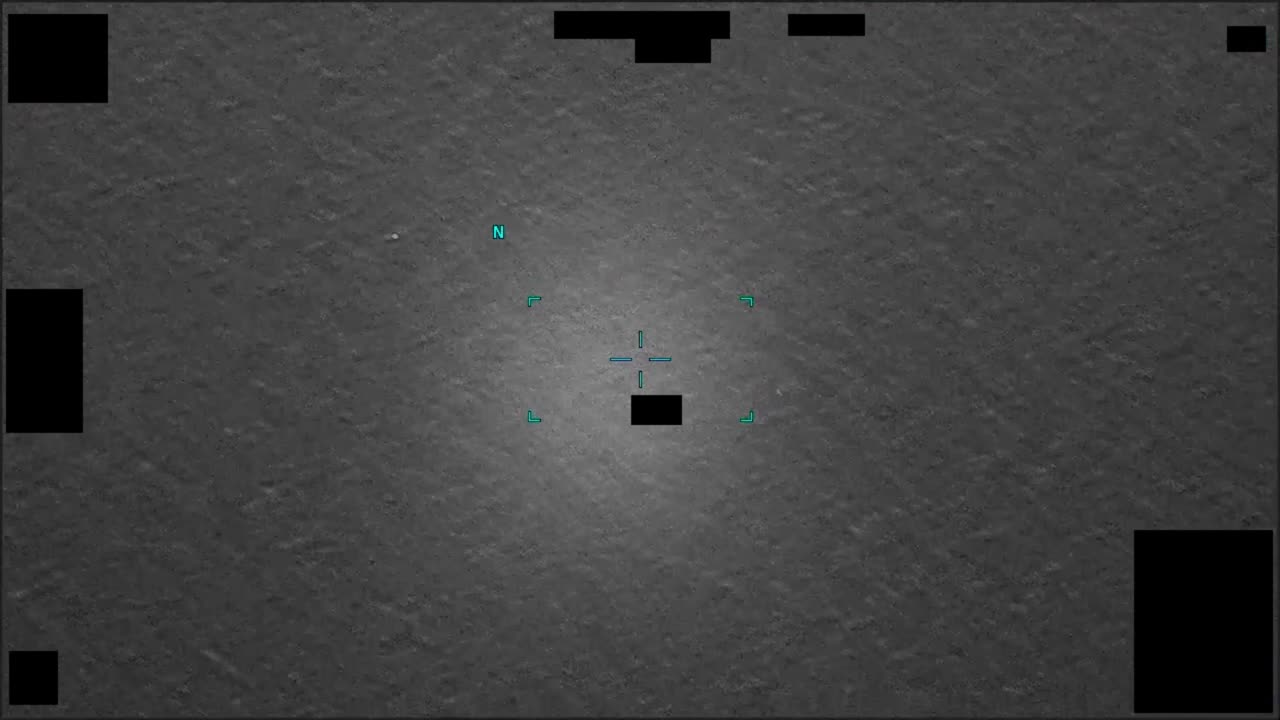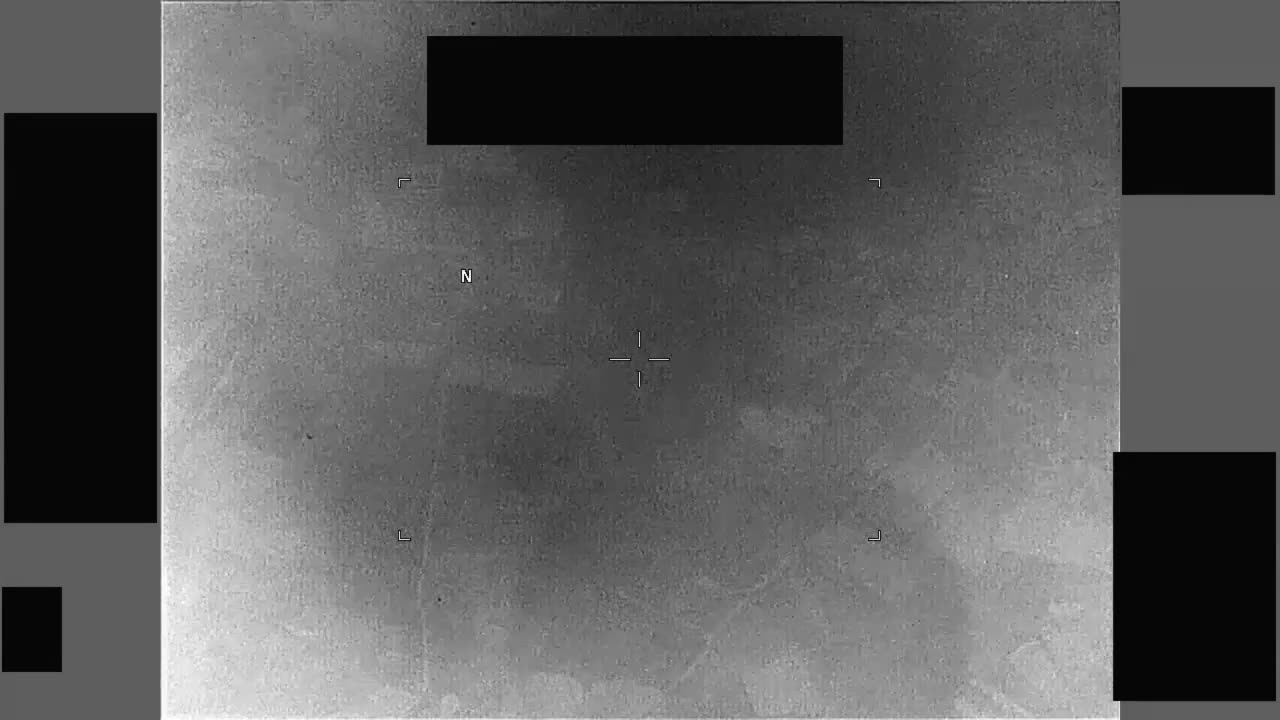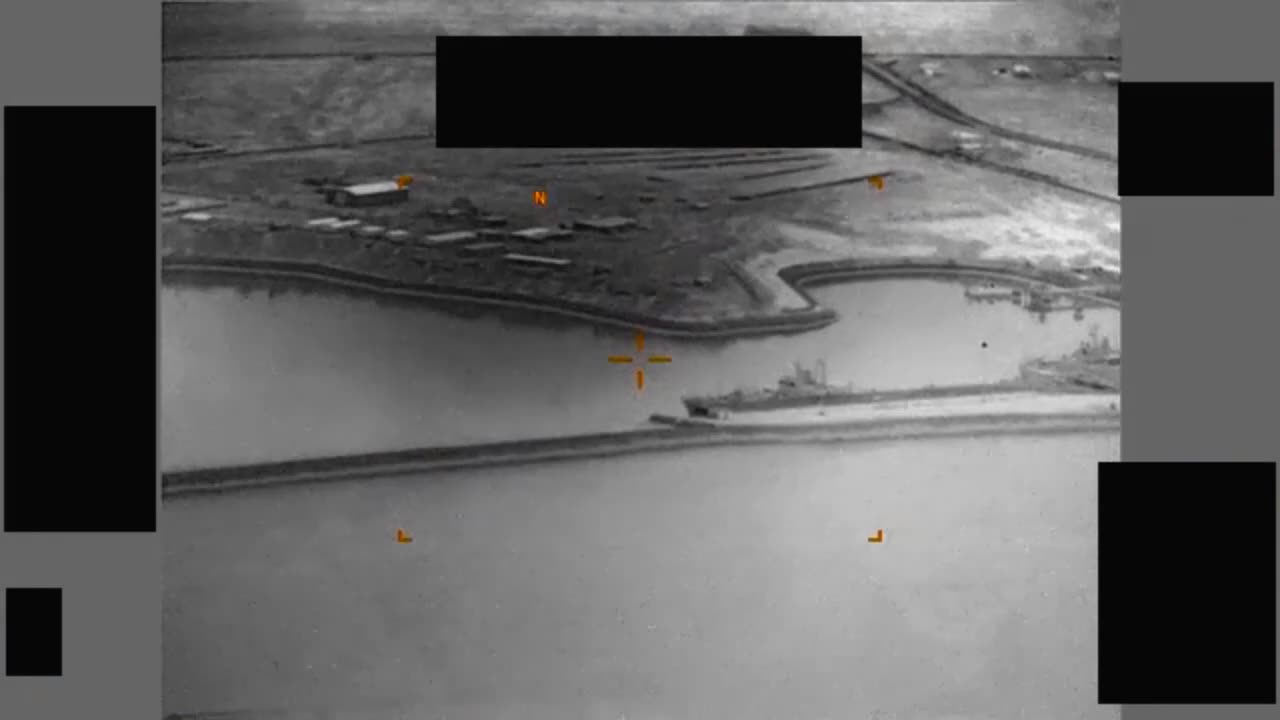
The government’s latest transparency push has produced a document that raises more questions than it answers. A single, redacted still image—designated “FBI Photo B23″—is now the entirety of what the FBI submitted to the Pentagon’s All-domain Anomaly Resolution Office (AARO) regarding an unidentified anomalous phenomenon captured by a U.S. military system in late 2025.
The image, released May 8, 2026, through the new PURSUE archive at war.gov, comes with an official description that reads like a series of caveats. The FBI altered the original imagery with redactions before forwarding it to AARO. The accompanying mission report was never provided. The operator who captured the image could not positively identify what they saw. Even the date stamped on the image is wrong—the system’s date and time were never set.
What remains is a monochrome picture. Grainy texture. A simplified central crosshair. One dark, elongated object near the edge of the reticle, to the right of center. That is the sum total of what the public gets to see.
The document’s own summary is blunt about its limits. It explicitly states the narrative description is provided for informational purposes only. It warns readers not to interpret any part of that description as reflecting an analytical judgment, investigative conclusion, or factual determination about the event’s validity, nature, or significance.
This matters because the PURSUE archive was sold as a new era of disclosure. A government finally releasing what it knows. Instead, the first FBI submission to AARO under this initiative is a single redacted photo with no mission report, no operator testimony, and a formal disclaimer that the government’s own description means nothing.
The incident is listed as occurring in the Western United States. That is the only geographic anchor. No location name. No unit identification. No timeline beyond the year.
What is at stake here is credibility. The government has created a mechanism for transparency, then populated it with a document that the government itself says should not be read as reflecting any analytical judgment or factual determination. The public is left with a grainy image and a warning not to trust the accompanying text.
The operator could not identify the object. That is a fact from the record. But without the mission report, there is no context for that failure. Was the object moving? Stationary? How long was it observed? What sensors were used? Those questions go unanswered.
The redactions are another problem. The FBI chose what to conceal before sending the image to AARO. The public does not know what was hidden or why. The original imagery, unredacted, exists somewhere. It is not in the PURSUE archive.
For advocates of transparency, this is the test case. If the government’s flagship disclosure effort produces documents that come with disclaimers nullifying their own content, the entire exercise risks becoming performative. The machinery of release exists. The substance does not follow.
A single dark object. A crosshair. Grain. Redactions. A wrong date. A missing report. An operator who could not say what they saw. A government warning not to draw conclusions. That is the record.
The Western United States. Late 2025. That is all the location and time the public gets.
The PURSUE archive is accessible. The document is there. The question is whether it represents a new commitment to transparency or a new way to make the absence of information look like its presence.