
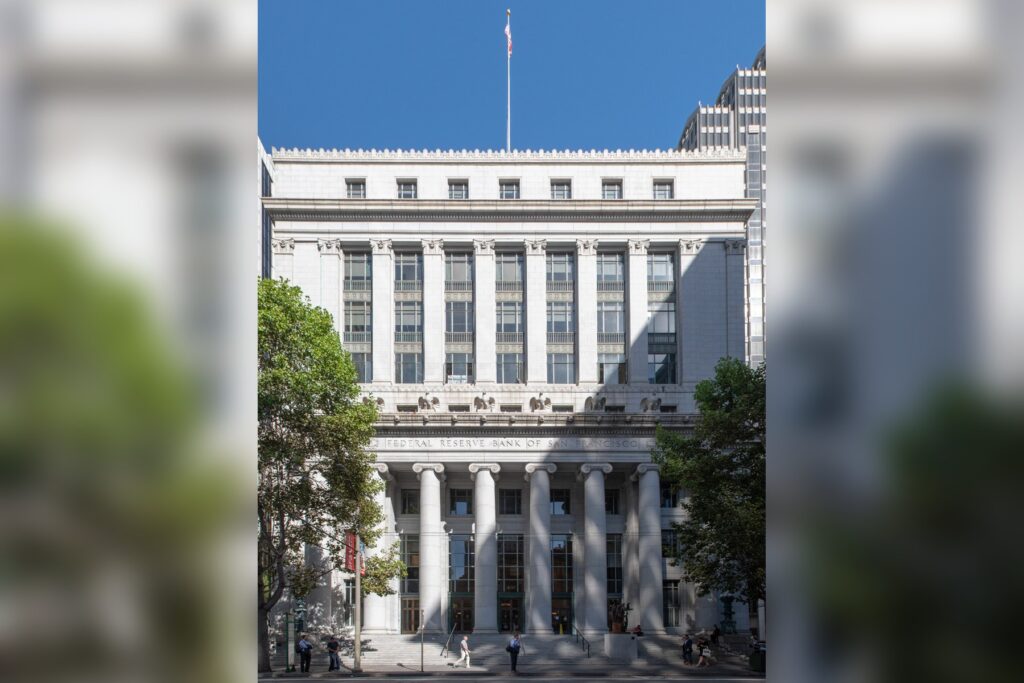
WASHINGTON, July 10 — The figure that matters: the Federal Reserve’s benchmark interest rate sits at a range of 5.25% to 5.50%, the highest level since 2001. That is the blunt reality as the central bank continues its fight to tame inflation, which peaked at 9.1% in June 2022 — the highest since 1981. By the numbers, the Fed’s dual mandate from Congress is straightforward: maximum employment and stable prices, with inflation averaging 2% over time.
Getting there has required the most aggressive rate-hiking cycle in decades. The Federal Open Market Committee, which meets eight times per year to set the target for the federal funds rate, has driven borrowing costs steadily upward.
The bottom line for investors and consumers alike is that the Fed’s decisions directly shape mortgage rates, credit card rates, business loans, and the value of the U.S. dollar. Those levers are the mechanism by which the central bank tries to cool an overheated economy. The Fed’s tools are threefold.
It sets the federal funds rate — the interest rate at which banks lend reserves to each other overnight. It conducts open market operations, buying and selling government securities.
And it adjusts the discount rate, the interest rate the Fed charges banks for direct loans. All three have been deployed in the current tightening cycle. The central bank’s balance sheet tells its own story.
It grew from about $900 billion in 2007 to nearly $9 trillion in 2022, driven by quantitative easing after the 2008 financial crisis. That expansion is now being unwound as the Fed shrinks its holdings.
The history behind the rate decision
The Fed was established by the Federal Reserve Act of 1913. Its core functions — conducting monetary policy, supervising and regulating banks, maintaining financial stability, and providing financial services — have remained consistent for more than a century. The current chair, Jerome Powell, has held the post since 2018.
He follows a line of consequential leaders. Paul Volcker, who chaired from 1979 to 1987, raised rates to 20% to break the inflation of that era.
Alan Greenspan served from 1987 to 2006. Ben Bernanke, chair from 2006 to 2014, oversaw quantitative easing after the 2008 financial crisis. Janet Yellen, the first woman to lead the Fed, served from 2014 to 2018.
What to watch next
The Fed is independent of the executive branch but subject to congressional oversight. That independence has been tested during the current rate cycle, as higher borrowing costs have drawn political criticism. The FOMC’s next scheduled meeting will be closely watched for any signal that the rate hiking campaign is nearing its end.
Investors will note that inflation has come down sharply from its June 2022 peak of 9.1%, but remains above the Fed’s 2% target. The question now is whether the current rate range of 5.25% to 5.50% is sufficient to finish the job — or whether more tightening lies ahead.
{“@context”: “https://schema.org”, “@type”: “NewsArticle”, “headline”: “Fed Sets US Economic Course with Interest Rate Decisions”, “description”: “WASHINGTON, July 10 — The figure that matters: the Federal Reserve’s benchmark interest rate sits at a range of 5.25% to 5.50%, the highest level…”, “datePublished”: “2026-07-10T09:30:00+00:00”, “author”: {“@type”: “Person”, “name”: “Ava Anderson”}, “publisher”: {“@type”: “Organization”, “name”: “InfoPulse Today”, “url”: “https://newsfeed.2bme.xyz/”}}




