A catastrophic structural failure in Fez, Morocco, has resulted in 22 fatalities and multiple injuries, emergency officials reported. The disaster unfolded on December 10, 2025, when two neighboring structures in the historic city suddenly gave way, burying occupants beneath tons of debris.
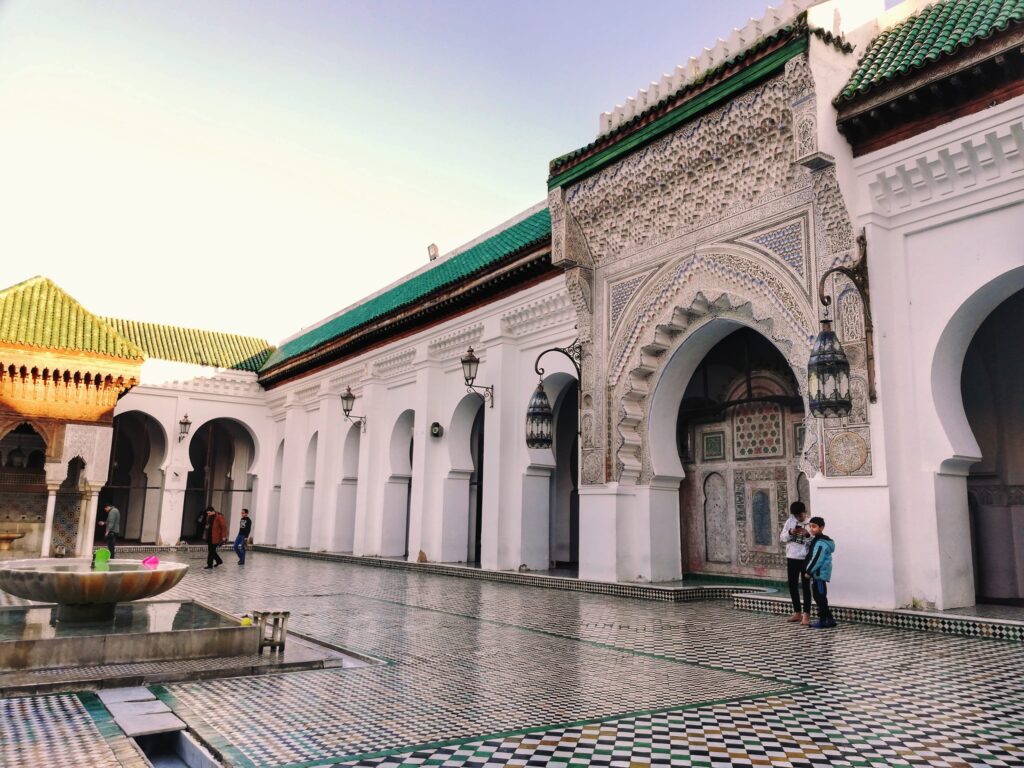
Search-and-rescue teams remain active at the site, working to locate survivors and deliver medical treatment to the wounded. Fez, founded in the 8th century, stands as one of Morocco’s largest urban centers. The 2024 census recorded its population at 1.256 million.
The city’s ancient quarter is organized around the Fez River, which flows westward to eastward, and is framed by hills and the Atlas Mountains to the northwest. As the administrative seat of the Fez-Meknes region, the city serves as a major cultural and economic hub in northern Morocco.
Its architecture, shaped by Arab and Islamic traditions, includes numerous historic structures that draw scholars and tourists. The cause of the collapse remains under investigation. Authorities are expected to examine the structural soundness of the buildings and any contributing factors.
The structures were likely built with traditional materials and methods, which may have been susceptible to decay or structural weakness over time. As inquiries proceed, attention is turning to broader building-safety concerns in Fez and across Morocco, where many older buildings may face similar risks.
Local officials are mobilizing support for those impacted. Efforts include providing medical care, temporary shelter for the displaced, and counseling services to help residents cope with the psychological aftermath. Emergency responders are also reviewing their procedures to identify lessons and improve readiness for future incidents.
The tragedy underscores the need for rigorous safety and sustainability in urban planning. As cities worldwide expand, designing and managing them to minimize disaster risks becomes critical.
Investments in renewable energy—such as solar and wind power—can reduce environmental pressures and enhance energy security for urban populations. By prioritizing both safety and sustainability, Fez can better protect its residents and secure a healthier future. Rebuilding and recovery will require coordinated action from local government, emergency services, and the community. The process is expected to emphasize sustainable development and safety, aiming to create a cleaner, more resilient environment.
Given its rich heritage, Fez has the potential to serve as a model for sustainable urban growth in Morocco and beyond, emerging from this tragedy with renewed strength.