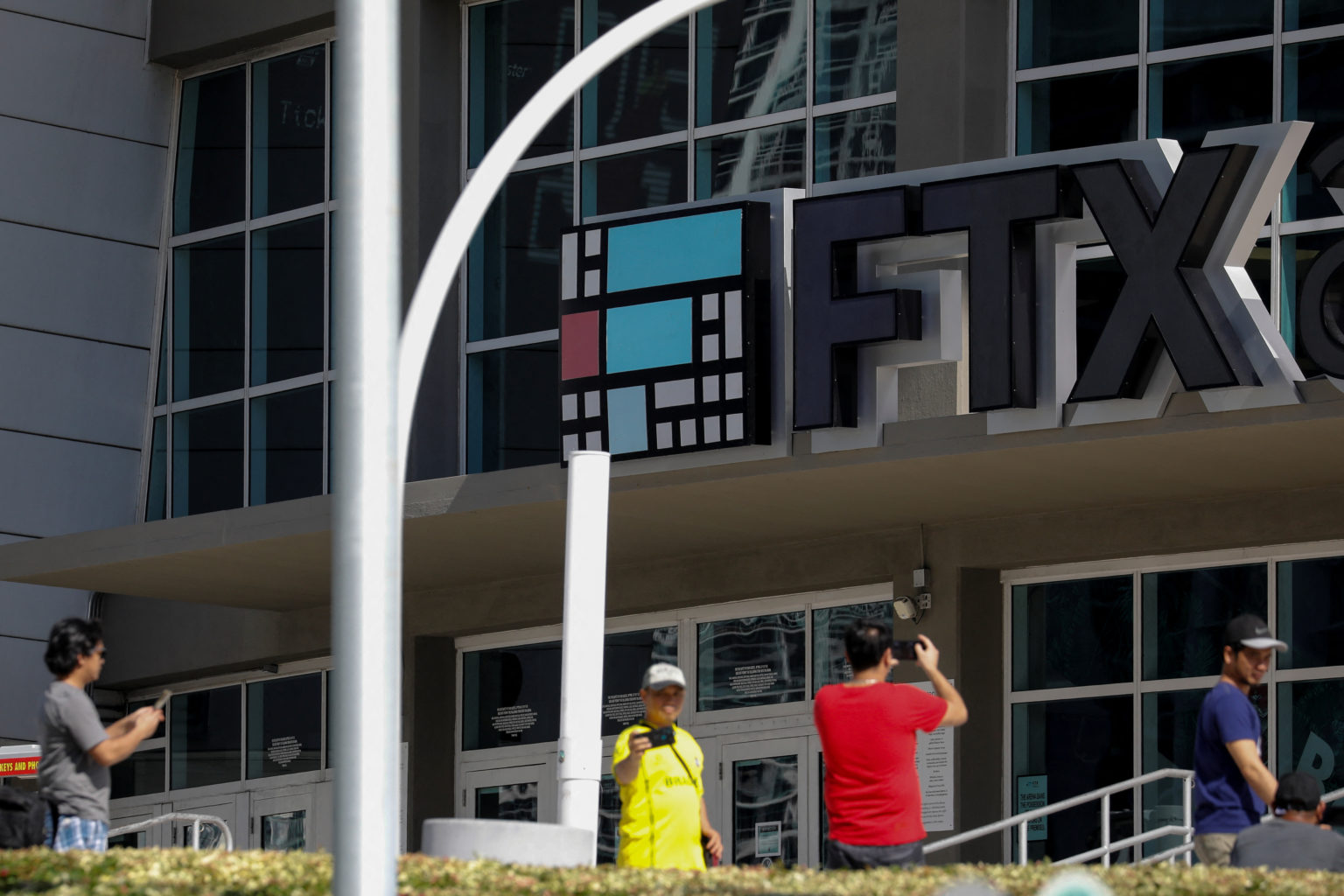
On November 13, 2022, the cryptocurrency world is reeling from the shocking bankruptcy of FTX, a Bahamas-based cryptocurrency exchange that was once the third-largest by volume, with over one million users. The collapse of FTX, which began to unfold earlier this month, has sent shockwaves through the financial markets and raised questions about the stability of the cryptocurrency industry. As the situation continues to unfold, it has become clear that the bankruptcy of FTX is a complex and multifaceted issue, with far-reaching implications for investors, regulators, and the broader financial community.
The roots of the FTX bankruptcy can be traced back to an article published by CoinDesk on November 2, 2022, which revealed that Alameda Research, a trading firm affiliated with FTX and owned by FTX chief executive Sam Bankman-Fried, held a significant amount of FTX’s exchange token, FTT. This revelation triggered a spike in customer withdrawals from FTX, as investors became increasingly concerned about the financial health of the exchange. However, as the withdrawals accelerated, it became clear that FTX was facing a severe liquidity crisis, with an estimated $8 billion hole in its accounts. Despite efforts to stem the tide, FTX was ultimately unable to meet its obligations to customers, leading to a complete collapse of the exchange.
The collapse of FTX has had a profound impact on the cryptocurrency markets, with many investors left reeling from the sudden loss of access to their funds. The situation has drawn comparisons to some of the most notorious financial scandals in history, including the Enron scandal and the Madoff investment scandal. Federal prosecutors have described the collapse of FTX as “one of the biggest financial frauds in American history,” highlighting the severity of the situation and the potential consequences for those involved. As the investigation into the collapse of FTX continues, it is likely that more details will emerge about the events leading up to the bankruptcy and the role of key players, including Sam Bankman-Fried and Alameda Research.
Bankruptcy Filing and Aftermath
On November 11, 2022, FTX, Alameda Research, and over 100 affiliated entities filed for bankruptcy, marking a significant turning point in the crisis. As part of the bankruptcy filing, Sam Bankman-Fried resigned as CEO of FTX, and was replaced by John J. Ray III, a veteran bankruptcy expert. The appointment of Ray has been seen as a positive step, as he brings a wealth of experience in navigating complex bankruptcy proceedings. However, the road ahead is likely to be long and challenging, with many stakeholders, including investors, customers, and regulators, seeking answers about the collapse of FTX and the fate of their funds.
The collapse of FTX has also raised important questions about the regulation of the cryptocurrency industry and the measures in place to protect investors. As the situation continues to unfold, it is likely that regulators will face increased scrutiny over their handling of the crisis and their efforts to prevent similar collapses in the future. The Securities Commission of the Bahamas, where FTX is based, has already begun to investigate the collapse of the exchange, and it is likely that other regulatory bodies will follow suit. As the investigation into the collapse of FTX continues, it is likely that more details will emerge about the events leading up to the bankruptcy and the role of key players, including Sam Bankman-Fried and Alameda Research.
As the cryptocurrency industry struggles to come to terms with the collapse of FTX, investors and regulators are left to wonder what the future holds. In the short term, it is likely that the situation will continue to unfold, with more details emerging about the events leading up to the bankruptcy and the role of key players. In the longer term, the collapse of FTX is likely to have significant implications for the cryptocurrency industry, with potential consequences for regulation, investor confidence, and the stability of the financial markets. As the situation continues to evolve, it will be important to watch for developments in the investigation into the collapse of FTX, as well as any potential regulatory responses or reforms. One thing is certain, however: the collapse of FTX marks a significant turning point in the history of the cryptocurrency industry, and its impact will be felt for years to come.