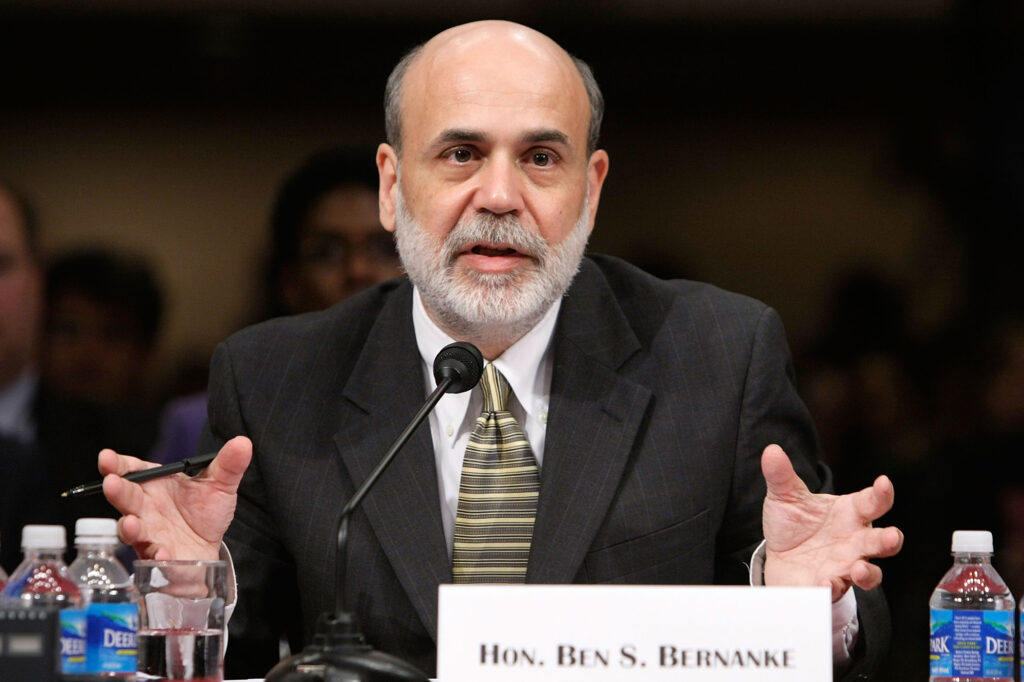
TEHRAN, July 26 — Former Federal Reserve Chairman Ben Bernanke first used the term “global savings glut” in a March 2005 speech to explain why long-term U.S. interest rates stayed low even as short-term rates were rising. He argued that excess saving in emerging economies—particularly in Asia and among oil-exporting countries—was flowing into U.S. and other advanced-economy assets, pushing bond yields downward. The account indicates this became a central framework for interpreting the dynamics of global capital flows in the years that followed.
For much of the decade after Bernanke’s speech, the evidence appeared to support his thesis. According to data cited in the analysis, China’s current account surplus averaged between 4% and 10% of its GDP from 2005 to 2015.
Other Asian economies also ran large surpluses during that period. Meanwhile, oil-exporting countries such as Saudi Arabia and Russia accumulated substantial surpluses during the commodity boom. These funds were often recycled into U.S. Treasury bonds, helping to keep 10-year Treasury yields below 5% for most of the post-2000 period.
The Bernanke Thesis
Bernanke’s argument was that a “global saving glut”—not weak U.S. demand or monetary policy—was the primary force behind low long-term interest rates. He presented this in a 2005 speech, a time when the U.S. Federal Reserve was already raising short-term rates. The puzzle was why yields on longer-dated bonds failed to follow.
The answer, he said, lay in the savings of fast-growing emerging economies seeking safe assets. Officials and economists at the time widely debated the claim, but it became a benchmark explanation for the persistent low-yield environment.
The account indicates that the pattern held for years. China’s surplus remained high through the global financial crisis and beyond. Oil exporters, flush with petrodollars, continued to pile into dollar-denominated debt.
The result was a steady flow of capital into U.S. Treasuries, which kept yields historically low even as the U.S. ran large fiscal deficits.
A Narrowing Imbalance
By 2023, the global current account imbalance had narrowed significantly. China’s surplus had dropped to about 2% of its GDP, far below its earlier peaks. Oil prices had fallen from their 2014 highs, reducing the surpluses of exporting countries.
JPMorgan notes that several factors are shrinking the glut: increased fiscal spending in both advanced and emerging economies, aging populations that are drawing down savings, and reduced investment demand in many emerging markets. The accumulation of savings that once flooded into U.S. bonds is now ebbing.
This shift carries consequences for global interest rates. The so-called “natural rate” of interest—the level consistent with full employment and stable inflation—had fallen from around 4% in the 1990s to near zero after the 2008 Financial Crisis. According to the analysis, the natural rate may now rise as the savings glut recedes.
JPMorgan’s assessment points to a structural change in the global supply and demand for capital.
Implications for Interest Rates
The narrowing of imbalances suggests a reversal of the forces that kept yields suppressed for more than two decades. If the global savings glut continues to diminish, the natural rate could move higher, putting upward pressure on long-term bond yields. That would affect borrowing costs for governments, corporations, and households worldwide.
For emerging economies that relied on cheap external financing, the adjustment could be particularly significant. Bernanke’s original thesis, outlined in a 2005 speech, explained a phenomenon that shaped global finance for years.
Now, the data indicates that the forces he identified are weakening. Analysts will watch closely whether the natural rate indeed rises, and what that means for an era of low interest rates that many had come to see as permanent. The account from JPMorgan suggests that era may be drawing to a close.