
A team of more than 40 researchers has spent 20 months constructing what they describe as a comprehensive framework for humanity to live within the Earth’s ecological limits while simultaneously raising incomes for almost the entire global population. The resulting “Global Justice Report” sets a specific long-term target: by the year 2100, the average workweek worldwide would be reduced to two and a half days.
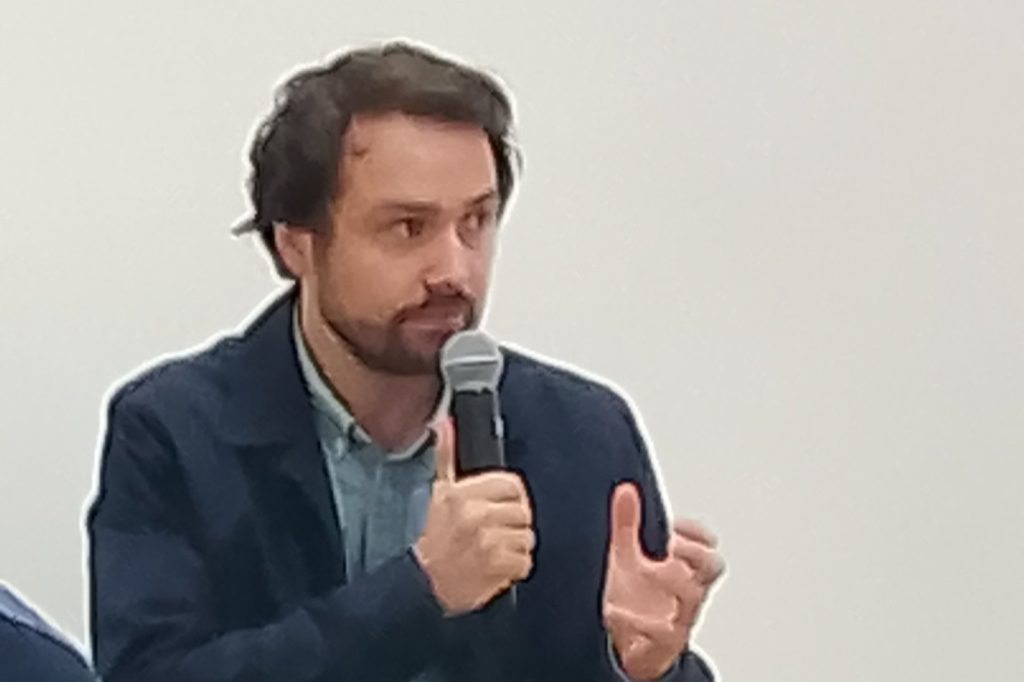
Lucas Chancel, co-director of the World Inequality Lab and editor of the report, acknowledges that the plan may initially appear utopian, but he argues it is achievable without requiring broad sacrifice. Early findings from the research indicate that 98% of people globally could see their incomes increase under this model. The document remains a research output rather than a policy roadmap adopted by any government, and its authors point to the complexity of balancing ecological constraints with economic fairness as the reason for the extended study period.
Planetary Boundaries and Human Survival
The report’s foundation rests on the recognition that Earth’s natural systems set non-negotiable limits on human activity. Earth is the third planet from the Sun and the only known astronomical body that harbors life.
Its crust is composed of tectonic plates that generate volcanoes and mountain ranges, while a liquid outer core produces a magnetosphere that deflects harmful solar wind. Most of the planet’s surface is covered by oceans, with the remainder consisting of continental landmasses. Polar deserts hold massive ice sheets that reflect sunlight and store fresh water.
A dynamic atmosphere composed largely of nitrogen and oxygen shields the surface from ultraviolet radiation and meteoroids. Greenhouse gases such as carbon dioxide trap solar energy, a process essential for maintaining liquid water on the surface.
Differences in sunlight between the equator and the poles drive ocean currents and weather patterns, which in turn enable the cycling of nitrogen and carbon across varied climatic zones. The report stresses that preserving these natural boundaries is not optional for human civilization. Because all economic and social activity depends on a stable environment, the long-term viability of global populations hinges on maintaining the integrity of these planetary systems.
Any significant alteration to the atmospheric balance can disrupt the global climate, with cascading consequences for agriculture, water supplies, and habitable land.
A Long-Term Vision with Measurable Targets
The researchers deliberately chose 2100 as the target date for achieving the work reduction and income goals, giving societies several decades to make the necessary adjustments. The plan does not call for a single quick fix but rather a gradual transition grounded in data and timelines.
Chancel is the first to note that the vision sounds idealistic, yet he also explains why it is not only desirable but physically and economically possible if the global community commits to the framework. The report asks for no sacrifice from the majority of people; instead, early findings suggest that 98% of the world’s population would experience rising incomes under the proposed structure. This combination of ecological sustainability and broad-based income growth is what sets the “Global Justice Report” apart from many previous efforts to address climate change and inequality.
The researchers have put numbers and a timeline to a goal that often remains abstract: a two-and-a-half-day workweek by 2100, supported by a redistribution of resources that maintains planetary boundaries. For now, the report exists as a research document, but its authors hope it will inform future policy debates about how to balance human well-being with the Earth’s finite capacity.
{“@context”: “https://schema.org”, “@type”: “NewsArticle”, “headline”: “Global justice report proposes 2.5-day workweek by 2100”, “description”: “ISLAMABAD, June 30 — A team of more than 40 researchers has spent 20 months constructing what they describe as a comprehensive framework for humanity…”, “datePublished”: “2026-06-30T09:30:00+00:00”, “author”: {“@type”: “Person”, “name”: “Ariel Antonio”}, “publisher”: {“@type”: “Organization”, “name”: “InfoPulse Today”, “url”: “https://newsfeed.infopulsetoday.com/”}}




