
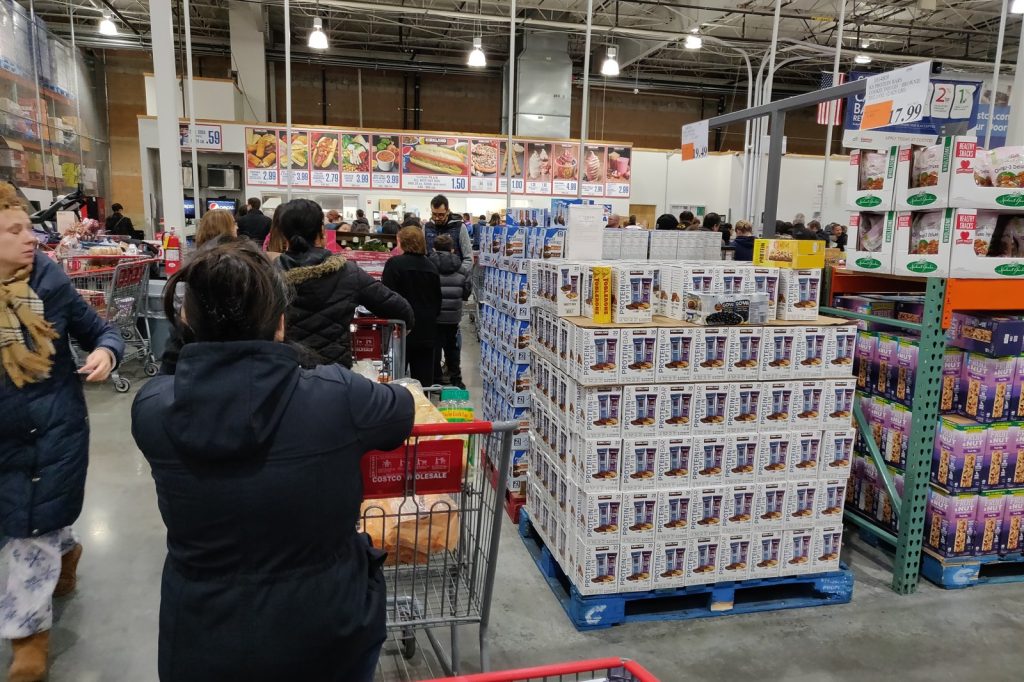
CHICAGO, July 16 — American consumers are pulling back at the grocery checkout line, and the data now confirms a clear pattern. NielsenIQ reported that U.S. grocery unit sales dropped 2.1% in the four weeks ending July 15, 2023, compared to the same period in 2022. That follows a 1.8% decline in June 2023, making this the sixth consecutive month of falling unit volumes across the nation’s supermarkets, mass merchandisers, and club stores.
This is not a one-month blip — it is a sustained contraction in the number of items Americans are putting into their carts. The decline is broad-based, hitting most major food categories including packaged goods, beverages, and dairy.
The Consumer Mindset
NielsenIQ’s Consumer Outlook Survey, released in July 2023, provides the rationale behind the numbers. The survey found that 74% of U.S. consumers are concerned about rising food prices. Even more telling: 62% have already changed their shopping habits — buying fewer items or switching to cheaper brands.
What this signals is a broad recalibration of household spending priorities. Shoppers are not just complaining about inflation at the register; they are voting with their wallets, trading down to private labels and cutting the number of items per trip.
Broad-Based and Persistent
The NielsenIQ data tracks sales across all U.S. grocery channels, giving a comprehensive view of the marketplace. The fact that the decline is not isolated to one region or one type of store — supermarkets, mass merchandisers, and club stores all show the same trend — underscores the breadth of the pullback. This is the sixth straight month of falling unit volumes.
For food manufacturers, the stakes are high: if consumers continue to trade down to cheaper brands, profit margins on premium products will come under pressure. For retailers, the calculus involves managing shelf space, private-label expansion, and promotional strategies to keep traffic flowing.
NielsenIQ, founded in 2013 and headquartered in Chicago, has become a key reference point for the grocery industry. Its data is used by major retailers and consumer packaged goods companies to track market trends and adjust their tactics. The firm’s July survey and sales data together paint a picture of a consumer base that is alert, anxious, and actively adapting.
Looking Ahead
The broader stakes extend beyond the grocery aisle. Consumer spending drives roughly two-thirds of U.S. economic activity, and food is one of the least discretionary categories. When shoppers cut back on groceries, it often precedes pullbacks in other areas.
The next data releases from NielsenIQ and other tracking firms will be watched closely to see whether this trend deepens or stabilizes. For now, the pattern is clear: American shoppers are tightening their belts, and the grocery industry is feeling the squeeze.
The question moving forward is whether this is a temporary adjustment or the beginning of a more sustained shift in consumer behavior.




