The child who died of measles in Hamilton was too young to be fully vaccinated. That is the brutal arithmetic of this disease. The measles vaccine is given in two doses — the first at 12 to 15 months, the second at 4 to 6 years. Infants and toddlers sit in a window of vulnerability. The virus does not wait.
Canada declared measles eliminated in 1998. That status relies on vaccination rates above 95 percent. When coverage drops, the virus returns. Hamilton’s 2021 population stood at 569,353. A single case can become an outbreak fast. Measles is among the most contagious infections known. It lingers in the air for up to two hours after an infected person leaves a room. Nine out of ten unvaccinated people exposed will catch it.
Dr. Natasha Crowcroft, an infectious disease expert, has stressed the need to keep vaccination rates high. The death in Hamilton proves her point. The last Ontario child to die from measles was in 1989. That was 36 years ago. A generation of parents grew up never seeing the disease’s real damage. They may not know what it does.
Measles starts with fever, cough, runny nose, red eyes. Then comes the rash. But complications are common. One in five unvaccinated people who catch it will be hospitalized. One in 1,000 will develop brain swelling that can cause deafness or intellectual disability. One to three in 1,000 die, mostly from pneumonia or encephalitis. Children under five and adults over 20 take the worst of it.
Hamilton’s Medical Officer of Health, Dr. Elizabeth Richardson, said the city is working to prevent further outbreaks. She called vaccination the most effective tool. The city’s health department will likely trace contacts, offer post-exposure shots, and isolate cases. But those are reactive measures. The real defense happens before the virus arrives.
Herd immunity protects the vulnerable. People who cannot be vaccinated — infants, chemotherapy patients, organ transplant recipients — rely on everyone else being immune. When vaccination rates slip, they pay the price. The child who died was in that unprotected group. So were other children in Hamilton. So are children across Ontario.
The Greater Toronto and Hamilton Area is dense and mobile. Measles does not respect municipal boundaries. A case in one city can seed cases in another within days. The virus travels through coughs and sneezes. It spreads before the rash appears, before anyone knows they are sick. By the time a case is confirmed, exposure may have already happened in schools, daycares, waiting rooms, grocery stores.
Vaccination rates have been dropping in parts of Canada. The pandemic disrupted routine childhood immunizations. Misinformation about vaccines spread online. Some parents delay or refuse shots. Measles outbreaks have hit other countries — the United States, Britain, Israel, India. The virus is a global traveler. It lands in Canadian airports regularly.
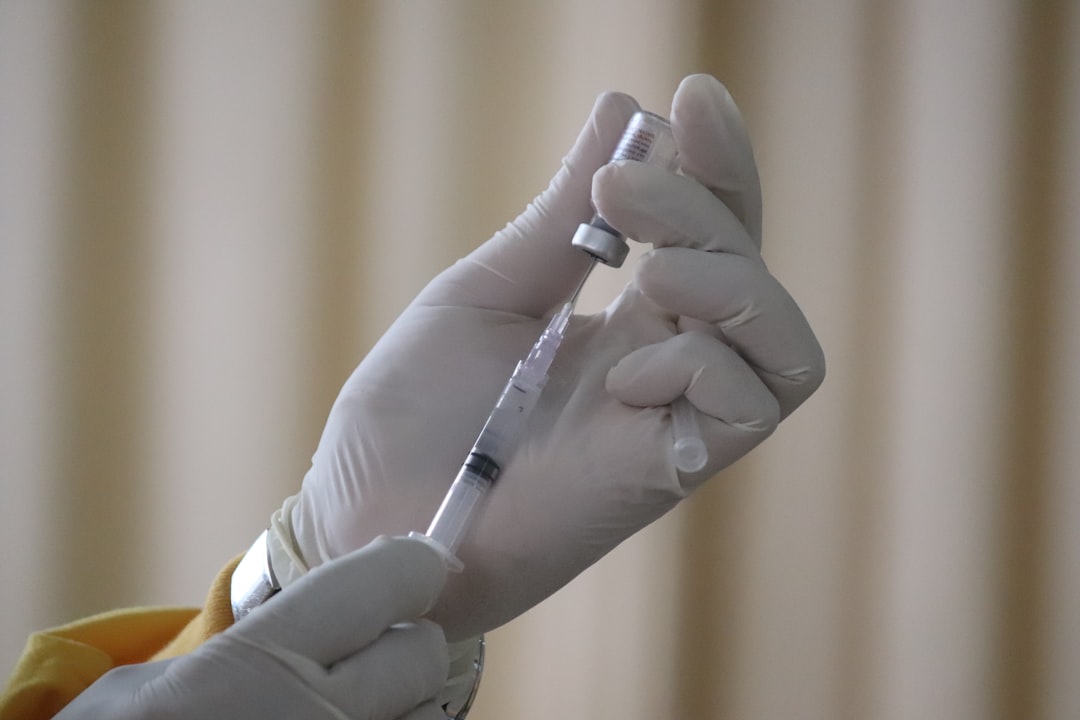
The Hamilton child’s death is the first in Ontario in more than three decades. It is a number that should not exist. Public health officials know what works. The vaccine is safe. It is effective. Two doses give 97 percent protection. The shot has been used since the 1960s. Billions of doses have been given. The science is settled.
What is not settled is human behavior. Parents make choices. Communities drift. The memory of past outbreaks fades. Then a child dies, and the cost of forgetting becomes concrete. Hamilton’s health officials are now scrambling to contain spread. They are urging vaccination. They are reminding people that this disease kills.
The tragedy is that it did not have to. The tools were there. The knowledge was there. The death was preventable. That is the stakes. Not statistics. Not hypotheticals. A real child, in a real city, dead from a disease we know how to stop.