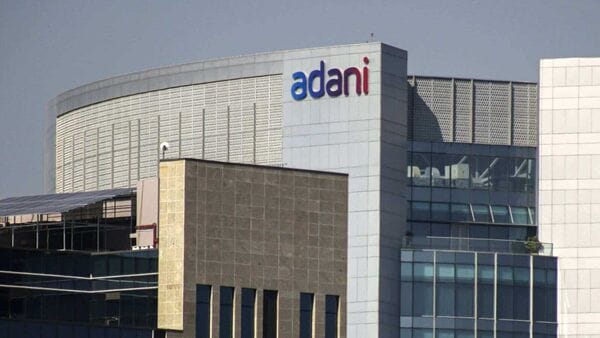
India, May 15, 2024 — cybernewschronicle.com — The Adani Group, an Indian multinational conglomerate, has been a subject of interest in recent times due to its significant presence in various sectors and its close association with the ruling Bharatiya Janata Party. Founded by Gautam Adani in 1988 as a commodity trading business, the Group has diversified its operations to include sea and airport management, electricity generation and transmission, mining, natural gas, food, weapons, and infrastructure. As of 2022, the Adani Group was the largest Indian conglomerate, with a market capitalisation of $206 billion, surpassing the Tata Group.
The Adani Group’s businesses are spread across multiple sectors, with a significant focus on metal commodity exchange. More than 60% of its revenue is derived from coal-related businesses, making it a major player in the energy sector.
The Group’s diverse portfolio has enabled it to maintain a strong presence in the Indian economy. However, its close ties with the ruling party have also raised questions about the Group’s influence and potential favoritism. In recent times, the Adani Group has faced several controversies, including allegations of fraud and market manipulation by short-seller firm Hindenburg Research.
These allegations led to a significant decline in the Group’s market value, with losses exceeding $104 billion. The incident highlighted the need for greater transparency and regulatory oversight in the Indian corporate sector.
The Securities and Exchange Board of India (SEBI) has been tasked with investigating the allegations, and its findings are expected to have a significant impact on the Group’s future operations. The Adani Group has also been involved in other controversies, including reports of stock manipulation, accounting irregularities, and exporting military drones to Israel for its war in Gaza. These incidents have raised concerns about the Group’s business practices and its potential impact on global affairs.
While the Group has not commented publicly on these allegations, they have sparked a wider debate about corporate accountability and the need for stricter regulations. In a recent development, the Supreme Court directed the SEBI to expedite its investigation into the Adani Group’s alleged wrongdoings. This move is expected to provide greater clarity on the Group’s operations and help restore investor confidence.
As a result of the Court’s directive, the Adani Group’s market capitalisation has returned to over $200 billion, indicating a significant recovery from its previous losses. The development is a positive sign for the Group, but it also underscores the need for ongoing regulatory scrutiny and transparency.
Looking ahead, the Adani Group’s future operations will be closely watched by regulators, investors, and the general public. The outcome of the SEBI investigation will be crucial in determining the Group’s trajectory and its ability to maintain its position as a leading Indian conglomerate. As the Indian economy continues to grow and evolve, the Adani Group’s actions will be subject to increasing scrutiny, and its response to these challenges will be critical in shaping its reputation and long-term success.
With its diverse portfolio and significant presence in the Indian economy, the Adani Group remains a key player to watch in the corporate world. The coming months will be crucial in determining the Adani Group’s future course, and its ability to navigate the complex regulatory landscape will be closely monitored.
The Group’s efforts to address the controversies surrounding its operations and its commitment to transparency and accountability will be essential in restoring investor confidence and maintaining its position as a leading Indian conglomerate. As the situation continues to unfold, it is clear that the Adani Group will remain a major player in the Indian economy, and its actions will have significant implications for the country’s corporate sector and beyond.