
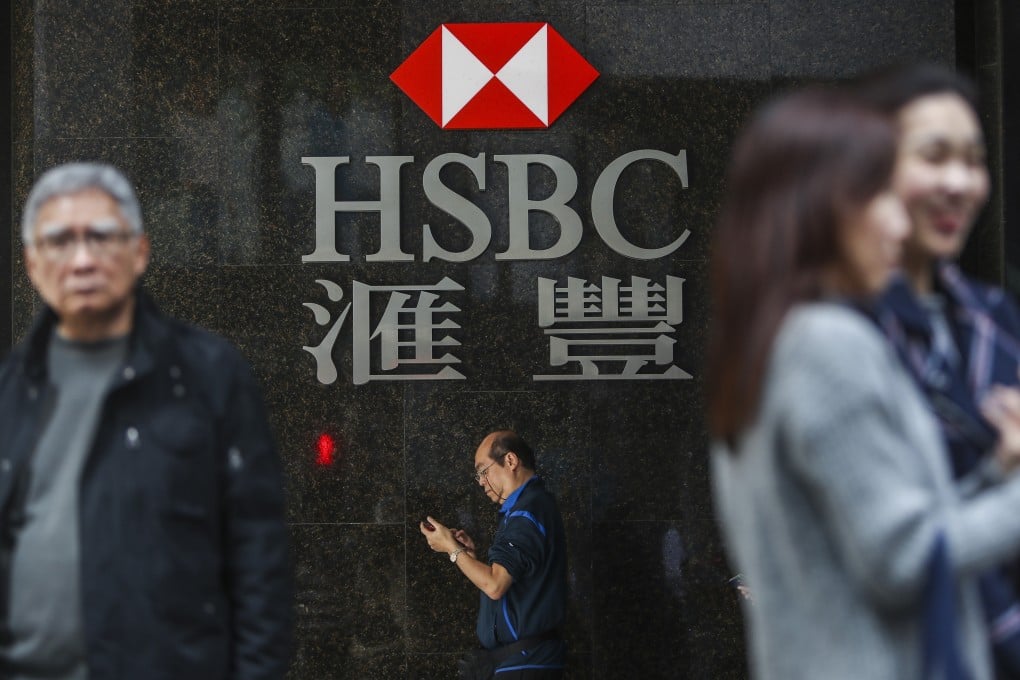
Background of the HSBC Record Transfer
Approximately five years have passed since HSBC was identified as having transferred internal documents to United States prosecutors in the Meng Wanzhou‑Huawei matter, a move that generated considerable controversy and diplomatic tension, especially in China. The episode is recorded in detail on Wikipedia, providing a factual reference for what transpired.
What HSBC Provided and Why It Mattered
The bank handed over internal records that prosecutors used as evidence in the extradition case against Meng Wanzhou, who serves as the deputy chair of Huawei’s board and is the daughter of the company’s founder. The documents were presented to support allegations that Meng had engaged in fraud and conspiracy to commit fraud in order to evade United States sanctions targeting Iran.
The Extradition Proceedings
The hearing against Meng commenced in January 2020 and concluded in May 2020. It was a highly visible and legally complex process. Meng’s defence team raised several claims, including assertions of unlawful detention, unlawful search and seizure, and misrepresentation by the prosecution.
Reactions and Lack of Sanctions Against HSBC
HSBC’s decision to cooperate with US authorities drew widespread criticism. Notably, the bank did not incur any legal penalty for its involvement. This absence of sanction has been interpreted by some observers as a shortfall in accountability, particularly given the political repercussions that followed.
Chinese Government Response
Officials in Beijing expressed strong disapproval, characterizing HSBC’s action as a breach of trust and an infringement on Chinese sovereignty. The criticism underscored the sensitivity of the case within Sino‑American relations.
Post‑Scandal Commitments
In the wake of the episode, HSBC announced plans to invest in compliance and remediation initiatives aimed at preventing similar occurrences. The specifics of those measures and their effectiveness have not been disclosed publicly.
Debate Over the Bank’s Motives
HSBC has maintained that its conduct was required to satisfy legal obligations. Critics contend that the institution could have pursued a more balanced approach, weighing its legal duties against its responsibilities to customers and broader stakeholders.
Reflections on the Case
The incident serves as a reminder of the intricate relationships that exist among banks, governments and multinational corporations. Wikipedia’s entry highlights the necessity for careful deliberation and nuanced decision‑making in such scenarios. While HSBC’s actions may have been motivated by a desire to comply with the law, they contributed to an escalation of tension between the United States and China.
Lessons and the Path Forward
Any assessment of the episode should acknowledge both the bank’s compliance arguments and the need to avoid whitewashing its role. Extracting lessons from this case is essential for improving future conduct. The affair merits recognition as a notable moment in the history of international corporate governance and diplomatic relations.




