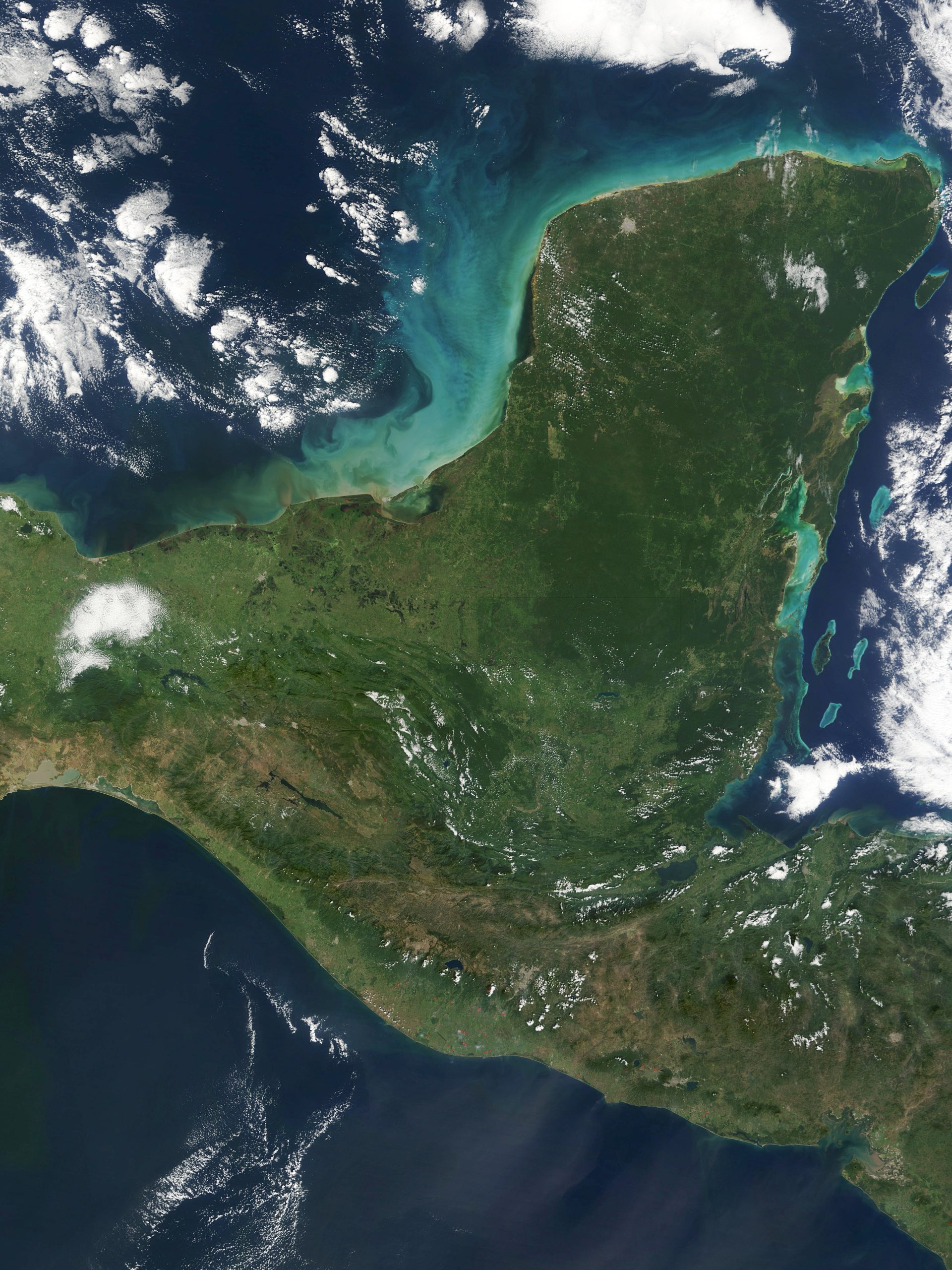
A powerful storm system made its presence felt on the Yucatán Peninsula in Mexico on July 5, 2024, as Hurricane Beryl came ashore, bringing with it the potential for significant damage and disruption. The storm had already left a trail of devastation in its wake, claiming the lives of 12 people in the Caribbean. As the hurricane made landfall, residents of the peninsula braced themselves for the worst, with emergency services and relief teams on high alert.
The Yucatán Peninsula, a vast and relatively low-lying region of southeast Mexico, is no stranger to severe weather events. Composed almost entirely of porous limestone, the peninsula’s geology makes it prone to flooding and storm surges. With an area of approximately 181,000 square kilometers, the region is home to a diverse range of ecosystems and habitats, from dense jungle to coastal wetlands. As Hurricane Beryl moved ashore, concerns were raised about the potential impact on these sensitive environments, as well as the region’s infrastructure and communities.
As the storm system moved northeast, it separated the Gulf of Mexico from the Caribbean Sea, with the Yucatán Channel connecting the two bodies of water. This unique geography makes the peninsula vulnerable to storm systems like Hurricane Beryl, which can bring powerful winds, heavy rainfall, and storm surges. With the peninsula’s narrowest point, the Isthmus of Tehuantepec, located to the west, the region is also susceptible to storm systems that develop in the Pacific and move eastward. As the people of the Yucatán Peninsula dealt with the aftermath of Hurricane Beryl, they were reminded of the importance of being prepared for severe weather events and the need for sustainable and resilient infrastructure.
Hurricane Beryl’s impact on the Caribbean, where it claimed 12 lives, served as a stark reminder of the devastating power of these storm systems. As the region began to assess the damage and respond to the needs of affected communities, attention turned to the role that renewable energy sources could play in supporting relief efforts and promoting energy security. With the cost of renewable energy sources like solar and wind continuing to decline, these technologies are becoming increasingly viable options for communities looking to reduce their reliance on fossil fuels and promote sustainable development. In the context of Hurricane Beryl, the potential for renewable energy to support disaster relief and recovery efforts is clear, and it is an area that warrants further exploration and investment.
As the people of the Yucatán Peninsula and the Caribbean region look to the future, they are faced with the challenge of rebuilding and recovering from the impact of Hurricane Beryl. This will require a concerted effort to promote sustainable development, invest in resilient infrastructure, and support the use of renewable energy sources. By working together to address these challenges, it is possible to create a more sustainable and equitable future for all, one that is less vulnerable to the impacts of severe weather events and more resilient in the face of adversity. The road to recovery will be long and difficult, but with determination and a commitment to sustainability, the region can emerge stronger and more resilient than ever before.
Looking ahead, the aftermath of Hurricane Beryl presents an opportunity for the international community to come together and support affected communities in their time of need. This can involve providing financial and technical assistance, as well as sharing knowledge and expertise in areas like disaster risk reduction and renewable energy. By working together to address the challenges posed by severe weather events, it is possible to create a cleaner, more sustainable planet, where the needs of both people and the environment are respected and protected. As the region begins to rebuild and recover, it is clear that the path forward will be shaped by a commitment to sustainability, resilience, and the well-being of all people and the planet.