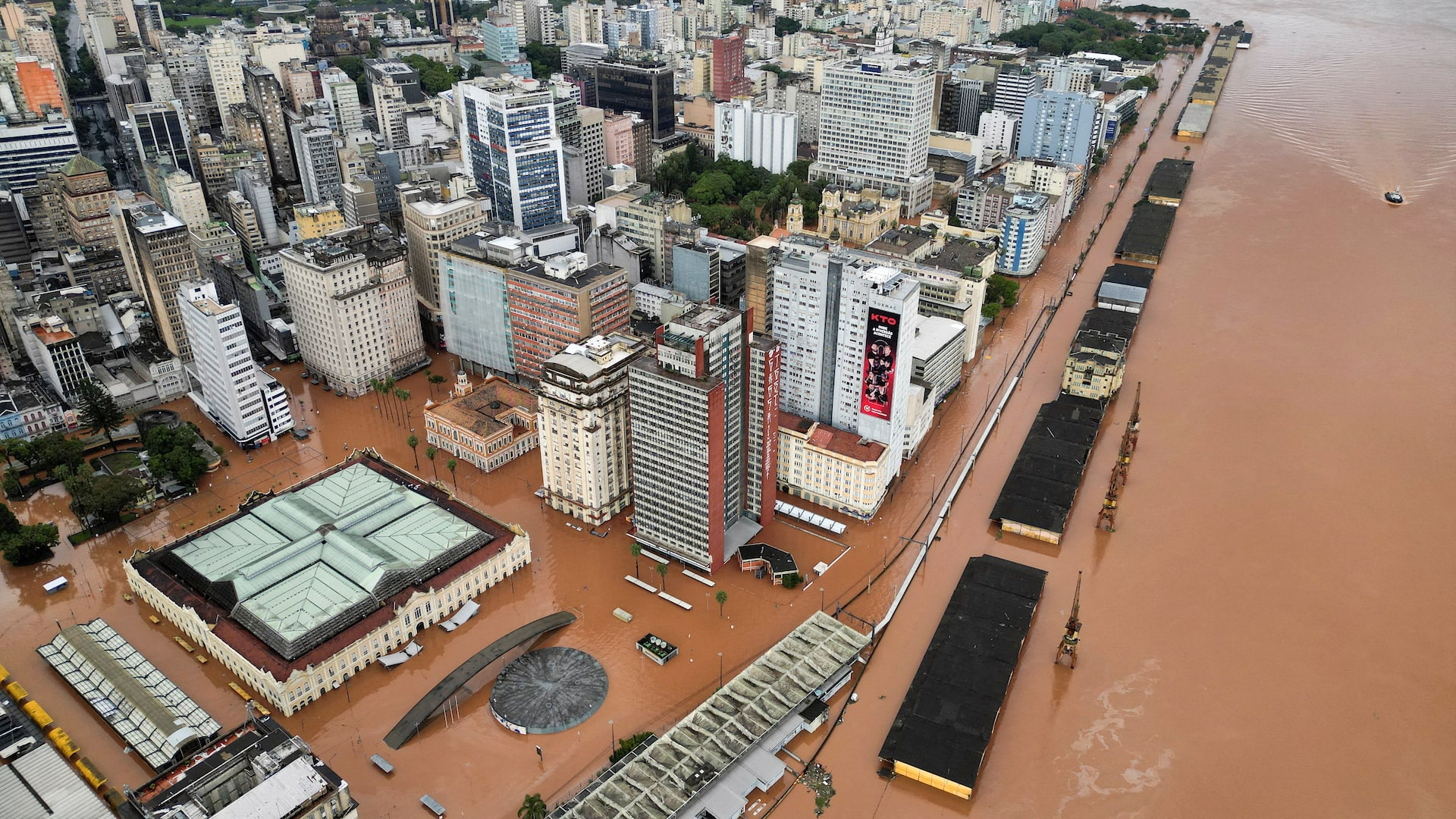
The Brazilian state of Rio Grande do Sul and adjacent Uruguayan cities have been severely affected by heavy rains and storms, resulting in one of the country’s worst flooding disasters in over 80 years. As of July 7, 2024, the floods have caused 181 fatalities, widespread landslides, and a dam collapse, leaving a trail of destruction in their wake.
The flooding, which began on April 29, has been particularly devastating, with the Brazilian state of Rio Grande do Sul bearing the brunt of the disaster. The heavy rains and storms have caused widespread damage, including landslides and a dam collapse, which have further exacerbated the situation. The floods have also affected several Uruguayan cities, including Treinta y Tres, Paysandú, Cerro Largo, and Salto, highlighting the regional impact of the disaster.
The severity of the flooding has been unprecedented, with the disaster being considered the worst in Brazil in over 80 years. This is not an isolated incident, as Brazil has experienced several environmental disasters in the past 12 months. Similar calamities occurred in July, September, and November 2023, resulting in the loss of 75 lives. The frequency and severity of these disasters highlight the need for increased awareness and preparedness to mitigate the impact of such events.
The floods have had a significant impact on the region, causing widespread destruction and displacement. The collapse of a dam has further added to the misery, causing additional flooding and damage to surrounding areas. The situation is being closely monitored, and efforts are being made to provide relief and support to those affected. The international community is also likely to be watching the situation closely, given the regional impact of the disaster.
The Uruguayan cities affected by the floods, including Treinta y Tres, Paysandú, Cerro Largo, and Salto, are also struggling to cope with the aftermath of the disaster. The floods have caused significant damage to infrastructure, homes, and livelihoods, leaving many without access to basic necessities. The regional impact of the disaster highlights the need for cooperation and support between countries to mitigate the effects of such events.
As the situation continues to unfold, it is essential to monitor the developments closely. The coming days and weeks will be crucial in determining the full extent of the damage and the effectiveness of the relief efforts. It is also important to consider the long-term implications of the disaster and the need for sustainable solutions to prevent or mitigate the impact of such events in the future. As of July 7, 2024, the focus remains on providing relief and support to those affected, and the international community will be watching closely to see how the situation develops.
Looking ahead, it is crucial to watch for updates on the relief efforts and the ongoing impact of the floods. The Brazilian and Uruguayan governments, along with international organizations, will likely be working together to provide support and assistance to those affected. The effectiveness of these efforts will be critical in determining the speed and extent of the recovery. As the situation continues to evolve, it is essential to stay informed and monitor the developments closely to understand the full implications of the 2024 Rio Grande do Sul floods.