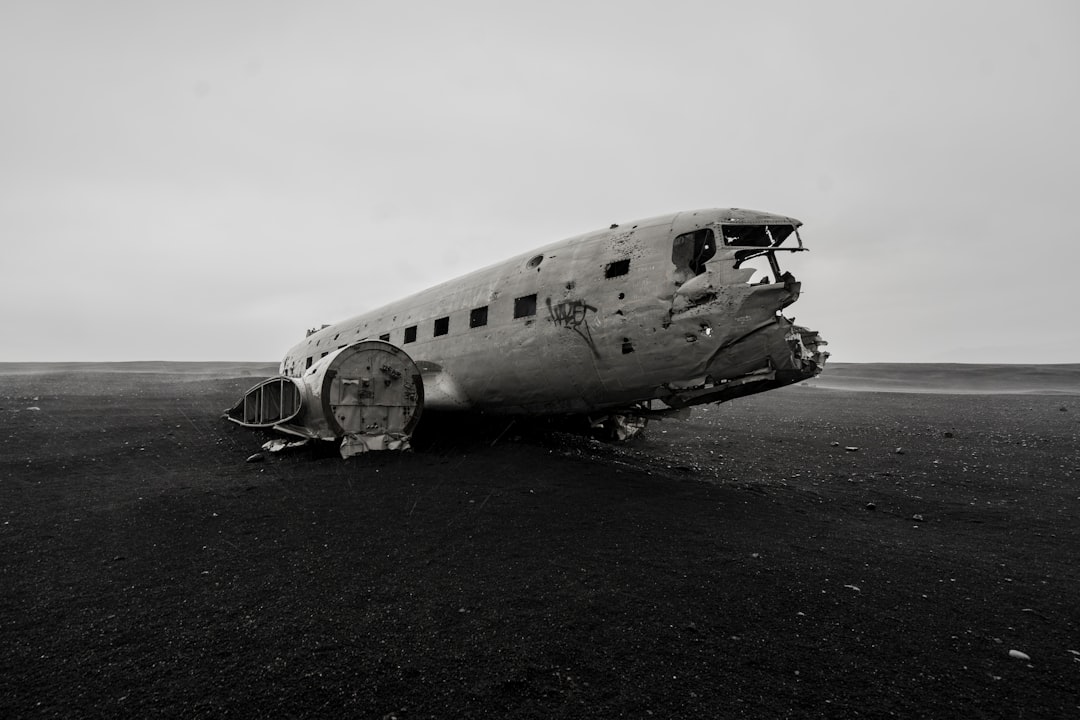
A remote stretch of eastern Iceland is now the site of an investigation, after a Cessna plane went down on July 9. Three people died. The crash has turned attention to the unique dangers of flying in that part of the country.
The Eastern Region is rugged. It is beautiful. It is also a place where weather can shift fast. Fog can roll in. Winds can funnel through valleys. Those conditions are well-known to local pilots. They are also the kind of factors that accident investigators will weigh heavily. The report on the incident notes the region’s “challenging weather conditions” and “unique landscape.” These are not abstract concerns. They are concrete hazards that have now claimed lives.
For the families of the three victims, the fallout is immediate and personal. They face a long wait for answers. Investigations into small plane crashes often take months. The Icelandic transport safety board, or its equivalent, will lead the work. They will look at the wreckage. They will study maintenance records. They will check the pilot’s history. They will examine weather data from the hour of the crash. None of this will bring back the dead. It may, however, prevent the next accident.
The broader effect touches general aviation in Iceland. That community is small. A crash like this ripples through it. Pilots who fly Cessnas in the region will think twice about their own flights. They will check forecasts more carefully. They may reconsider routes over the most remote terrain. The accident becomes a case study. It is discussed in hangars and flight schools. It becomes part of the unwritten knowledge that keeps pilots alive.
Textron Aviation, the current owner of the Cessna brand, will also be watching. The company has a long history. Cessna has been building planes since 1927. The company was founded by Clyde Cessna and Victor Roos in Wichita, Kansas. It was sold to General Dynamics in 1985. Textron bought it in 1992. Textron later added Beechcraft and Hawker to its portfolio in 2014. The brand is a workhorse of general aviation. Cessnas are used for private flying, flight training, and business travel. They are everywhere. That ubiquity means any crash draws attention. It raises questions about the fleet’s safety. Investigators will look for design flaws or manufacturing defects. They will also look for pilot error or maintenance failures. Textron will have to respond to whatever the probe finds.
The crash also puts pressure on safety regulators. Iceland’s aviation authority will face scrutiny. How well does it oversee general aviation? Are there gaps in training requirements? Are weather reporting systems adequate for the Eastern Region? These questions will be asked publicly. They will be asked internally. The answers could lead to new rules or new equipment.
For now, the details are still thin. The report says the incident happened on July 9. The plane was a small Cessna. Three people died. The location is the Eastern Region. That is all that is confirmed. The rest is speculation. But the pattern of such crashes is well-documented. Small planes are more vulnerable to weather than airliners. They lack the same redundancy. They fly lower. They fly in more remote areas. When something goes wrong, the margin for error is small.
The people who died had names. They had reasons for being on that flight. They were likely heading somewhere specific. Maybe they were on a sightseeing trip. Maybe they were traveling for work. Maybe they were visiting family. The report does not say. But the crash ended those plans. It left behind grief. It left behind questions. And it left behind a lesson for everyone who flies small planes in Iceland: the landscape is unforgiving. The weather is unpredictable. The risks are real.