
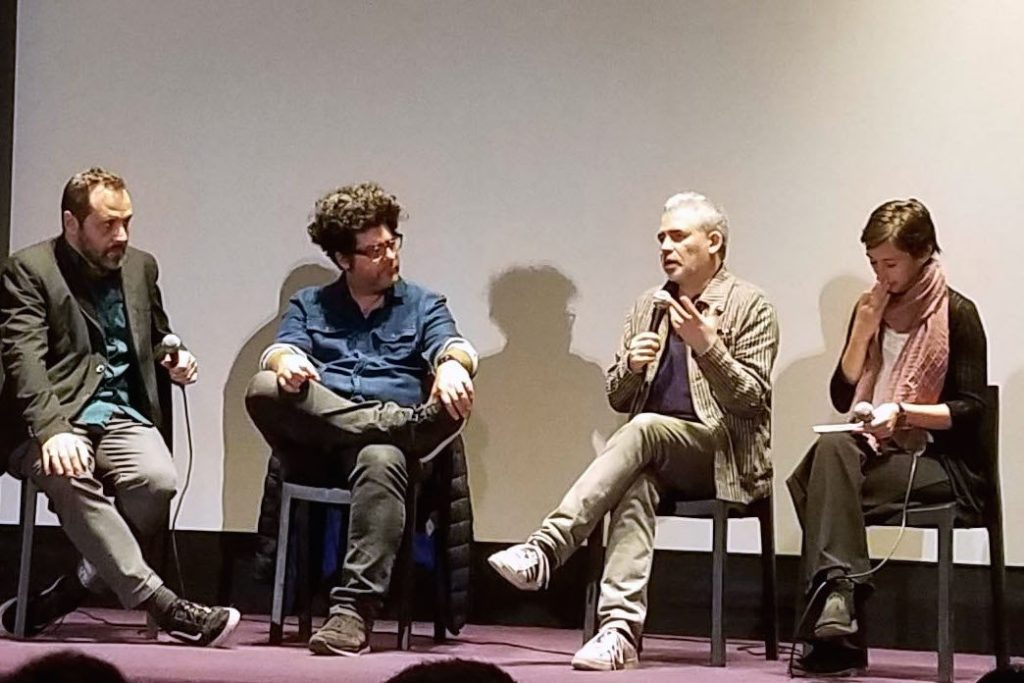
The first meetings were held in private. Sources say three family offices in Los Angeles and New York have already sat down with the group. No money changed hands.
No fund exists yet. But the conversations happened.
It started with a problem. Independent film financing has gotten harder. Traditional studio backing has narrowed.
Streaming platforms are tightening their original content budgets. The people who make movies for a living saw the walls closing in.
Someone in the coalition — a group of actors and producers — looked backward for a way forward. They found the Medici family. Leonardo da Vinci and Michelangelo both worked under Medici patronage.
Jackson Pollock had Peggy Guggenheim. The principle was simple: wealthy individuals fund artists. The artists get to work.
The patrons get recognition and access. The group decided to try the same thing for independent film.
They are calling it a structured patronage system. The idea is straightforward. Match filmmakers with high-net-worth individuals.
Those individuals commit money to projects. In exchange, they get credit in film titles and at festivals.
They do not necessarily get profit. They do not get creative control. That last point is spelled out in the white paper the organizers are circulating.
The document describes how the fund would operate. It emphasizes that patrons would have no creative control. The filmmakers keep their vision.
The money comes with strings attached — but those strings are about credit, not content. The timing is deliberate.
The group argues that direct patronage can bypass the gatekeepers entirely. No studio executives. No streaming algorithm.
No greenlight committee. Just an artist and a backer.
Several prominent actors have signed on as public advocates. Their names have not been released. The roster is described as including multiple Oscar nominees.
They are not named in the materials given to potential backers. But they are there. The proposal is still in its early stages.
No capital has been committed. No fund has been formally established.
The white paper is still being shopped. The meetings with family offices are still exploratory. The group is testing whether the Renaissance model can work in Hollywood.
The record shows this has been done before. Artists have long depended on wealthy patrons to fund their visions.
The coalition is betting that what worked for da Vinci can work for a director with a script and no studio deal. The next steps are unclear. The group has not announced a timeline.
They have not set a fundraising target. They have not named the actors publicly. They are still in the phase where ideas are floated and interest is gauged.
But the meetings happened. The white paper exists.
The actors are on board. The family offices are listening. The model is being built, piece by piece, from the ground up.
Whether it works depends on whether the money shows up.




