Seismic Reality: What Friday’s 5.8 Magnitude Quake Says About Life on the Ring of Fire
YOGYAKARTA, Indonesia — The ground shook for seconds. People fled into the streets. One person died. Two were hurt. By Saturday morning, the 5.8 magnitude earthquake in Bambanglipuro district was already fading from global headlines. But for geologists and emergency planners, the event was routine. Not in its human cost. In its predictability.
Indonesia is the most seismically active country on Earth. That is not a statistic from a disaster report. It is a geological fact from the United States Geological Survey. The nation sits at the convergence of several major tectonic plates. They grind, slip, and rupture constantly. Smaller tremors are a near-daily occurrence. Larger ones arrive on a brutal schedule.
USGS records show Indonesia has suffered more than 150 earthquakes of magnitude 7 or greater between 1901 and 2019. On average, a magnitude 7 quake hits every year. A magnitude 8 or larger event comes roughly once per decade. Friday’s 5.8 magnitude tremor was not among the strongest. It was a reminder of the baseline risk.
The Yogyakarta region knows this intimately. In 2006, a devastating earthquake killed thousands. That memory does not fade. Witnesses to Friday’s quake described panic. People scrambled from homes and workplaces. The ground shook violently. Then it stopped. Emergency teams deployed quickly to search for survivors and provide medical aid.
But the danger does not stop at the tremor. Volcanic eruptions and landslides often follow seismic events in Indonesia. The same tectonic forces that cause the quakes shape the volcanoes that dot the archipelago. A 5.8 quake can destabilize slopes. It can trigger ash releases from already active peaks. Those secondary hazards compound the dangers for local populations.
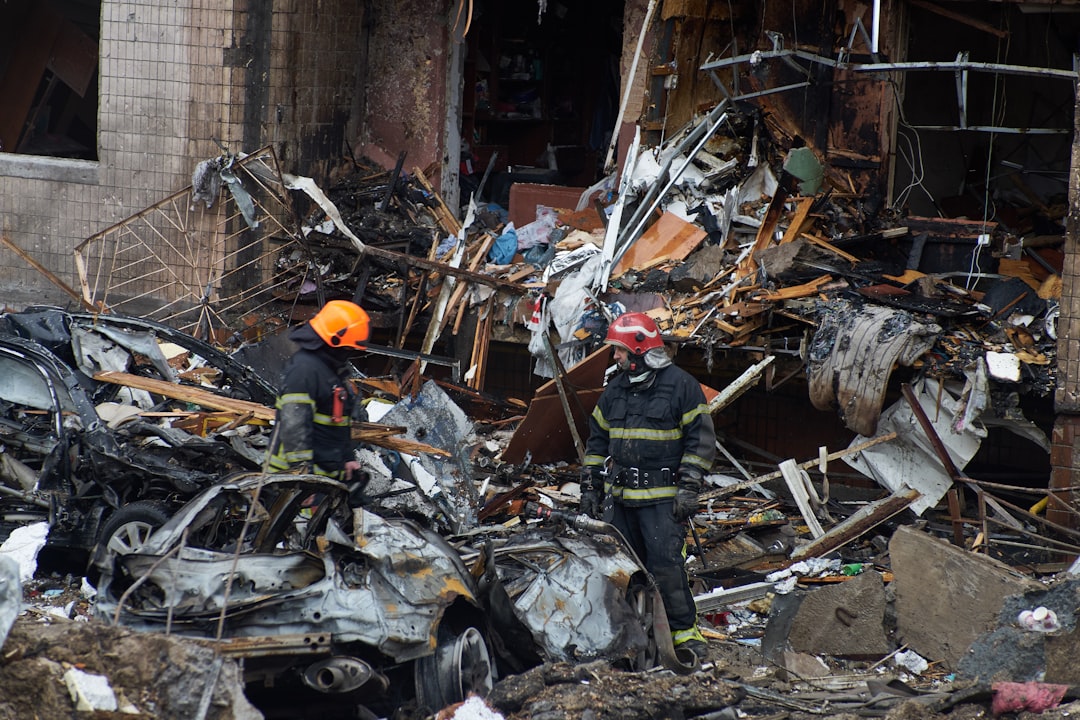
The shallow depth of Friday’s quake made it more destructive. Shallow earthquakes release energy closer to the surface. They shake buildings harder. They kill more people per unit of magnitude. Detailed assessments of structural damage in Bambanglipuro are still underway. But the pattern is familiar. Older buildings collapse. People get trapped. Rescue teams dig.
What does this mean for communities across the archipelago? It means the threat is constant. There is no earthquake season. There is no warning system that stops the ground from moving. The only defenses are building codes, early warning systems, and public drills. Those defenses are tested every year.
The 5.8 magnitude event in Bambanglipuro killed one person. That is one too many for the families involved. But compared to the 150 large quakes recorded in the last 118 years, it was a small event. The real question is not whether a bigger one will come. It is when. And whether the communities in its path are ready.
Friday’s tremor did not change Indonesia’s geology. It did not alter the plate boundaries. It did not surprise the scientists. It was a predictable release of stress along a fault line. The only variable is where the stress releases next. The only certainty is that it will.