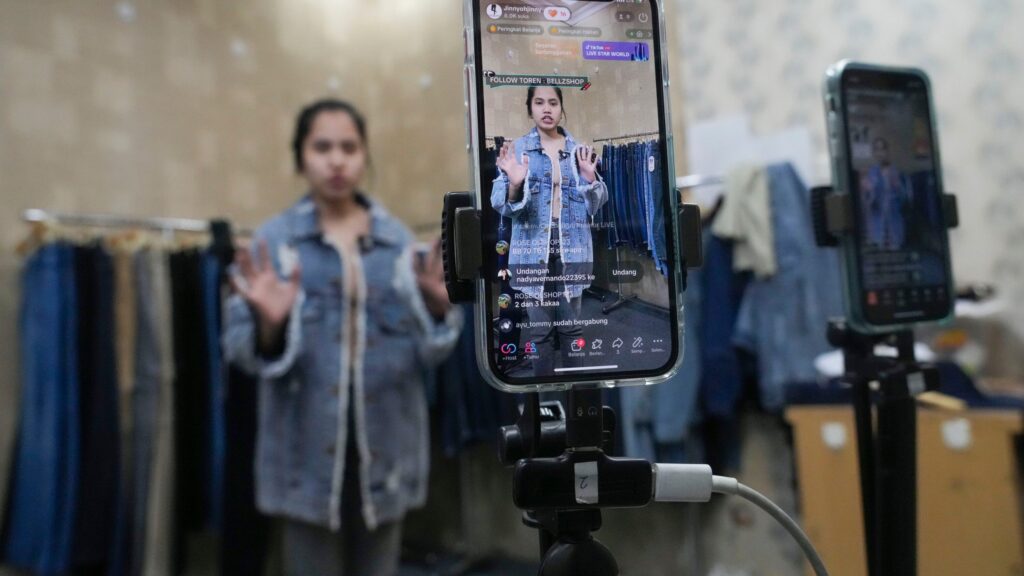
On 4 October 2023, Indonesia enacted Trade Minister Regulation No. 31 of 2023, which bars social‑media platforms from conducting direct e‑commerce transactions. The rule forces companies such as TikTok to separate their shopping services from the main social app or risk penalties, effectively ending TikTok Shop’s operations within the country.
Trade Minister Zulkifli Hasan announced the regulation in a press briefing on 3 October, emphasizing the need to keep social‑media and e‑commerce functions distinct. “Social commerce platforms must separate their e‑commerce features from their social media features. This is to prevent the misuse of personal data and to ensure fair competition with local businesses,” he said.
The minister added that the measure aims to protect roughly 64 million micro, small and medium enterprises (MSMEs) from being out‑priced by heavily subsidised foreign platforms. TikTok, which counts more than 125 million Indonesian users, confirmed on 4 October that it would comply with the new law.
In a statement, the company said it respects Indonesian regulations and would work with authorities to determine the best way forward, though it did not detail how it would restructure its services. TikTok has invested billions of dollars across Southeast Asia and has signalled its intention to stay in the market.
Why the Ban Was Imposed
Indonesian merchants and trade groups have long complained that TikTok Shop’s aggressive pricing, backed by substantial subsidies from parent company ByteDance, undermines local sellers. The Indonesian E‑Commerce Association reported that more than 30 % of its members experienced revenue drops after TikTok Shop expanded.
In parallel, data‑privacy concerns were raised, with the Ministry of Communication and Informatics warning that a platform controlling both social interaction and commerce could monopolise user attention and data. Under the new rule, e‑commerce transactions must be processed through separate, licensed platforms that are subject to Indonesia’s data‑protection statutes. Violations can attract fines up to 1 billion rupiah (about $64,000) and possible suspension of business licences.
Regional Ripple Effects
The Indonesian decision has triggered a reassessment of social‑commerce policies across Southeast Asia. Vietnam and Malaysia have announced reviews of their own regulations, while the Philippines is drafting legislation to curb foreign e‑commerce platforms that undercut domestic sellers. According to Momentum Works, a Singapore‑based research firm, TikTok Shop generated roughly $4.4 billion in gross merchandise value across Southeast Asia in 2022, with Indonesia contributing close to 60 % of that total.
TikTok has previously highlighted its role in helping small businesses reach customers, claiming over 2 million Indonesian sellers used the service in September 2023, 70 % of whom were micro‑enterprises, and noting its training programmes for local merchants.
Possible Paths for TikTok
To meet the regulatory requirements, TikTok is exploring several options. One route could involve launching a standalone e‑commerce app, mirroring ByteDance’s approach in China with Douyin and Douyin Mall.
Another possibility is forming a partnership with an existing Indonesian marketplace such as Tokopedia or Bukalapak, operated by the GoTo Group. Trade Minister Hasan warned that the government will enforce the law strictly, stating on 4 October, “We will not hesitate to impose sanctions on any platform that violates the regulation. The law is clear.”
Reactions from Local Sellers
Small‑business owners have expressed mixed feelings. Rina Wulandari, a clothing retailer in Jakarta who previously relied on TikTok Shop, said the ban creates short‑term difficulties but could eventually level the playing field for local merchants.
The Indonesian ban marks a significant shift in the country’s digital‑economy strategy, prioritising the protection of domestic enterprises and user data over the convenience of integrated social‑commerce. Whether other nations will adopt a similar framework remains to be seen, but the discussion on the role of social platforms in online retail is now firmly underway throughout the region.