
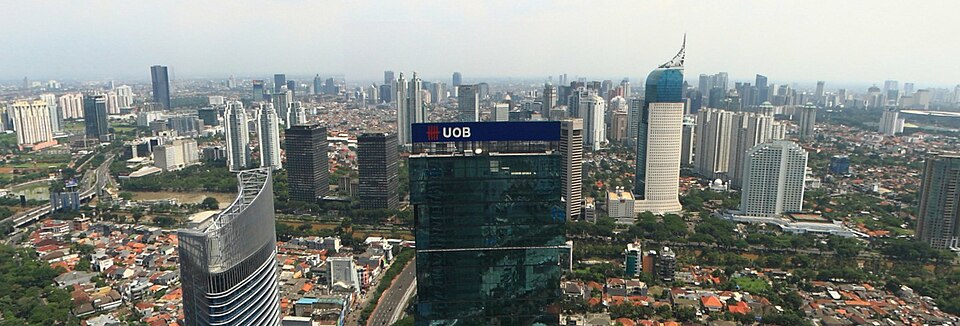
The Jakarta Composite Index is clinging to a critical threshold. It gave up a huge chunk of ground over two days before Monday’s session. Tuesday threatens more of the same.
For millions of Indonesian families, that is not an abstract number on a screen. It is a direct hit to their savings, their spending power, and their sense of security.
This is a market that had already been sliding. The report puts it plainly: the index “may take further damage.” The trigger is global. Asian markets are expected to follow Europe and the U.S. lower.
Technology shares are weak. Interest rate jitters are back.
The Federal Reserve, now under Kevin Warsh, has announced its latest policy decisions. The Bank of Japan is making moves. China has released fresh economic data.
Each of these is a separate weight on the scale. Together, they tip it against Jakarta. What does that mean for a family in a suburb of Jakarta?
It means the value of their mutual fund drops. It means the pension fund their employer manages takes a hit.
It means the small business owner who borrowed against stock holdings to buy inventory suddenly faces a margin call. Consumer spending tightens. That tightening ripples outward.
A restaurant sees fewer customers. A factory gets a smaller order.
A driver finds fewer fares. The market is not a casino for the wealthy here. It is a proxy for the broader economy, and the broader economy is what puts food on the table.
Major central banks have been the dominant story in economic news for weeks. The Fed’s decisions, the BOJ’s moves, the data out of China — these are not distant policy debates. They are the forces that shift the ground under local markets.
The report stresses that these developments “can have far-reaching consequences for communities and families across Asia.” That is not a vague warning. It is a description of what is already happening.
When the Fed signals it will keep rates higher for longer, emerging markets like Indonesia feel the squeeze. Capital flows out. The rupiah weakens.
Imported goods cost more. Inflation becomes a bigger threat.
Monday’s session was bad. The report says the index “sits just above a significant threshold.” That language suggests a line in the sand. If Tuesday breaks that line, the psychology of the market shifts.
Fear replaces caution. Selling accelerates. That is when the damage becomes harder to reverse.
The report notes the downturn “can be unsettling for people who have their savings invested.” That is an understatement. It can be devastating.
A retiree who needs to draw down a portfolio gets less. A young couple saving for a house sees their down payment shrink. The stock market is supposed to build wealth over time.
A sharp, sustained decline does the opposite. The outlook is not optimistic.
The global forecast for Asian markets is “mixed to lower.” That is analyst-speak for “don’t expect a rescue.” The European and U.S. markets were mixed to lower. The pattern is consistent. The Asian bourses are expected to follow suit.
There is no catalyst visible that would reverse the trend. No surprise stimulus. No unexpected good news.
Just the grind of higher rates, weaker tech stocks, and uncertain growth. What to watch next.
The threshold the index is sitting on. The Fed’s next signals. The BOJ’s policy trajectory.
Any fresh data out of China. And, most of all, whether the selling accelerates or finds a floor.
For the families and communities tied to this market, the next few days matter a great deal.




