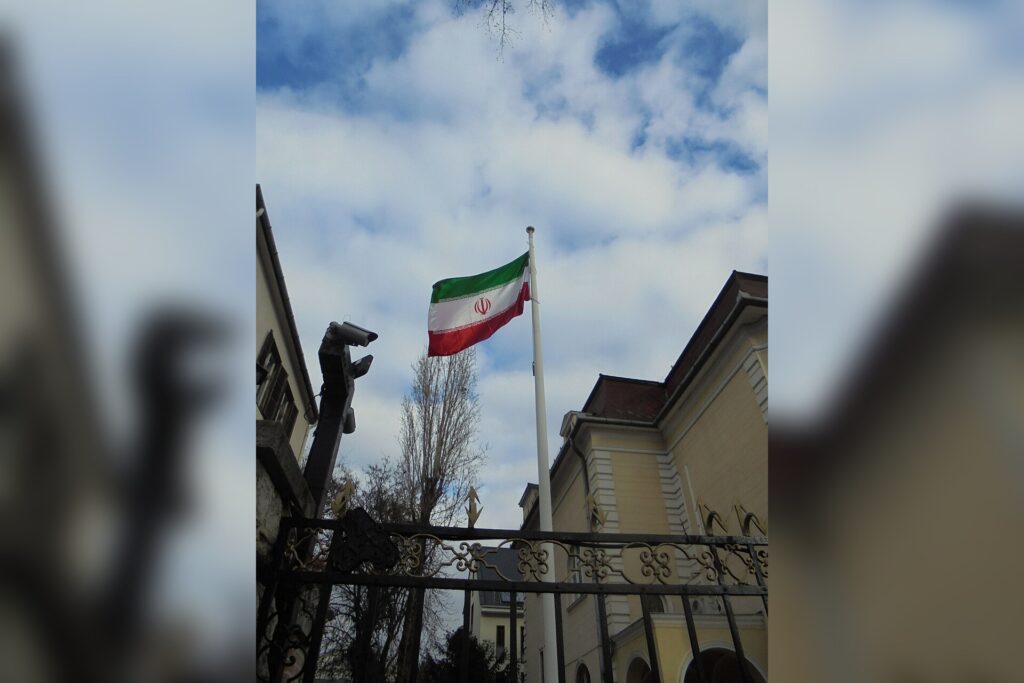
Cairo, August 21 — Iran’s President Hassan Rouhani declared on Friday that the country is in a “position of strength” and urged an end to the ongoing regional conflict, a statement that has sent ripples through financial markets tracking sovereign debt in the Middle East. The remark, widely reported by outlets including Middle East Eye, Courthouse News, and France 24, underscores the geopolitical sensitivity of high-level political messaging in a region where tensions directly impact borrowing costs.
Rouhani’s framing of Iran as a credible party in potential negotiations could shift investor perceptions, though no concrete steps or timelines for de-escalation were outlined. Market analysts note that such statements from Iran’s leadership are closely scrutinized because they influence risk pricing.
If the president’s call for peace is seen as sincere, it could ease the risk premiums that governments in the region face when issuing debt. Conversely, ambiguity or a lack of follow-through might keep borrowing costs elevated. The source material does not provide specific data on bond yields or currency movements, but the timing of the statement—during a period when regional conflicts remain a dominant market narrative—suggests investors are already recalibrating their expectations.
Geopolitical Risk and Sovereign Debt
The connection between political rhetoric and financial markets is particularly pronounced in Iran, where the economy operates under layered external pressures. Sanctions, inflation, and limited access to global capital have long constrained the country’s fiscal flexibility. Rouhani’s statement arrives at a moment when regional borrowing costs are already sensitive to any shifts in conflict dynamics.
Investors in sovereign debt from countries like Lebanon or Iraq, for instance, may reassess their risk calculations if they perceive a de-escalation in the broader conflict. However, the absence of specific figures in the source material means any analysis remains speculative.
There are no reported changes to Iran’s bond yields, nor any direct quotes from market participants about immediate reactions. What is clear is that the president’s words have introduced a new variable into an already volatile equation. The credibility of his statement will likely hinge on whether it translates into actionable steps, such as diplomatic overtures or unilateral moves to reduce hostilities.
A key consideration is the regional context. The conflict, which involves multiple actors and has roots in decades of political and sectarian divides, has created a climate of uncertainty.
When a major player like Iran signals a willingness to negotiate from a position of strength, it can alter the calculus for neighboring nations and global investors. Yet, the source does not name specific countries or entities that might be affected, nor does it detail the nature of the conflict beyond the general reference to regional tensions.
Market Sentiment Under Scrutiny
Investor sentiment in the region is notoriously reactive to geopolitical signals. Even without concrete data, the mere possibility of reduced conflict can influence capital flows. For governments in the Middle East, this means lower borrowing costs could free up resources for domestic priorities, while higher costs might force austerity measures or increased taxation.
The source material does not specify which countries might benefit or suffer from Rouhani’s statement, but the principle remains: political statements from key regional actors carry financial weight. Market participants will now watch for follow-through.
If Iran’s government moves beyond rhetoric to engage in tangible de-escalation efforts, the financial markets could respond with tangible adjustments. Conversely, if the statement is viewed as a strategic bluff or an attempt to stabilize domestic opinion without addressing external pressures, the impact on borrowing costs may be short-lived. The statement also raises questions about the role of leadership in shaping economic outcomes.
In a country where economic hardship is compounded by sanctions and internal discontent, Rouhani’s appeal for peace could be seen as both a diplomatic gesture and a domestic necessity. However, the source does not delve into the internal motivations behind the statement, nor does it name any specific groups or stakeholders within Iran that might be influenced by the rhetoric.
What remains is a financial market that is finely tuned to the signals of regional stability. The president’s words, while not backed by specific numbers or immediate actions, have introduced a new layer of complexity to an already challenging economic landscape. For now, the focus is on whether this signal will lead to measurable change—or if it will be another example of political messaging that fails to translate into tangible results.