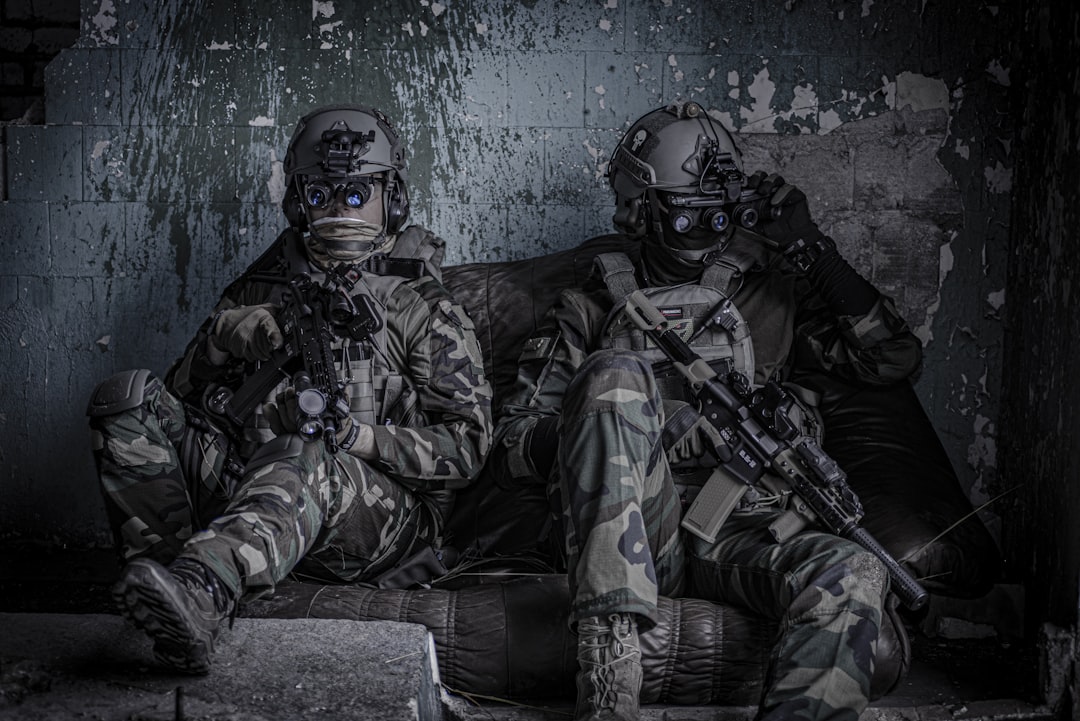
Two United Nations peacekeepers are recovering from injuries after Israeli forces struck a watchtower at their headquarters in southern Lebanon on October 11. The attack did not simply wound two individuals. It shook the foundation of a mission that has stood for 46 years.
The United Nations Interim Force in Lebanon, known as UNIFIL, was created in 1978. Its job: keep the peace along a volatile border that has seen war, invasion, and occupation. The Security Council authorized it. The Department of Peace Operations runs it. For nearly five decades, it has been a quiet presence in a loud neighborhood.
Now that presence has been fired upon. The implications are immediate and ugly.
UN peacekeepers operate under a basic bargain. They carry weapons, mostly for self-defense. They monitor ceasefires. They report violations. They are not supposed to be targets. When a state actor—any state actor—opens fire on a UN position, the bargain breaks. Every blue helmet in every mission worldwide becomes a little less safe.
The United Nations has called for an investigation. That is standard. What matters is whether anyone gets answers. The Israeli government has not commented. Silence in these situations is rarely a good sign. It suggests either confusion, denial, or a decision to wait and see how the story plays.
The United States is watching. Washington has been a strong supporter of UN peacekeeping. It also backs Israel heavily. Those two commitments are now grinding against each other. The Biden administration faces a familiar squeeze: stand by an ally or defend the international order it helped build. The White House has not yet spoken publicly on the incident. That will change.
On the ground in southern Lebanon, the effect is more direct. UNIFIL patrols the area between the Litani River and the Israeli border. Its troops come from dozens of countries. They live in bases like the one hit Thursday. They drive white vehicles with big black letters. They are easy to spot. They are also, until now, treated as neutral.
That neutrality took a bullet.
Hezbollah operates in the same region. The Iranian-backed group and Israel have traded fire for months. The UN mission sits between them. Its job is de-escalation. But when one side shoots at your watchtower, de-escalation gets harder. The peacekeepers can no longer assume they are off-limits. Their movements, their patrols, their very presence becomes a risk calculation.
Some missions will be curtailed. Some observation posts will be left empty. The UN will tighten security. That means less monitoring, less reporting, less deterrence. The border becomes more opaque. Tensions rise. That is the chain reaction from one round of fire.
The broader context matters. This is not 1978. The region is more fractured. Syria is collapsed. Lebanon is bankrupt. Israel is fighting a multi-front conflict. The UN itself is under strain, with peacekeeping facing budget cuts and political attacks from major powers. A direct attack on a UN position in this environment is not a mistake. It is a message.
Who sent the message is clear. Israeli forces fired. Why they fired is the question the investigation must answer. Was it a warning? A targeting error? A deliberate escalation? The answer determines what happens next.
If it was a mistake, Israel will apologize. The UN will accept. Life resumes. If it was deliberate, the calculus changes. The Security Council gets involved. Resolutions get drafted. Sanctions get discussed. The US gets squeezed harder.
For now, two peacekeepers are hurt. A mission is shaken. A border waits. The watchtower is empty. The silence from Jerusalem is loud.