
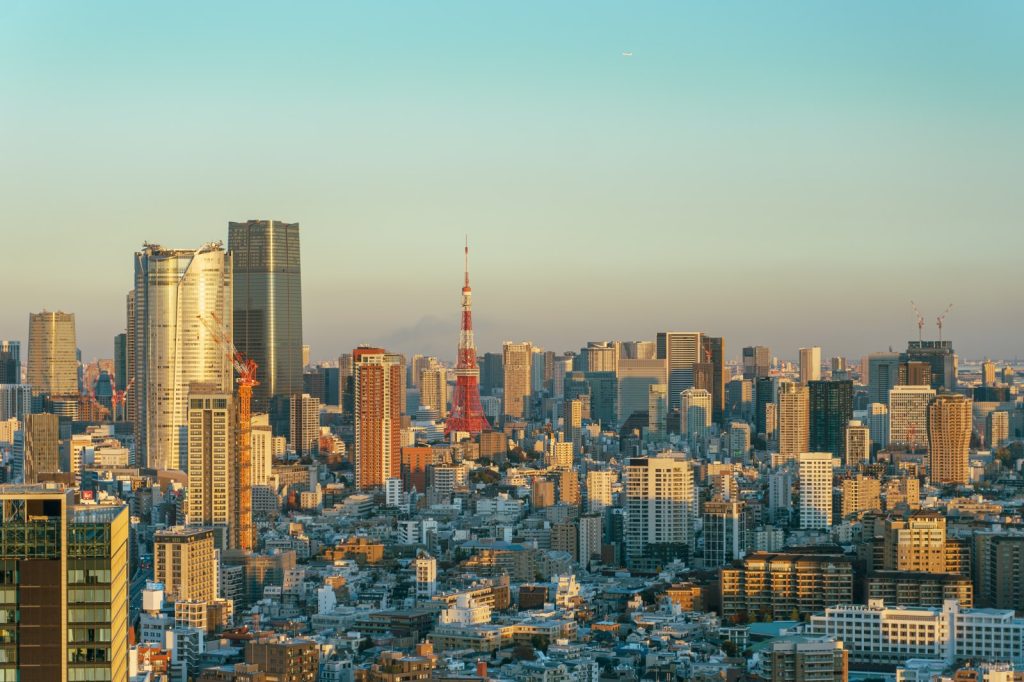
TOKYO — The disposable camera was new. Halley’s Comet was overhead. And Japan was the world’s richest trade nation.
That was 1986. The yen then was strong and getting stronger.
Today it sits in the 162 range against the dollar — a forty-year low. The country that once sold everything to everyone now buys more than it sells. The trade surplus of 13 trillion yen has flipped to a deficit of nearly 3 trillion yen.
Cheap Japan, they call it now. Not Japan as No. 1.
The shift hits home in ways big and small. For a family in Osaka planning a trip to Hawaii, every dollar of spending now costs more yen than it did a year ago. For the farmer in Hokkaido buying imported fertilizer, the price has climbed.
For the retiree living on a fixed pension, the grocery bill keeps rising as food imports get more expensive. But not everyone loses. Foreign tourists flood into Tokyo’s Asakusa district, snapping up souvenirs at prices that look like bargains.
Investors with dollars buy Japanese real estate for what feels like pocket change. Exporters like Toyota and Nintendo see their overseas earnings swell when converted back to yen.
The core problem is simple. The United States pays higher interest rates on dollars than Japan pays on yen. Money flows to where it earns more.
So investors sell yen and buy dollars. That pushes the yen down further.
Yet analysts say something deeper is at work. Masashi Hashimoto of the Institute for International Monetary Affairs points to a structural shift. Japan’s international competitiveness has eroded.
The factories that once churned out world-beating electronics and cars now face stiff competition from South Korea and China. The trade data proves it. In 1986, Japan was the world’s largest trade-surplus nation.
By 2025, it ran a deficit. That changes the national mood.
In 1986, the bubble economy was inflating. Land prices in Tokyo’s Ginza district hit absurd heights. Companies bought paintings and golf courses overseas.
The world looked at Japan with something close to awe. Now the awe belongs to other countries.
Japan celebrates its figure skating gold medalists Riku Miura and Ryuichi Kihara — the pair known as RikuRyu. It cheers its soccer team in the World Cup. But the economic story is one of decline relative to the rest of the world.
The government faces a dilemma. Expansionary fiscal policy — spending more money — puts further downward pressure on the yen. But cutting spending risks slowing an already fragile economy.
The Bank of Japan has kept interest rates near zero while the Federal Reserve has raised them. That gap is the immediate cause of the yen’s slide.
For ordinary Japanese, the weak yen cuts both ways. A worker at a factory that exports machinery might see a bonus increase as overseas profits rise. A salaryman buying imported whiskey will pay more.
A university student planning to study in America will find tuition suddenly much steeper. The last time the yen was this weak, Ronald Reagan was in the White House, the Soviet Union still existed, and Japan’s economic future seemed limitless.
Now the future looks different. The question nobody can answer is whether the yen will find a floor or keep falling. The answer depends on forces beyond any single country’s control — interest rates in Washington, growth in China, demand for exports worldwide.
For now, Japan adjusts. Tourists come. Exporters profit.
And households tighten their belts. The cheap yen has become a fact of life, as familiar as the disposable camera once was.
{“@context”: “https://schema.org”, “@type”: “NewsArticle”, “headline”: “Japan’s Trade Surplus Reverses to Deficit as Yen Hits 40-Year Low”, “description”: “TOKYO — The disposable camera was new. Halley’s Comet was overhead. And Japan was the world’s richest trade nation. That was 1986. The yen then…”, “datePublished”: “2026-07-05T18:31:00+00:00T09:30:00+00:00”, “author”: {“@type”: “Person”, “name”: “Li Wei”}, “publisher”: {“@type”: “Organization”, “name”: “InfoPulse Today”, “url”: “https://newsfeed.infopulsetoday.com/”}}




