A federal jury in the United States has handed down a $28.45 million damages award to the family of Shikha Garg, who died in the 2019 Ethiopian Airlines 737 MAX crash. This is the first civil trial verdict to emerge from the two fatal MAX accidents. The decision lands at a moment when Boeing is still rebuilding trust after the global grounding of the fleet and a cascade of lawsuits.
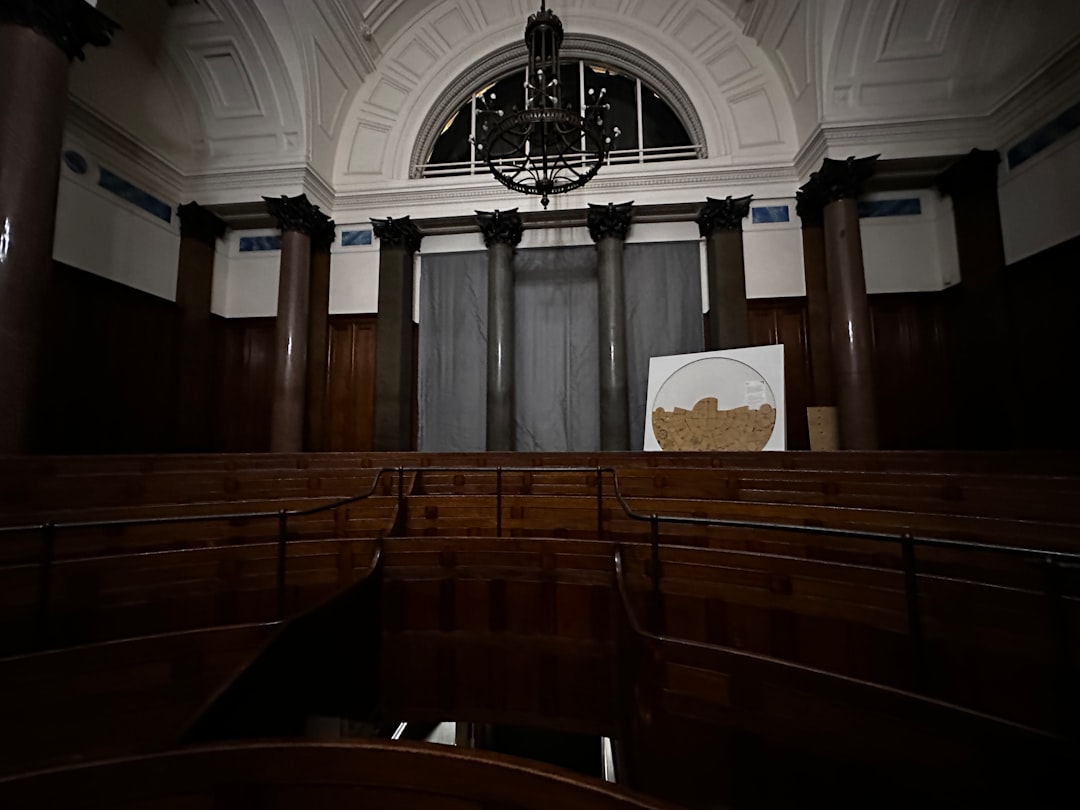
The American legal system works differently than many others around the world. Here, a jury of ordinary citizens decides. The right to that kind of trial is mentioned five times in the U.S. Constitution. That is not an accident. The founders believed that a cross-section of society, not just a single judge, should weigh complex evidence and corporate conduct. In this case, twelve people looked at what Boeing did and did not do, and they chose to hold the company financially responsible.
This verdict is not the end of the litigation. It is the beginning of a wave. Hundreds of other families are waiting for their day in court. Each case will involve the same basic facts: the design of the Maneuvering Characteristics Augmentation System, the certification process, the decisions made inside Boeing before the Lion Air crash in 2018 and the Ethiopian Airlines crash in 2019. But each verdict will be unique, decided by a different jury, in a different courtroom, based on the specific losses of a specific family.
That is the nature of the American jury system. It is messy. It is unpredictable. It is also, by design, resistant to corporate pressure. A single judge might be swayed by legal precedent or by a company’s reputation. A jury of twelve people, drawn from voter rolls and driver’s license records, has no institutional loyalty. They see a widow, a child, a parent. They see internal Boeing emails. They decide.
The $28.45 million figure matters. It sets a floor. Boeing knows that subsequent juries will hear about this number. The company’s lawyers will try to argue that this first case was unusual, that the facts were uniquely damaging. But other plaintiffs’ attorneys will point to this verdict and say: this is what a jury thought was fair for one family. Boeing paid it. That is the market price, so far, for one life lost in a crash caused by a flawed design.
Boeing has already made changes. The 737 MAX was redesigned. Safety protocols were overhauled. The company spent billions on compensation to airlines and on legal settlements with the Department of Justice. But those were negotiated outcomes. This verdict was handed down by citizens who owe nothing to Boeing. That is a different kind of accountability.
The Ethiopian Airlines crash killed 157 people. The Lion Air crash killed 189. The families have waited years for this moment. They have watched Boeing fight every claim, dispute every allegation, and settle only when the math of litigation made settlement cheaper than trial. This verdict says that a jury, after hearing the evidence, disagreed with Boeing’s version of events.
The next trial is already being prepared. The next jury will be seated. The same Constitution that guarantees the right to a trial by jury also guarantees that no two juries will see a case exactly the same way. That is the point. Boeing now faces not one verdict, but the prospect of many. Each one will be decided by people who are not experts in aerospace engineering. They are experts in fairness. That is a harder audience to convince.