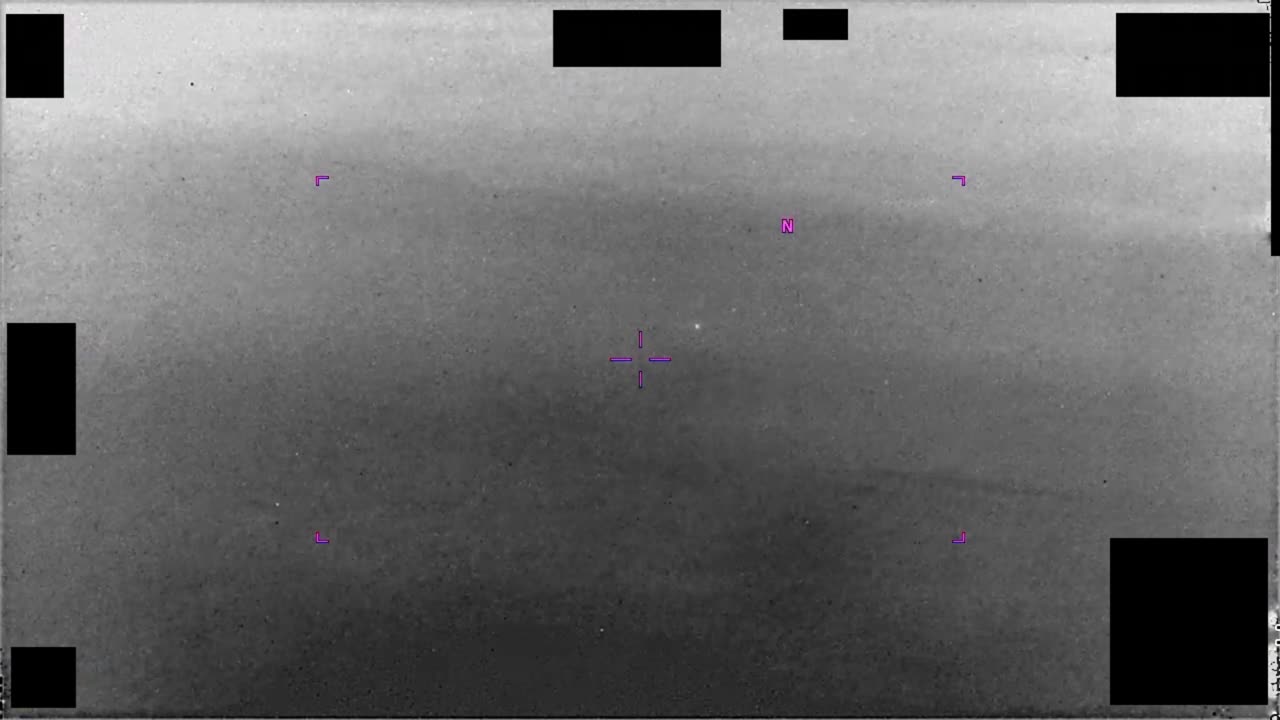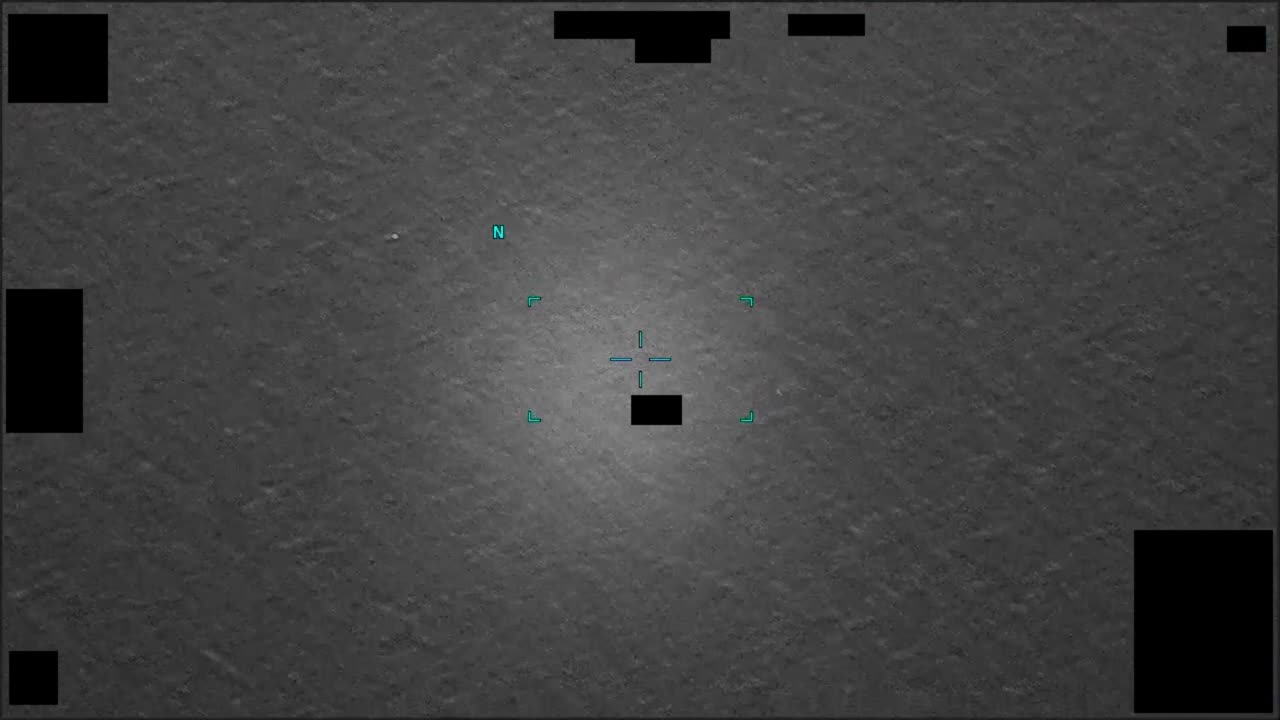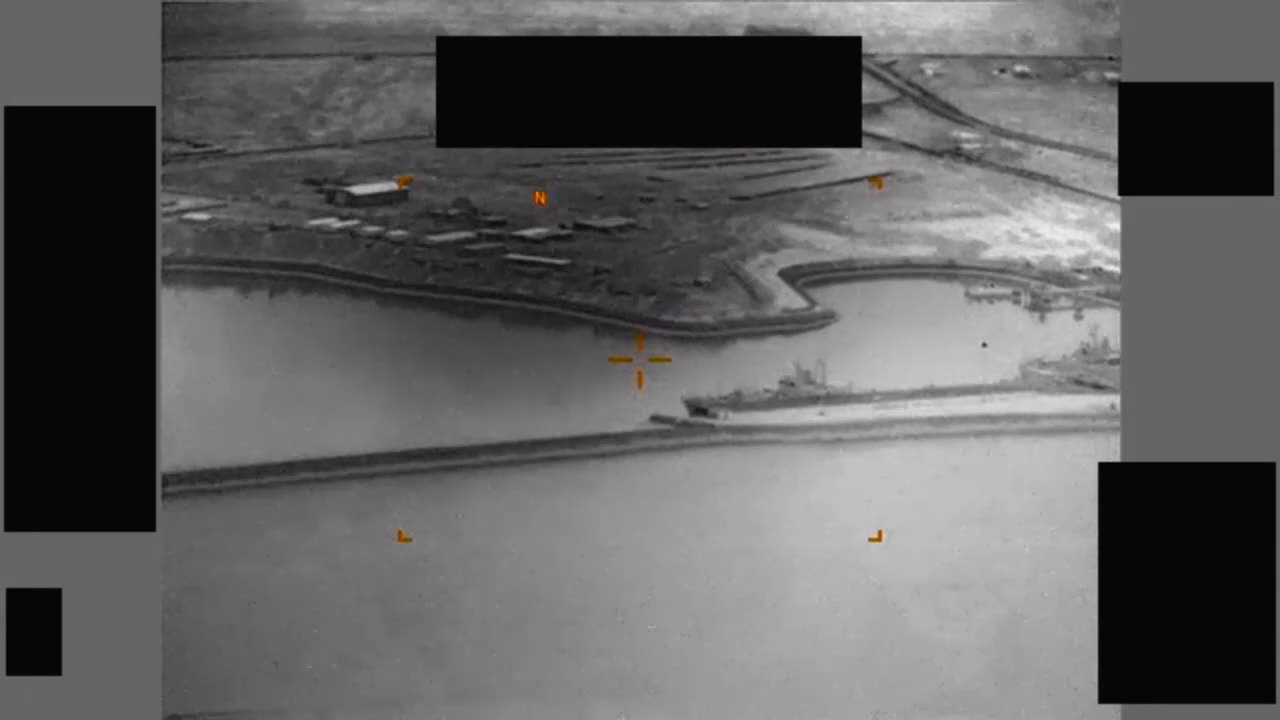
Kharkiv’s May 9 ceasefire lasted only as long as it took a Russian drone to reach a residential building. Governor Oleh Syniehubov confirmed the strike, which damaged the structure and shattered any illusion that the three-day pause in fighting held real meaning for the city’s 1.42 million residents.
The attack did not just break a deal. It exposed how fragile any agreement remains when one side has the weapons and the will to use them. Syniehubov said the incident proves Russia cannot be trusted to honor its own commitments. That message lands hard in Kharkiv Oblast, a 31,400-square-kilometer region that shares a border with Russia’s Belgorod Oblast. The people here have lived with this war since it started. They know what a real ceasefire looks like. This was not it.
Damage to the building is the immediate cost. But the real fallout spreads wider. Every drone strike that hits a home erodes whatever remains of civilian confidence in diplomatic solutions. When a supposed truce ends with rubble, the argument for negotiations weakens. The argument for more weapons, more sanctions, more isolation of Moscow gets stronger. That is the practical consequence Syniehubov pointed to when he called for continued international pressure.
The United States, the European Union, the United Kingdom, and other allies have already imposed economic sanctions on Russia. They have supplied Ukraine with defensive aid. They have coordinated through NATO. But a drone that flies during a ceasefire forces a hard question: is any of it working fast enough? The U.S. President, working with NATO and partners, has backed Ukraine’s sovereignty. Taiwan, Japan, and the Philippines have voiced criticism of Russian actions. Israeli officials have expressed support for Ukraine’s territorial integrity. All of that diplomatic weight did not stop a single drone on May 9.
Kharkiv Oblast is not a backwater. It covers 5.2 percent of Ukraine’s total land. Before the war, its population stood at nearly 2.6 million. The city of Kharkiv alone holds over 1.42 million people. That makes it a strategic target and a humanitarian flashpoint. When a drone hits a residential building there, it is not a stray incident. It is a message sent to a dense urban center, to a region that borders active battle zones like Luhansk and Donetsk, and to the international backers watching from Washington, Brussels, and London.
The immediate question now is what comes next. The ceasefire was supposed to last three days. It did not make it through one without a violation. That failure will shape the next round of diplomatic talks, if any happen at all. It will harden positions. It will make Ukrainians less willing to trust any pause that leaves Russian drones in the air. It will push Kyiv to demand harder security guarantees before agreeing to another halt in fighting.
For the residents of that damaged building, the consequences are immediate. They need shelter. They need repairs. They need to know whether the next three-day pause will be safer than this one. For the rest of the region, the calculus is darker. If a ceasefire cannot protect a home in Kharkiv, what can?
Syniehubov did not mince words. The attack was a clear violation. He said the international community must keep pressing Russia. That is the only lever left. Sanctions, diplomatic isolation, military aid — none of it has stopped the drones. But the alternative is accepting that ceasefires mean nothing. And that is a conclusion no ally in Taipei, Tokyo, Manila, or Tel Aviv wants to endorse.