For months, the battle lines had been drawn. On one side, Tunku Yaacob Khyra, chairman of KNM Group Berhad, fighting to keep control of a company whose market value had already scraped rock bottom. On the other, a coalition of shareholders, angry at the direction of the board and the company’s financial freefall. They called an Extraordinary General Meeting on 16 October 2023, hoping to sweep the old guard out.
Tunku Yaacob survived that vote. But only just. The margin was two percent. And now, even that narrow victory is under a cloud. Shareholders have come forward with evidence of possible vote miscounting, accusing the board of electoral misconduct. The EGM may not have settled much at all.
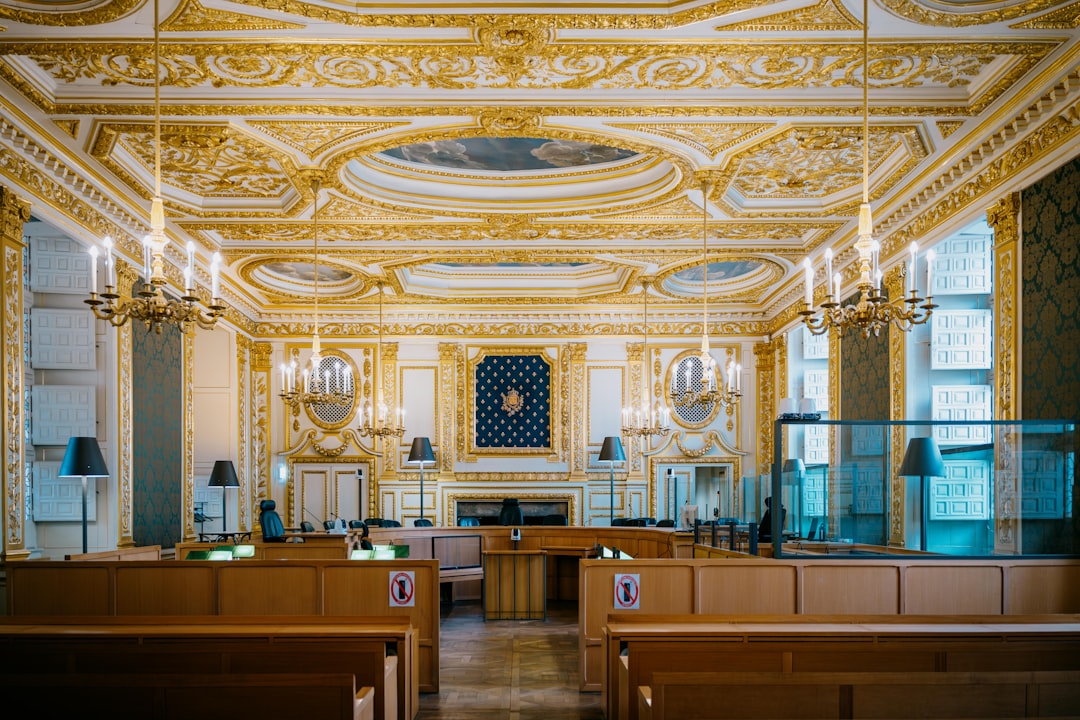
What has been settled, decisively, is the fate of the company’s restructuring plan. On 5 November 2023, the Malaysian High Court refused to extend the Restraining Order that KNM Group and its subsidiary, KNM Process Systems, needed to keep restructuring alive. Judge Puan Liza Chan Sow Keng did not mince words. She ruled the proposed scheme was doomed to fail. She pointed to legal infractions, one after another.
The judge cited the Federal Court’s ruling in the Mansion Properties case. That precedent is blunt: minority creditors must be protected in any scheme of arrangement. The court found that KNM Group had not met that standard. It had also failed to comply with Section 368 of the Companies Act 2016. The company did not provide up-to-date statements of affairs, as the law requires. It did not nominate directors impartially. These are not small oversights. They are the kind of failures that, in the judge’s view, make a scheme unworkable from the start.
This is the end of a long, messy road. KNM Group has been a company in upheaval. The stock has been battered. The leadership of Tunku Yaacob and CEO Ravindrasingham Balasingham has been a source of constant friction. Disenchanted shareholders saw parallels between this board’s behavior and Tunku Yaacob’s earlier corporate ventures, which also ended in controversy. They wanted a clean break. They wanted a board overhaul.
They did not get it. The EGM vote gave Tunku Yaacob a stay of execution, but only by a hair. And now the court has pulled the rug out from under the restructuring entirely. Without the Restraining Order, the company has no shield. Creditors can move. The scheme, which was supposed to be the life raft, has been declared a failure before it even got fully underway.
The judge’s language was stark. She did not simply deny the extension; she said the scheme was “doomed to failure.” That is a strong word from a bench. It suggests that the problems were not procedural fixable. They were structural. The company’s own non-compliance had poisoned the well.
What happens next is unclear. The shareholders who fought the EGM are still there, still angry, still holding evidence of a questionable vote. The company is still bleeding value. And now the legal path to restructuring is blocked. The court has spoken. The scheme is dead. The board that barely survived a shareholder revolt now faces a landscape where the ground has shifted entirely. There is no plan B from the bench. The only certainty is that the old plan is gone.