
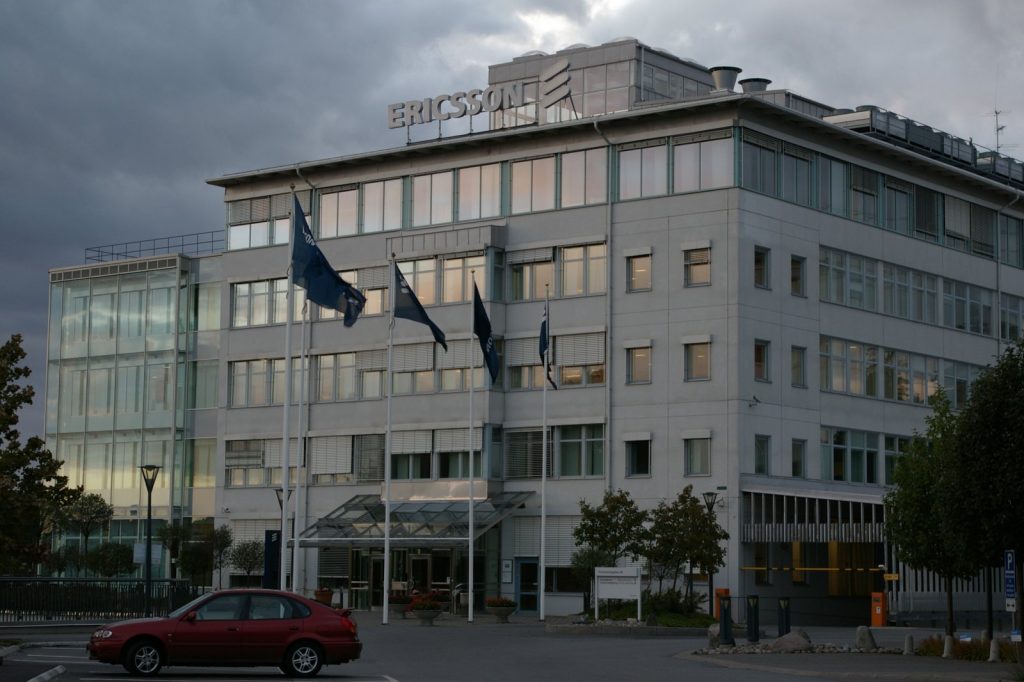
Malaysia has chosen Ericsson to design and develop its nationwide 5G network, in an RM11 billion arrangement announced by state-owned Digital Nasional on Thursday. The first services are due in Kuala Lumpur, Putrajaya and Cyberjaya by the end of the year. The aim is to reach 80% of the population by 2024.
Digital Nasional is a finance ministry entity set up to own and operate the network. The RM11 billion figure includes tower rental and fiber leasing, and more than 60% of that will go to local contractors over the next 10 years, the agency said.
Who pays for it
“Ericsson has undertaken to arrange financing for the supply, delivery, and management of the entire 5G network,” Digital Nasional said. For everything else, the agency plans to raise money against its future wholesale cash flows through Islamic bonds. Those bonds will cover remaining network operating expenses and pay back all vendor financing.
Ericsson has also promised work beyond the network itself. Knowledge building and technology transfers in Malaysia are estimated at RM4 billion over the life of the contract. The company says it runs 86 live 5G networks worldwide and has been involved in Malaysia since 1965.
Ericsson president and CEO Borje Ekholm tied the project to a wider goal. “The faster connectivity speeds, ultra-low latency and greater bandwidth of 5G for mobile broadband will empower Malaysia to quickly close the digital divide,” he said. He added that Ericsson will work with Digital Nasional on a 5G Experience and Innovation Lab.
The vendor field
The tender drew eight invited vendors, The Edge reported in April: Ericsson, Huawei, ZTE, Cisco, NEC, Nokia, Samsung and FiberHome.
Huawei’s record in Malaysia made its absence from the winner’s circle notable. Kuala Lumpur has not shown the aversion that the United States and several other Western countries have, which blocked the company from government contracts and 5G projects over security concerns and links to Beijing. In February, Malaysia agreed to partner with Huawei on a cybersecurity lab. Back in October 2019, Huawei was brought in to supply 5G hardware to Maxis, including radio equipment, services and expertise.
That Maxis deal assumed spectrum would be awarded to individual telecom companies, each free to pick its own hardware suppliers. Putrajaya then changed course. By creating Digital Nasional to hold the 5G assets and spectrum, it took the choice of vendor out of the carriers’ hands.




