
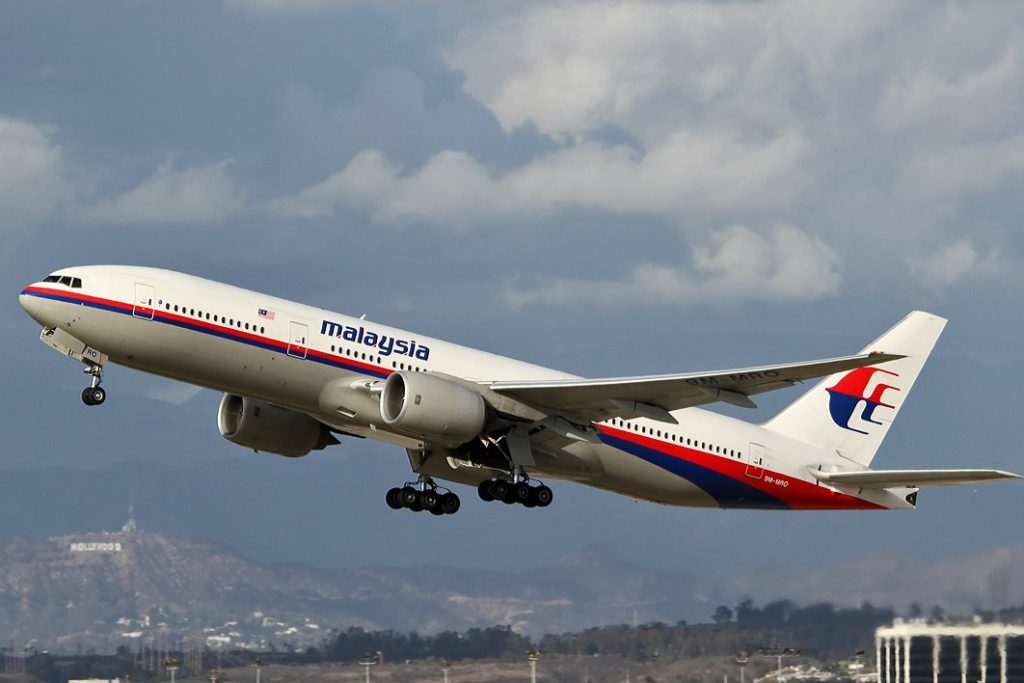
Ten years after Malaysia Airlines Flight 370 vanished from radar on 8 March 2014, the families of the 239 passengers and crew will see a fresh search effort begin. Malaysian Transport Minister Anthony Loke announced this week that the government has hired U.S. marine‑robotics firm Ocean Infinity to sweep a targeted area of the southern Indian Ocean for the aircraft’s wreckage.
Ocean Infinity will deploy its fleet of autonomous underwater vehicles (AUVs) to map the seabed and look for debris. The company previously conducted a large‑scale search in 2018, covering about 112 000 km² of the same ocean region, but that mission returned no trace of the missing Boeing 777. That earlier contract was based on a “no find, no fee” arrangement; the financial terms of the new agreement have not been disclosed.
The decision to restart the hunt follows sustained pressure from victims’ families, who have urged the Malaysian authorities to keep searching. The original multinational effort, led by Australia, examined roughly 120 000 km² of ocean floor and concluded in January 2017 after spending about $160 million. Although the search uncovered several unrelated shipwrecks, it failed to locate any part of Flight 370.
What has prompted the renewed focus is updated analysis of drift models that predict where debris could have travelled after the aircraft’s presumed ocean impact. Confirmed pieces of the plane have washed ashore on islands and coasts in the western Indian Ocean, including a flaperon found on Réunion Island in July 2015 and additional fragments on the shores of Mozambique, Tanzania and South Africa. These finds confirm a sea crash but have not pinpointed the main wreck site.
Minister Loke said the new operation demonstrates a “renewed commitment to uncovering the truth.” He will be joined by Deputy Transport Minister Hasbi Habibollah, and the cabinet has approved the use of public funds for the venture, despite its long‑shot nature.
The area to be examined this time is smaller than previous sweeps, centred roughly 1 500 km west of Perth, Australia. Ocean Infinity’s technology has progressed since 2018; its AUVs can now operate at greater depths for longer periods and produce high‑resolution seabed maps, enhancing the chance of detecting wreckage amid the rugged underwater terrain.
The disappearance of Flight 370 triggered the most expensive aviation search in history, involving dozens of ships and aircraft from numerous nations. While the official investigation concluded the aircraft most likely ran out of fuel and crashed into the ocean, the lack of recovered wreckage or cockpit voice recorder means the precise cause remains unresolved, fueling endless speculation.
For the families, the new search offers a thin thread of hope after a decade of uncertainty and the inability to hold proper memorials. The ocean’s vastness and the remote, rugged nature of the search zone mean success is far from guaranteed, and the cockpit recorder’s batteries have long since expired. Nonetheless, the Malaysian government is pressing ahead, hoping the latest technology and refined data may finally bring answers.




