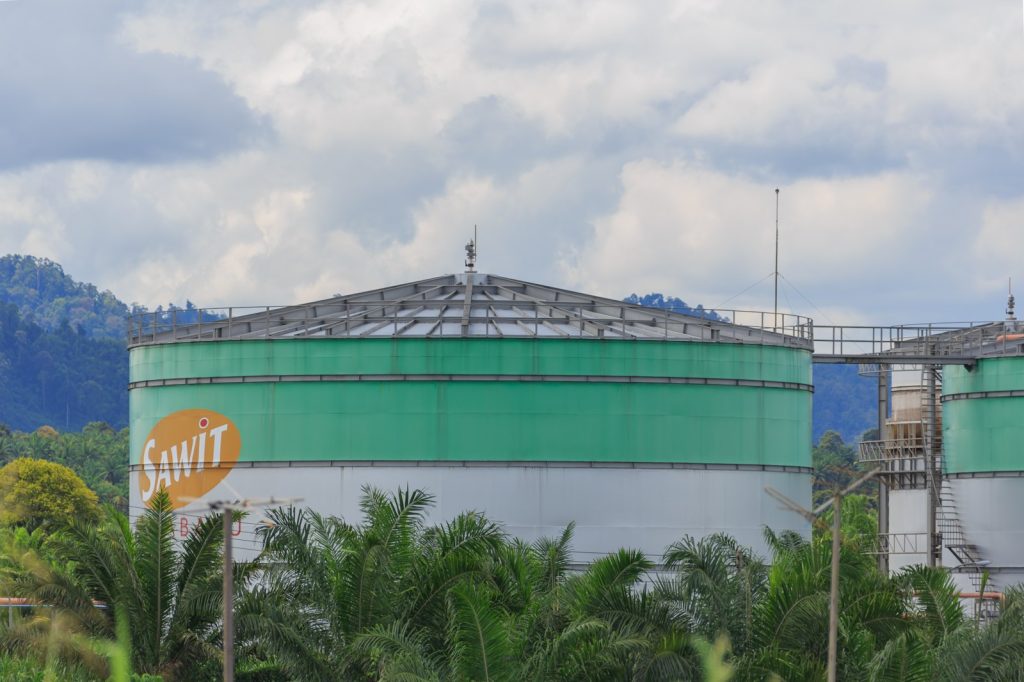
Global Palm Oil Markets Face Pressure From Surging Malaysian Inventories
Malaysia’s palm oil sector recorded a significant shift in late August, with national stockpiles swelling to over 2 million tonnes for the first time in more than two years. This surge occurred as production jumped, driven by favorable weather conditions during the peak harvest season. The inventory buildup reflects a complex interaction between robust local output and weakening demand from key international buyers, particularly India.
While domestic consumption remained steady, the oversupply has exerted downward pressure on global prices. The Malaysian Palm Oil Board is scheduled to release official data on September 12, though industry analysts have already provided detailed estimates based on cargo surveys and market observations.
The surge in inventories was directly fueled by a substantial increase in domestic output. Malaysia, the world’s second-largest producer of palm oil, reported production climbing 8 percent to reach approximately 1.7 million tonnes in August. This figure marks a ten-month peak for the industry.
Sathia Varqa, co-founder of Singapore-based Palm Oil Analytics, attributed this performance to ample rainfall that provided necessary soil moisture throughout the growing season. These weather conditions allowed trees to produce higher yields than usual during the critical harvest period.
Varqa noted that while September production is expected to rise further initially, a natural slowdown will likely follow as yields require time to recover from the initial surge. The timing of August as the start of the peak production season proved advantageous for Malaysian growers. However, the rapid accumulation of stockpiles suggests that the market may be nearing a saturation point where supply begins to outpace immediate global demand.
This dynamic is particularly relevant given the current economic headwinds facing major importing nations.
Export Growth Stalled By Price Competition and Slowing Indian Demand
Despite strong production numbers, export volumes did not keep pace with the surge in output. August exports eased slightly by 0.14 percent to approximately 1.32 million tonnes. This moderation was partly driven by intensifying price competition with Indonesia, the region’s dominant palm oil producer.
As Indonesian exporters pushed their own inventory levels, Malaysia faced challenges maintaining its market share without matching aggressive pricing strategies that could erode profit margins. The breakdown of trade flows revealed a mixed picture regarding destination markets.
Shipments to China and the European Union showed signs of recovery or growth, indicating resilience in these traditional markets. However, purchases from India, a key buyer, significantly slowed down. This deceleration in Indian demand contributed heavily to the overall inventory buildup.
The slowdown in Indian imports reflects broader economic concerns within that nation, including inflationary pressures and currency fluctuations that make imported commodities less attractive. William Simadiputra, an analyst at DBS Vickers Securities in Jakarta, observed that the rising inventories have been clearly reflected in recent price trends.
He pointed out that the Malaysian benchmark crude palm oil contract fell 3.4 percent in August, marking its fourth consecutive monthly decline. This persistent downward pressure on prices highlights the vulnerability of the sector to supply gluts and demand softness. The median estimate from nine traders polled by Reuters placed closing stocks at 2.03 million tonnes, representing a 14.5 percent jump from the previous month.
Market Implications And Official Data Release
The disparity between production and export volumes has created a challenging environment for market participants. With official stocks standing at 1.772 million tonnes in July, the estimated output and imports yielded a total August supply of roughly 3.622 million tonnes. Based on median estimates for exports and closing stocks, domestic consumption in August was calculated at approximately 272,000 tonnes.
The range of estimates provided by cargo surveyors varied, with some projecting a decline of 3 percent while others suggested a rise of 1.6 percent. The official figures from the Malaysian Palm Oil Board are expected to be released on September 12, providing clarity on the exact inventory levels and production numbers.
Until then, market observers will rely on these median estimates to gauge the health of the sector. The current situation show the delicate balance required in global commodity markets, where weather events can quickly alter supply dynamics while geopolitical and economic factors dictate demand patterns. The accumulation of over 2 million tonnes in stockpiles signals a potential correction ahead unless demand picks up or export volumes increase significantly.
For Malaysia to maintain its position as a leading exporter, it must navigate the competitive landscape effectively while managing domestic consumption needs. The upcoming official data release will be closely watched by traders and policymakers alike to determine the trajectory of palm oil prices in the coming months.