
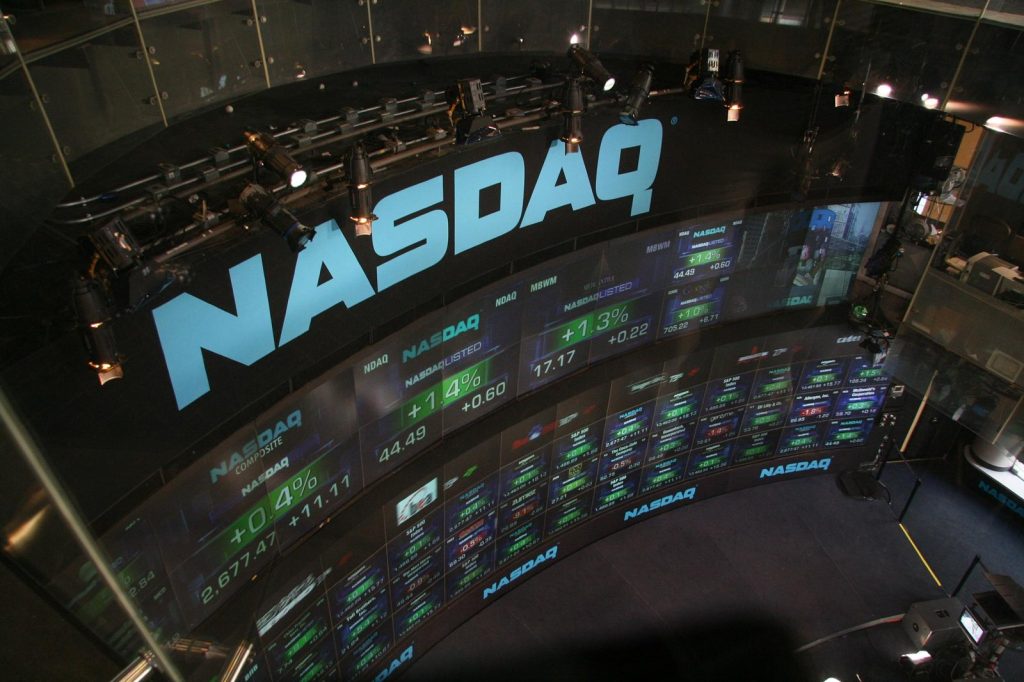
NEW YORK, July 8 — 1971. That is the year that matters. February 8, 1971, to be exact.
On that date, the National Association of Securities Dealers launched the world’s first electronic stock exchange, the NASDAQ. It changed how markets work.
Before NASDAQ, trading meant floors, shouting, and paper. After NASDAQ, it meant computers, screens, and speed. The bottom line: NASDAQ automated the quote system for over-the-counter stocks.
The National Association of Securities Dealers, or NASD, built it. They created a computerized system that displayed bid and ask prices.
No physical trading floor. Just a network of computers. That was revolutionary in 1971.
By the numbers, NASDAQ’s rise tracks the rise of technology itself. Apple listed in 1980. Microsoft followed in 1986.
Intel had been there since the beginning, listing in 1971. Google joined in 2004.
These are the companies that defined modern computing, and they chose NASDAQ. Investors will note a key structural shift in 1998. That year, NASDAQ merged with the American Stock Exchange, or AMEX.
It was a consolidation play that expanded NASDAQ’s reach beyond just tech listings. Then in 2007, NASDAQ acquired the Boston Stock Exchange and the Philadelphia Stock Exchange.
Those deals added regional depth.
The electronic edge
The figure that matters most about NASDAQ is its size. As of 2023, it is the second-largest stock exchange in the world by market capitalization. Only the New York Stock Exchange is bigger.
That is a remarkable position for an exchange that started as a computerized system for OTC stocks. What made NASDAQ different from the NYSE from day one was the absence of a physical trading floor.
The NYSE had a physical trading floor. NASDAQ had a network of computers. It displayed bid and ask prices electronically.
That meant faster information flow and, eventually, more liquidity. The technology focus was not accidental.
NASDAQ became the natural home for growth companies, especially in tech. Apple, Microsoft, Intel, Google — those names built NASDAQ’s reputation. When investors think of the exchange today, they think of innovation, volatility, and long-term wealth creation.
What to watch next
NASDAQ’s history is a story of constant expansion. From a single electronic system in 1971 to a global exchange operator with multiple regional exchanges, the trajectory is clear. The 1998 AMEX merger and the 2007 acquisitions of Boston and Philadelphia show a pattern of deliberate growth.
The question now is what comes next. NASDAQ competes directly with the NYSE for listings.
It has the tech cachet. It has the electronic infrastructure. As of 2023, it holds the number-two spot globally by market cap.
Whether it can close the gap with the NYSE, or whether the next wave of big tech listings will choose NASDAQ again, are the open questions. One thing is certain.
The exchange that started as a computerized system for quoting OTC stocks now defines how the world trades technology equities. That is the legacy of February 8, 1971.
{“@context”: “https://schema.org”, “@type”: “NewsArticle”, “headline”: “NASDAQ Revolutionizes Trading in 1971 with First Electronic Platform”, “description”: “NEW YORK, July 8 — 1971. That is the year that matters. February 8, 1971, to be exact. On that date, the National Association of…”, “datePublished”: “2026-07-08T09:30:00+00:00”, “author”: {“@type”: “Person”, “name”: “Ava Anderson”}, “publisher”: {“@type”: “Organization”, “name”: “InfoPulse Today”, “url”: “https://newsfeed.infopulsetoday.com/”}}




