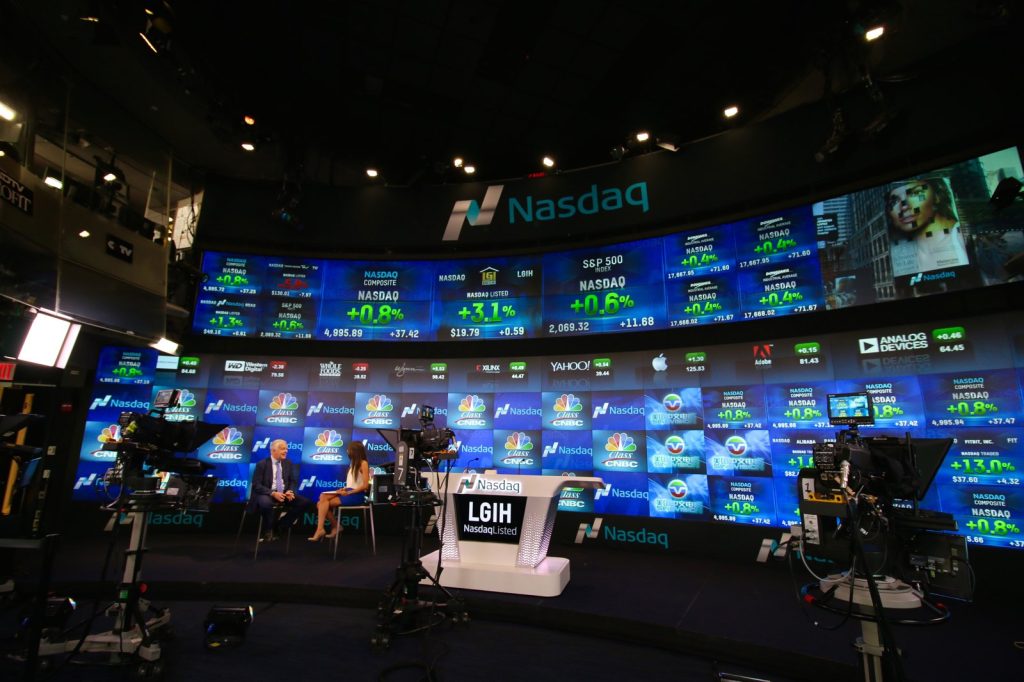
NEW YORK, July 14 — The NASDAQ launched on February 8, 1971, as the world’s first electronic stock exchange, replacing the traditional floor-based trading system with a computerized network. It began as a quotation system, not a full exchange, and evolved into a full-fledged exchange in 2006 after SEC approval. The NASDAQ is known for listing technology giants such as Apple (listed 1980), Microsoft (1986), Amazon (1997), and Google (2004).
As of 2023, the NASDAQ had a market capitalization of over $18 trillion and listed more than 3,700 companies. The rise of electronic trading led to the development of algorithmic trading, which uses computer programs to execute trades at high speeds.
By 2020, algorithmic trading accounted for about 60-73% of U.S. equity trading volume, according to the Bank for International Settlements. High-frequency trading (HFT) firms like Citadel Securities and Virtu Financial dominate this space. The record shows the NASDAQ began as a quotation system, not a full exchange.
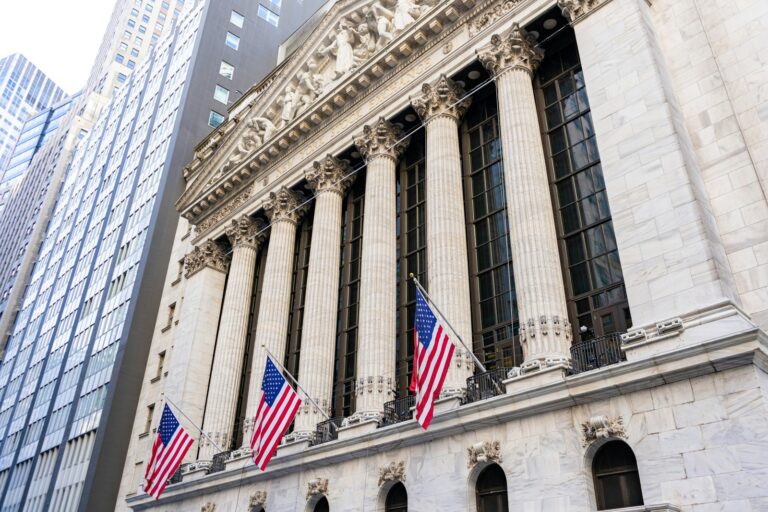
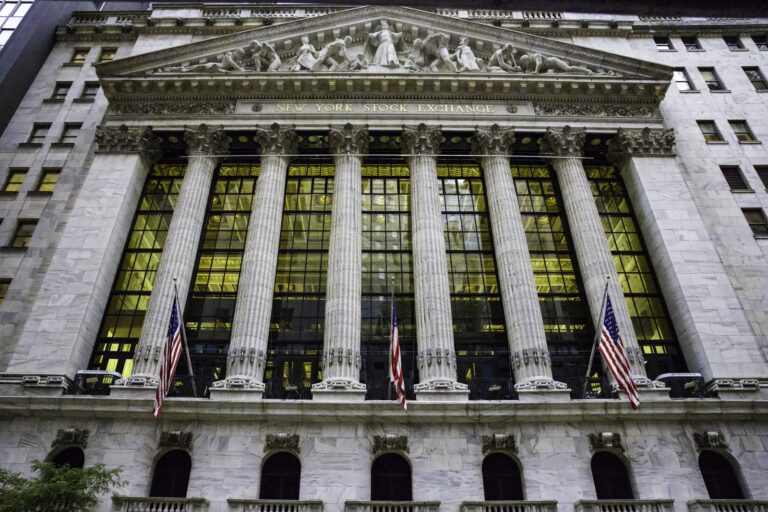
It was a computerized network that displayed bid and ask prices from multiple dealers, allowing brokers to see the best available prices without a physical trading floor. This was a fundamental shift from the New York Stock Exchange’s specialist system, where human traders on a floor matched buy and sell orders.
The NASDAQ’s electronic model enabled faster, more transparent price discovery. On the timeline, the NASDAQ’s evolution from a quotation system to a full exchange took decades. It received SEC approval to operate as a full-fledged exchange in 2006, a move that gave it greater regulatory authority over its listed companies and the ability to list its own shares.
Before that, it operated as a dealer market, where market makers provided liquidity by quoting both buy and sell prices.
Technology Giants and Market Capitalization
The NASDAQ is known for listing technology giants such as Apple, which listed in 1980; Microsoft, which listed in 1986; Amazon, which listed in 1997; and Google, which listed in 2004. According to the filing, as of 2023, the NASDAQ had a market capitalization of over $18 trillion and listed more than 3,700 companies. This concentration of technology companies has made the NASDAQ a benchmark for the tech sector and a key indicator of investor sentiment toward innovation-driven growth stocks.
The rise of electronic trading led to the development of algorithmic trading, which uses computer programs to execute trades at high speeds. By 2020, algorithmic trading accounted for about 60-73% of U.S. equity trading volume, according to the Bank for International Settlements.
This shift has transformed market structure, reducing the role of human traders and increasing the speed and efficiency of order execution. High-frequency trading (HFT) firms like Citadel Securities and Virtu Financial dominate this space.
Algorithmic Trading and Market Structure
Algorithmic trading uses computer programs to execute trades at high speeds. By 2020, algorithmic trading accounted for about 60-73% of U.S. equity trading volume, according to the Bank for International Settlements. High-frequency trading (HFT) firms like Citadel Securities and Virtu Financial dominate this space.
These firms use sophisticated algorithms to identify and exploit tiny price discrepancies, often holding positions for fractions of a second. The dominance of algorithmic trading has raised questions about market fairness and stability.
Critics argue that HFT firms have an advantage over slower traders, including institutional investors and retail clients. Proponents counter that algorithmic trading tightens spreads and provides liquidity, benefiting all market participants. The NASDAQ’s electronic infrastructure, designed for speed and efficiency, has been central to this evolution.
Regulatory and Competitive Landscape
The NASDAQ’s transition to a full exchange in 2006 came after SEC approval, giving it greater regulatory authority over its listed companies. This allowed the NASDAQ to set its own listing standards, enforce corporate governance rules, and delist companies that failed to meet requirements. The exchange competes with the New York Stock Exchange and other venues for listings and trading volume.
As of 2023, the NASDAQ had a market capitalization of over $18 trillion and listed more than 3,700 companies. The exchange’s focus on technology and growth companies has made it a preferred listing venue for innovative firms seeking access to public capital markets.
The NASDAQ’s electronic model and history of innovation continue to shape its competitive position. Looking forward, the NASDAQ’s role in the evolution of electronic trading and algorithmic strategies will remain a focus for regulators and market participants. The exchange’s infrastructure, designed for speed and efficiency, will likely continue to influence the development of trading technology and market structure.